
Seifertia shangrilaensis
Seifertia shangrilaensis
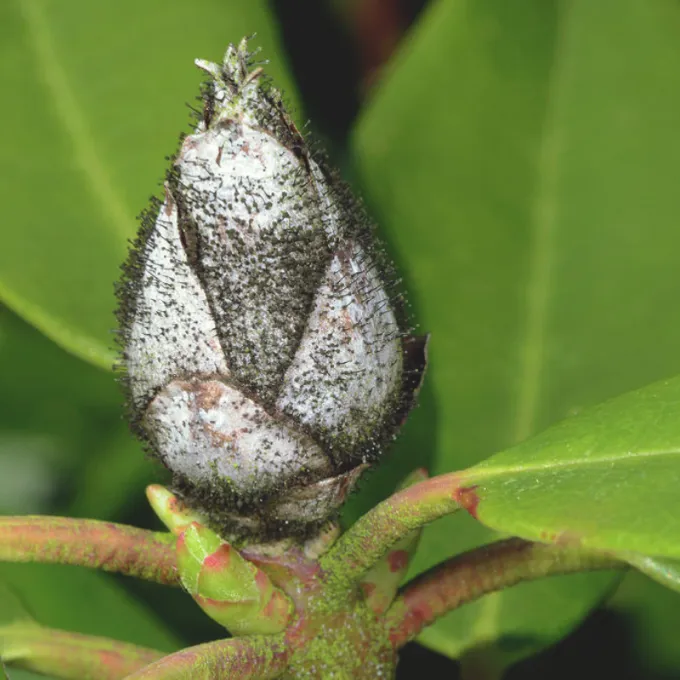
Description
Symptoms
The primary symptom of Seifertia shangrilaensis infection is the appearance of distinct lesions on the leaves. These spots often begin as small yellow or light brown patches that gradually darken over time.
A notable characteristic is the dark, often narrow margin surrounding the necrotic spots, which helps distinguish the infected tissue from the surrounding healthy green leaf area.
Under conditions of high humidity, the centers of these spots may develop small black fruiting bodies, which represent the fungal sporulation stage. This is a critical diagnostic indicator.
As the disease progresses, infected leaves may undergo chlorosis, become brittle, and eventually drop prematurely. This leads to sparse foliage and can significantly reduce the ornamental value of the plant.
The infection usually starts in the lower parts of the canopy where air circulation is limited. Over time, it spreads upward, potentially affecting the entire plant if left unmanaged.
Pathogen
The causal agent is the Ascomycete fungus Seifertia shangrilaensis. It is recognized as a specialized pathogen that primarily targets ornamental plant species within the Ericaceae family.
The fungus overwinters in plant debris, specifically in fallen leaves and decaying twigs. When conditions become favorable in the spring, it begins its new cycle of infection.
Transmission of the pathogen occurs primarily through conidia. These spores are spread by water splashes from rain or overhead irrigation, as well as by wind currents carrying contaminated droplets.
Infection occurs when spores land on susceptible leaf surfaces and enter through stomata or small wounds in the epidermis. Once inside, the fungus colonizes the leaf tissue, causing localized cell death.
The fungus is well-adapted to the environments typically provided in nurseries and shaded gardens, making it a persistent issue if sanitation protocols are not strictly followed.
Conditions for development
The development of the fungus is heavily dependent on moisture and temperature. It thrives in moderate temperatures, typically ranging from 18 to 24 degrees Celsius.
High relative humidity and extended periods of leaf wetness are essential for spore germination and successful colonization of the host tissue.
Planting density plays a significant role in disease spread. Crowded planting layouts impede airflow, creating microclimates with higher moisture retention that favor fungal development.
Plants located in deep shade with limited exposure to direct sunlight are more prone to infection, as these areas remain moist for longer periods during the day.
Poor agricultural practices, such as overhead irrigation that wets the foliage, significantly increase the risk of an outbreak by facilitating the transport of fungal spores across the foliage.
Why it matters
The main impact of Seifertia shangrilaensis is the reduction of the functional leaf area. This limits the plant's ability to perform photosynthesis, leading to reduced overall vigor and growth.
Severe infections result in premature defoliation, which weakens the plant significantly. This makes the host more susceptible to secondary stressors, including cold damage during winter months.
For nursery production, the disease causes significant economic losses by rendering plants unmarketable due to unsightly spotting and overall poor condition of the foliage.
Chronic infection can stunt the growth of young shrubs and prevent the formation of flower buds, resulting in poor or non-existent flowering in the following seasons.
The necessity for frequent fungicide applications and labor-intensive pruning adds to the maintenance costs for professional gardeners and commercial growers.
Protection
Effective management begins with rigorous sanitation. Removing and destroying all fallen leaves and infected plant parts in the autumn is crucial to reduce the primary inoculum load.
Pruning out symptomatic branches is essential. It is vital to disinfect pruning tools after every cut to prevent the inadvertent transmission of spores between infected and healthy plants.
Chemical control involves the application of fungicides, particularly those containing copper or triazoles, which are effective in inhibiting fungal growth when applied preventatively or early in the infection stage.
Improving air circulation by maintaining proper spacing between plants is a key preventive measure. This helps dry the foliage more quickly, disrupting the pathogen's ability to germinate.
- Switching from overhead irrigation to drip irrigation to keep foliage dry.
- Applying balanced fertilization to support plant immunity and stress tolerance.
- Regular monitoring of foliage to detect and isolate symptomatic plants early.
- Implementing quarantine procedures for all new plant material entering the collection.
Discussion
No discussions yet — be the first.