
Scytinostroma
Scytinostroma
Description
Symptoms
The primary signs of infection manifest as progressive rot that involves both the roots and the lower part of the tree trunk. The wood loses its strength and changes color significantly.
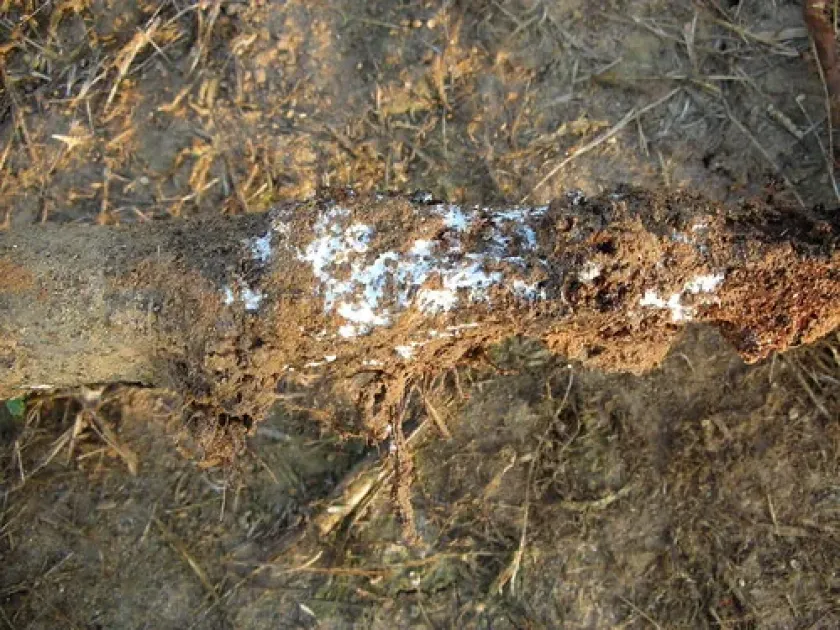
Upon inspection of trunks or large roots, characteristic whitish mycelial mats can be observed clinging tightly to the bark. This is a clear indicator of active infection development.
Trees affected by Scytinostroma begin to show signs of general decline: premature yellowing of foliage, dieback of individual branches, and reduced annual growth rates.
In advanced cases, bark peeling is observed, and fungal fruit bodies appear in cracks. The affected wood becomes brittle, emits a specific fungal odor, and eventually disintegrates.
In conifers, the disease often manifests as root rot, making trees susceptible to windthrow. The falling of such trees in forest stands is a typical result of long-term pathogen development.
Pathogen
The disease is caused by fungi belonging to the genus Scytinostroma (e.g., Scytinostroma galactinum). This pathogen belongs to the group of wood-decaying fungi that affect both deciduous and coniferous tree species.
The fungus leads a parasitic and saprotrophic lifestyle, entering plant tissues through mechanical bark damage or the root system. It actively degrades wood structure by consuming its components.
The fungal mycelium spreads within the woody tissues, causing profound structural changes. This results in the gradual death of living cells and the weakening of the entire tree organism.
On the surface of affected areas, specific fruit bodies form as effused, leathery, or membranous structures. They can range in color from white to cream, eventually darkening over time.
The biology of the pathogen allows it to survive in dead wood for long periods, making it a dangerous source of infection for young plantations in forests and orchards.
Conditions for development
Fungal development is promoted by high air and soil humidity, as well as waterlogging in the root zone. Excessive moisture is a key factor for spore germination and mycelium formation.
The pathogen spreads actively in high-density stands where ventilation is restricted. Poor air circulation creates a favorable microclimate for the multiplication of fungal spores.
Temperatures ranging from +15 to +25 degrees Celsius are optimal for the development of Scytinostroma. At these levels, the metabolic activity of the fungus is most intense.
The presence of fresh wounds on trunks or roots, caused by pests, frost cracks, or mechanical injury, significantly facilitates the penetration of the infection.
Weakened trees, suffering from nutrient deficiencies or environmental stress, are the first to be affected by Scytinostroma.
Why it matters
The main danger lies in the irreversible destruction of wood, which reduces the commercial value of timber and shortens the lifespan of plants in gardens or forests.
Infection of the root system leads to tree death, as the plant can no longer absorb water and minerals from the soil. This leaves the tree vulnerable to secondary pathogens.
The fungus poses a safety risk in parks and urban areas, as affected trees become brittle and can fall suddenly, threatening infrastructure and human safety.
The infection can spread from one tree to another through contact between root systems, leading to the formation of infection centers that affect whole groups of trees.
Economic losses are associated with the necessity of felling damaged trees, costs for site clearing, and loss of production in the case of orchard infestations.
Protection
The primary method of prevention is maintaining high agricultural standards: timely pruning, treating wounds with grafting wax, and ensuring proper watering without over-saturating the soil.
Sanitary felling of infected trees followed by stump removal is a necessary measure to prevent the spread of spores within the plantation.
The use of preventative fungicides can help protect healthy trees located near infection sites. Treatments should be applied during periods of highest risk.
- Regular monitoring of stands for early detection of symptoms.
- Removal of dead or diseased branches during the autumn.
- Improving soil aeration to reduce humidity levels.
- Disinfecting gardening tools after working with infected trees.
Adhering to planting guidelines and selecting tree varieties resistant to fungal diseases significantly reduces the risk of Scytinostroma presence.
Discussion
No discussions yet — be the first.