
Scutellinia trechispora
Scutellinia trechispora
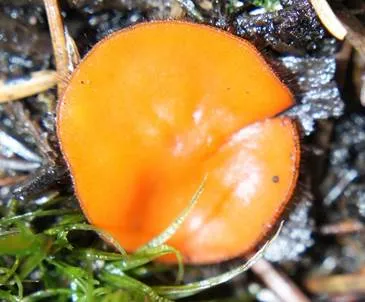
Description
Pathogen
Scutellinia trechispora is a species of cup fungus in the Pyronemataceae family. While primarily a saprotroph, it is frequently encountered in greenhouse settings where organic matter is abundant.
The fungus produces distinctively bright red apothecia (fruiting bodies) adorned with marginal hairs, which are essential for its taxonomic identification.
It reproduces via ascospores, which have a characteristic spiny or reticulate surface, allowing them to anchor effectively in soil particles and organic debris.
The mycelium colonizes the top layer of moist, nutrient-rich substrates, playing a role in the decomposition of cellulose and lignin-containing plant materials.
While not a primary pathogen of healthy plants, its presence indicates specific environmental conditions that may be detrimental to sensitive crops.
Conditions for development
The development of this fungus is strictly dependent on high humidity levels and the availability of suitable organic substrates in the soil or potting mix.
Greenhouses with poor drainage, low light intensity, and stagnant air provide the ideal microclimate for the mass formation of fungal fruiting bodies.
Temperatures ranging from 15°C to 22°C are optimal for the rapid colonization and subsequent growth of Scutellinia species on moist surfaces.
The presence of woody debris or uncomposted organic matter in the substrate significantly increases the likelihood of a population outbreak.
Neutral to slightly acidic soil conditions are preferred by the fungus, often corresponding with soil environments where traditional vegetable crops thrive.
Why it matters
Scutellinia trechispora is primarily an indicator of poor soil management, specifically regarding aeration and moisture control in greenhouses.
Its massive growth can create a physical barrier at the soil surface, hindering proper aeration for seedling roots and leading to oxygen deficiency.
The damp environment required for its survival promotes the growth of secondary pathogens, such as damping-off fungi, which are harmful to agricultural crops.
The competition for space and nutrients at the soil surface may stress younger, more sensitive plants, potentially stunting their early growth phases.
In commercial agriculture, the presence of these fungi is treated as a warning sign to adjust irrigation protocols to avoid root zone rot and other moisture-related problems.
Protection
Management of Scutellinia trechispora focuses on improving cultural practices, specifically enhancing drainage and irrigation precision.
Regular soil cultivation or surface scratching helps to disrupt the fungal mycelial network and promotes faster drying of the substrate surface.
Strict sanitation protocols, including the removal of decaying organic material from greenhouses, are essential to limit the fungus's food source.
Biological control agents, such as Trichoderma species, have been shown to be effective in suppressing the growth of various soil-dwelling cup fungi.
- Improve greenhouse ventilation and air circulation.
- Maintain proper soil drainage to avoid water stagnation.
- Regularly remove organic litter from the greenhouse floor.
- Monitor soil moisture levels to ensure they match plant needs.
Discussion
No discussions yet — be the first.