
Scolecobasidium humicola
Scolecobasidium humicola
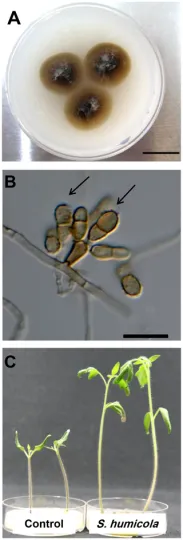
Description
Pathogen
Scolecobasidium humicola is a soil-dwelling fungus classified among the Deuteromycetes. It is primarily known as a saprotrophic organism that thrives in various soil types, contributing to the decomposition of organic matter.
Under specific environmental stressors or favorable growth conditions, this fungus acts as an opportunistic pathogen. It has the ability to transition from a saprophyte to a parasite, attacking the root systems of various plant species.
The fungus is characterized by the production of septate mycelium and resilient conidia. These spores are highly resistant to environmental stressors, allowing the fungus to persist in soil for extended periods even in the absence of a host plant.
In agricultural settings, Scolecobasidium humicola is frequently identified as a factor in root decay and damping-off complexes. Its ability to thrive in the rhizosphere often leads to competitive exclusion of beneficial soil microbes.
The biological lifecycle of the pathogen is closely tied to the availability of organic carbon. Its enzymatic capacity allows it to utilize complex plant remains, facilitating its dominance in the soil microflora under certain conditions.
Conditions for development
The development of Scolecobasidium humicola is heavily dependent on soil moisture levels. High-moisture environments, especially those characterized by poor aeration and waterlogging, provide ideal conditions for the fungus to spread.
Moderate temperatures, typical of greenhouse environments, significantly enhance the metabolic rate and sporulation of the fungus. While it can survive at lower temperatures, its pathogenic activity peaks in warm, humid conditions.
Soil pH plays a critical role in the pathogen's virulence. It generally favors neutral to slightly acidic environments, where the growth of its mycelium is not restricted by competition from other beneficial bacteria.
Environmental stressors such as temperature fluctuations and compaction can weaken plant root systems. Once a plant is under physiological stress, it becomes significantly more vulnerable to colonization by this opportunistic fungus.
Inadequate sanitation practices, such as reusing contaminated soil or failing to disinfect greenhouse tools, serve as the primary pathways for the pathogen to enter and spread throughout a production area.
Why it matters
The primary damage caused by Scolecobasidium humicola involves the necrosis of root tissues. As the fungus colonizes the root system, it impairs the plant's ability to absorb water and essential nutrients, leading to stunted growth.
Early-stage infection often results in the wilting and eventual death of seedlings. This is particularly problematic in nursery environments, where the entire batch of young plants can be compromised in a short period.
Metabolic products released by the fungus during its colonization of tissues can be toxic to young roots. This leads to the inhibition of root hair development and a subsequent reduction in the overall vitality of the plant.
Infected crops often exhibit signs of systemic stress, including chlorosis and a lack of vigor. This reduces the aesthetic value of ornamental plants and the yield potential of vegetable and fruit crops.
If left unmanaged, the pathogen population in the soil increases significantly. This creates a persistent disease pressure, making it difficult to achieve successful cultivation without substantial soil treatment interventions.
Protection
Effective management begins with soil sterilization techniques, such as steam treatment or solarization, to reduce the initial fungal load before planting. This is essential for protecting young, vulnerable crops.
Maintaining optimal soil structure and drainage is crucial to prevent the waterlogged conditions that favor fungal growth. Incorporating coarse materials can improve aeration and reduce pathogen activity.
Biological control agents, particularly those containing Trichoderma species, can be highly effective in suppressing Scolecobasidium humicola. These beneficial fungi compete with the pathogen for resources and space in the rhizosphere.
Strict hygiene protocols, including the thorough cleaning of trays, containers, and tools, are necessary to prevent the accidental reintroduction of the fungus into clean growing areas.
- Steam or solar soil sterilization
- Use of Trichoderma-based biofungicides
- Improving drainage to avoid waterlogging
- Strict sanitation and quarantine measures
Discussion
No discussions yet — be the first.