
Scolecobasidium spot
Scolecobasidium
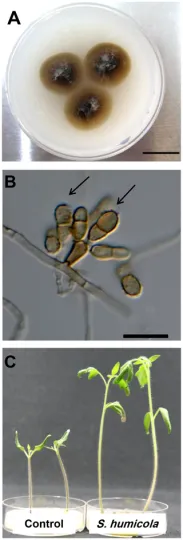
Description
Symptoms
The symptoms of Scolecobasidium spot typically manifest as localized lesions on leaves. Initially, these appear as small, slightly sunken specks that eventually expand into larger, irregular or circular spots.
The color of these spots often ranges from olive-green to dark brown or grey as the tissue dies. A darker necrotic border is frequently visible around the margins of the spots, reflecting the plant's defense response.
Under conditions of high humidity, a fine, powdery layer of fungal spores may become visible on the surface of the lesions. Severe infections lead to extensive chlorosis, causing leaves to yellow and drop prematurely.
Stems and branches may also develop ulcers or necrotic cankers. These lesions can disrupt vascular transport, potentially causing wilting or the dieback of entire plant branches if the stem is girdled.
On fruits or flowers, the disease can cause rot, significantly reducing the aesthetic and commercial value of the crop. Infected tissues eventually soften and become vulnerable to secondary bacterial or fungal colonization.
Pathogen
The disease is caused by fungi of the genus Scolecobasidium, which are members of the Teratosphaeriaceae family. These microscopic fungi are characterized by the production of septate hyphae and dark, multicellular conidia.
The pathogen is highly resilient and capable of surviving in the soil or on plant debris for extended periods in the form of chlamydospores. Its ability to thrive on various substrates makes it a versatile threat to both agricultural and ornamental plants.
The transmission of spores typically occurs through wind currents, water splashing during rain, or the use of contaminated horticultural tools. In some instances, seed transmission may also serve as a pathway for the disease to spread.
The fungus utilizes enzymatic processes to degrade plant cell walls, leading to necrotic spots. During the off-season, the pathogen persists as a saprotroph on dead organic matter before infecting new plant growth in the following season.
Ongoing research into Scolecobasidium species highlights their complex biological nature. While primarily known as plant pathogens, some species are recognized for their potential to act as opportunistic pathogens in other living organisms, necessitating careful handling.
Conditions for development
The development of the disease is heavily dependent on high moisture levels, specifically relative humidity exceeding 75 percent. Prolonged periods of rainfall or heavy dew provide the necessary surface moisture for spore germination.
The optimal temperature range for mycelial growth and sporulation is between 18 and 26 degrees Celsius. Fluctuations in temperature combined with high humidity often trigger rapid disease progression in the field.
Dense planting patterns that limit air circulation create stagnant microclimates, which are highly conducive to the spread of Scolecobasidium. Poor light penetration further stresses the plants and increases their susceptibility.
Over-fertilization with nitrogenous compounds creates succulent plant tissues that are more easily penetrated by the fungus. Improper irrigation methods, especially those that wet the foliage, can significantly exacerbate an existing infection.
Crop debris left on the field serves as the primary reservoir for the pathogen. Overwintering in soil or on fallen leaves allows the fungus to re-emerge as a threat as soon as favorable conditions return in the spring.
Why it matters
The primary economic impact of Scolecobasidium spot is the loss of yield due to reduced photosynthetic capacity. Extensive leaf damage decreases the plant's ability to produce energy, ultimately resulting in smaller or poorly developed harvests.
In ornamental nurseries, the disease significantly lowers the quality of the plants, leading to high rejection rates. Deformed leaves and necrotic stems are unacceptable for commercial sale.
Chronic infection weakens the overall health of perennial crops, making them more vulnerable to frost injury and secondary pest infestations. This cumulative stress can lead to the decline of plantations over several years.
Post-harvest rot caused by the pathogen significantly reduces the shelf life of fruits and vegetables. This leads to increased losses during storage and transportation, impacting supply chain stability.
Farmers often incur increased costs associated with repeated fungicide applications and intensive orchard management to keep the disease under control, which inflates the overall cost of production.
Protection
Effective management begins with strict crop rotation and the complete removal of all post-harvest residues. By eliminating potential overwintering sites, the initial inoculum load is significantly reduced.
Choosing resistant varieties and maintaining optimal plant spacing are crucial for preventing the rapid spread of the disease. Proper pruning and spacing ensure adequate airflow, which keeps foliage dry and discourages fungal growth.
When environmental conditions favor the pathogen, the application of contact or systemic fungicides is recommended. Rotating active ingredients is necessary to prevent the development of resistant fungal populations.
Balanced nutritional management, focusing on phosphorus and potassium, strengthens plant tissues against infection. Avoiding excessive nitrogen during the peak growing season helps maintain the integrity of plant cell walls.
Regular monitoring of plant health and rapid sanitation of infected plant parts are vital. Cleaning tools with sanitizing agents after pruning helps prevent the mechanical transfer of spores between different parts of the field.
Discussion
No discussions yet — be the first.