
Scleroderma
Scleroderma
Description
Symptoms
The initial symptom is often a general lack of vigor in the plant, characterized by stunted growth and a noticeable loss of foliage color.
Examination of the roots often reveals significant browning and decay, as the fungus damages the fine root hairs responsible for nutrient uptake.
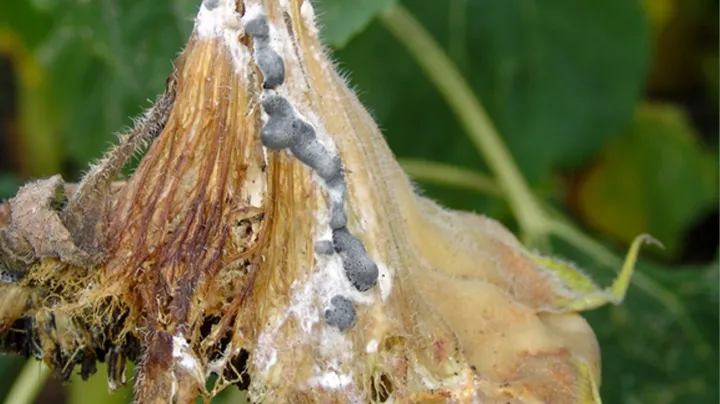
The most distinctive diagnostic feature is the sudden appearance of spherical, firm fruiting bodies directly under or near the canopy of the affected tree.
Needles or leaves may show progressive yellowing (chlorosis) that starts from the base of the plant and moves upwards, reflecting systemic distress.
In advanced cases, the bark at the root collar may show localized necrosis, leading to girdling and subsequent death of the young plant.
Pathogen
Scleroderma is a genus of fungi commonly known as earthballs, which, in a nursery or forest setting, can act as opportunistic pathogens that compromise the health of young seedlings.
The pathogen primarily attacks the root system, infiltrating the rhizospheric zone and disrupting the plant's ability to absorb essential water and nutrients.
These fungi form distinct, truffle-like fruiting bodies that emerge from the soil, producing vast quantities of spores that easily disperse through soil water and physical contact.
Unlike obligate parasites, Scleroderma fungi are often found in symbiotic associations, but they exhibit pathogenic behavior when the host plant is stressed or weakened.
The persistence of the fungus in the soil makes it a challenging threat, as it can remain viable for several seasons, waiting for favorable environmental cues.
Conditions for development
High moisture levels in the soil, combined with poor drainage, create the perfect breeding ground for Scleroderma spores to germinate.
Dense planting configurations limit airflow and sunlight penetration, promoting an environment that supports fungal proliferation at the soil level.
The presence of decomposing organic matter or old root remnants in the substrate serves as a primary energy source for the fungal mycelium.
Soil temperatures ranging between 18°C and 25°C are highly conducive to the rapid growth and development of the fungal colonies.
Improper pH balance in the growing media can stress young plants and inadvertently favor the survival and spread of the Scleroderma pathogen.
Why it matters
The primary economic impact is the loss of seedling inventory in nurseries, leading to significant financial losses for commercial growers.
Plants that survive a sub-lethal infection remain stunted and often fail to thrive when transplanted into permanent landscape or forest locations.
By weakening the root structure, the disease renders plants highly susceptible to other secondary infections and environmental stressors like drought.
The persistence of the fungus in the soil prevents the immediate reuse of infected beds, necessitating long fallow periods or intensive soil sterilization.
Widespread infection disrupts forestry management plans and necessitates expensive replanting efforts to maintain the desired stand density.
Protection
Effective management begins with rigorous quality control of the substrate and the use of certified pathogen-free seedlings in all planting operations.
Implementing a proper irrigation schedule that allows the soil surface to dry between waterings is essential to reduce fungal pressure.
Sanitation is critical; all fruiting bodies should be carefully removed and disposed of away from the planting site to prevent further spore dispersal.
Fungicides specifically targeted at soil-borne pathogens can be applied in high-risk areas to suppress mycelial growth during peak infection times.
The application of biological control agents, such as beneficial Trichoderma species, helps colonize the root zone and outcompete the Scleroderma fungus.
Discussion
No discussions yet — be the first.