
Schizothyriosis
Schizothyriaceae
Description
Symptoms
The primary symptom of schizothyriosis is the formation of distinct, small spots on the leaf surface. These spots are typically dark in color and may have irregular or well-defined borders depending on the specific plant species affected.
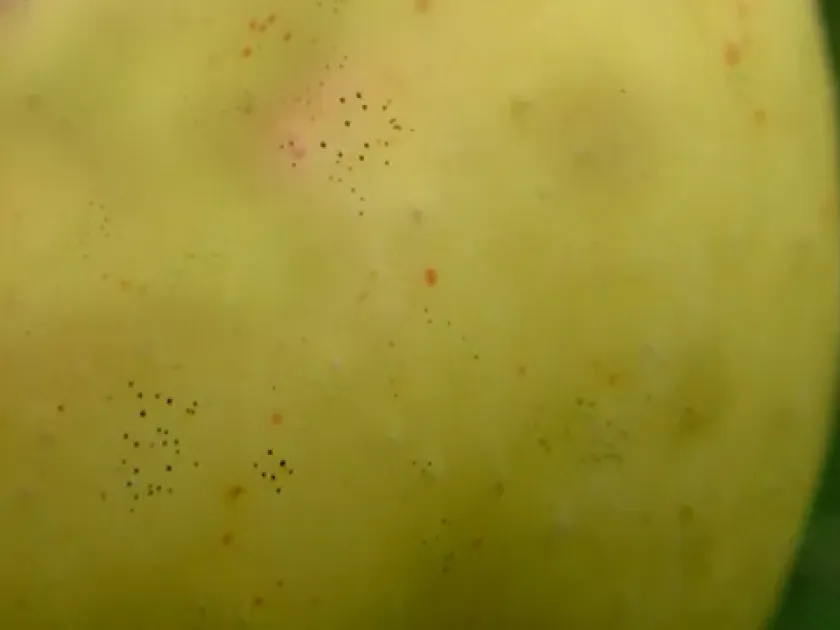
A hallmark sign of this disease is the presence of tiny, pin-point black fruiting bodies visible within the spots. These structures often look like small, flat discs or plaques, which help differentiate this disease from common bacterial leaf blights.
As the infection progresses, the tissues surrounding the spots may show signs of chlorosis or yellowing. This indicates a disruption in the plant's metabolic activity, specifically interfering with the efficiency of the photosynthetic apparatus.
In cases of severe infestation, the leaves may wither prematurely and drop from the plant. While localized spots might not always kill the leaf instantly, the cumulative effect of thousands of such spots drastically reduces the plant's green surface area.
Early diagnosis is possible by examining both the upper and lower surfaces of leaves using a magnifying lens. The presence of these specific fungal structures is the most reliable visual confirmation of the disease.
Pathogen
Schizothyriosis is a fungal disease caused by pathogens belonging to the Schizothyriaceae family. These microscopic fungi are part of the order Capnodiales and are known for their unique development of fruiting bodies, which appear as dark, superficial structures.
The pathogen primarily infects the aerial parts of plants, such as leaves and stems. It gains entry into the plant tissue through natural openings like stomata, eventually colonizing the epidermal layer of the host plant.
The life cycle involves the production of spores that are easily disseminated by wind, splashing water, or insects. These spores are capable of initiating new infections whenever the environmental conditions are suitable for fungal growth.
Taxonomically, this family includes various species that are often host-specific. Their biology is adapted to surviving on organic debris, allowing them to bridge the gap between growing seasons within the soil or on decaying leaves.
Ongoing research continues to refine the classification of this pathogen group. Agronomists focus on its role as a parasite that exploits the superficial surfaces of leaves, impacting the overall vitality of the plant.
Conditions for development
The development of schizothyriosis is highly dependent on humidity. High levels of atmospheric moisture, such as those caused by prolonged rainfall, frequent dew, or dense fog, provide the ideal environment for spore germination.
Poor ventilation within a canopy or between rows significantly increases the risk of infection. Stagnant air pockets prevent leaves from drying out quickly after rain, maintaining the high humidity levels that fungi require to spread.
Moderate temperatures during the growing season promote the rapid replication of the fungus. When coupled with high moisture, the pathogen can complete its cycle and release new spores, leading to secondary infection waves throughout the summer.
Infected plant debris serves as a critical inoculum source. The fungus survives the winter on fallen leaves, ensuring that as soon as environmental conditions improve in the spring, the disease can re-emerge on new foliage.
Plant vigor also plays a role in disease susceptibility. Plants stressed by improper nutrient levels or poor light exposure are often more prone to penetration by the fungal hyphae compared to healthy, well-maintained specimens.
Why it matters
The primary harm caused by schizothyriosis is the reduction in photosynthetic capacity. By damaging the epidermis, the fungus limits the amount of light energy the plant can convert into energy, leading to overall stunted growth and reduced biomass.
The physiological stress induced by the disease often leads to weakened plants that are less capable of accumulating reserves for the winter. This can result in increased susceptibility to frost damage and winter kill in perennial crops.
In fruit-bearing plants, the aesthetic and commercial value can be negatively impacted. Fruits may exhibit defects or reduced size, and the overall plant health can lead to diminished yield in subsequent seasons.
Chronic infestation weakens the plant's immune response, making it more vulnerable to secondary invaders, including other fungi and insect pests that thrive on stressed tissues.
The economic burden extends beyond yield loss; it includes the labor and costs associated with managing the disease, applying fungicides, and cleaning up affected orchard or garden areas to prevent recurrence.
Protection
Sanitation is the cornerstone of managing schizothyriosis. Collecting and removing all fallen leaves during the autumn is crucial, as this practice physically removes the primary overwintering sites of the pathogen.
Maintaining proper plant spacing and conducting regular pruning are effective cultural controls. These practices ensure adequate air circulation throughout the foliage, preventing the humidity buildup necessary for the disease to thrive.
In high-risk areas, the application of appropriate fungicides can provide a protective barrier against new infections. Timing these applications to coincide with wet periods or the primary infection phase is essential for success.
Promoting general plant health through balanced mineral nutrition—specifically ensuring sufficient potassium and phosphorus—can help the plant build stronger cell walls and better defense mechanisms.
- Regular monitoring for early symptom detection.
- Pruning to remove heavily infected twigs or branches.
- Sterilizing pruning tools between plants to prevent spreading spores.
- Selecting resistant varieties where available.
Discussion
No discussions yet — be the first.