
Saprolegniasis
Saprolegnia parasitica
Description
Symptoms
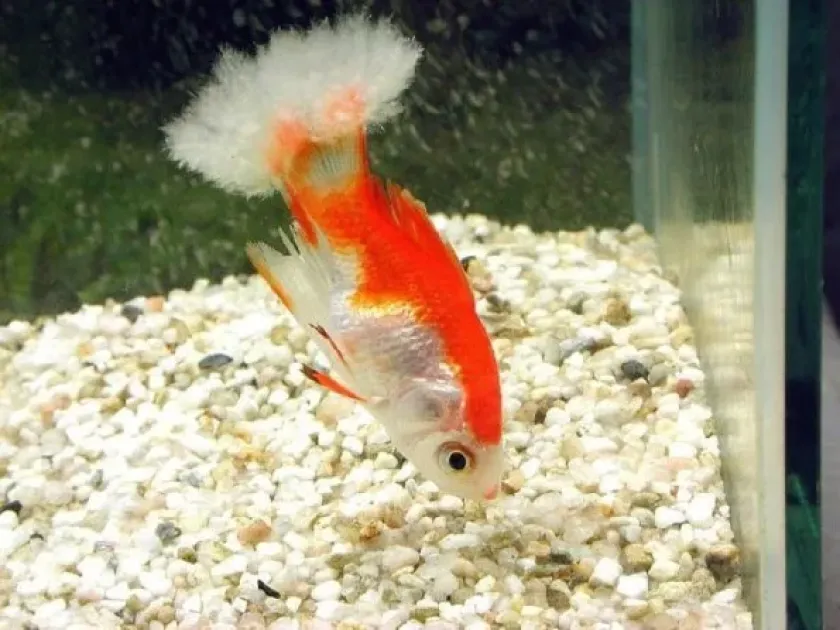
The primary clinical sign is the appearance of white, cotton-like growths on the skin, fins, gills, or eyes of the fish, which become very distinct when the fish is lifted from the water.
As the infection progresses, the mycelium invades deeper into the dermis and muscle tissue, causing necrosis and often leading to the erosion of fins and scales.
In fish eggs, the infection appears as fluffy white clumps that spread rapidly between eggs, often resulting in complete mortality of the egg batch if left unchecked.
Behavioral changes are common, including lethargy, loss of appetite, and attempts by fish to scrape themselves against tank walls or substrate to relieve the infection.
Gills affected by the disease show significant mucus production and structural deterioration, which restricts gas exchange and can quickly lead to respiratory failure.
Pathogen
Saprolegniasis is caused by oomycetes belonging to the genus Saprolegnia, with Saprolegnia parasitica being the most common pathogenic species for fish.
While often called a fungus, it is technically an oomycete, or water mold, characterized by non-septate hyphae that allow for rapid growth across surfaces.
The life cycle involves motile zoospores that swim through water, using flagella to locate and attach to potential hosts, particularly those with compromised health.
Once attached, the pathogen develops a dense mycelium network that penetrates the host tissue, eventually leading to structural damage and severe physiological stress.
These organisms reproduce both sexually and asexually, producing large numbers of spores that remain viable in the environment for extended periods, waiting for optimal conditions.
Conditions for development
Outbreaks are frequently triggered by environmental stressors, including sudden water temperature fluctuations, poor water quality, and overcrowding in aquaculture facilities.
Physical injuries, such as cuts or abrasions from handling or transport, act as major entry points for the pathogen to colonize the host's body.
Saprolegnia thrives in cool water environments, making it a seasonal problem in many regions, although it can persist year-round if the water remains untreated.
High levels of organic matter, such as uneaten food or debris on the bottom of tanks, provide an ideal substrate for the mold to grow and multiply before infecting fish.
Reduced levels of dissolved oxygen and fluctuations in ammonia or nitrate concentrations significantly weaken the fish's natural immune response, making them highly susceptible.
Why it matters
Saprolegniasis is a major economic threat to the aquaculture industry due to its potential to cause massive mortality rates, especially in hatchery operations.
The disease causes significant damage to skin and fins, which not only lowers the market value of the fish but also leaves them prone to secondary bacterial infections.
Egg losses due to this pathogen can cripple production cycles, necessitating intensive cleaning and chemical interventions to prevent the total loss of a broodstock generation.
Treatment and containment efforts, including disinfection and quarantine, impose high operational costs and labor requirements on fish farmers during an outbreak.
Persistent infections lead to reduced growth performance, as the energy required for healing and immune response diverts resources away from overall weight gain.
Protection
Preventive strategies focus on strict hygiene protocols, including regular cleaning of tanks and systems to remove organic waste and prevent mold proliferation.
Minimizing fish handling stress and preventing physical injury during sorting or transportation are vital steps in reducing the risk of Saprolegnia colonization.
Chemical control methods, such as salt baths or specific antifungal agents approved for aquaculture, are commonly used to treat infected populations and eggs.
Prompt removal of dead eggs and diseased fish is essential to lower the spore count in the environment and break the cycle of infection within the facility.
Maintaining optimal water quality and stable environmental conditions helps keep the fish's natural defenses strong enough to resist fungal colonization.
Discussion
No discussions yet — be the first.