
Saprolegniasis
Saprolegnia diclina
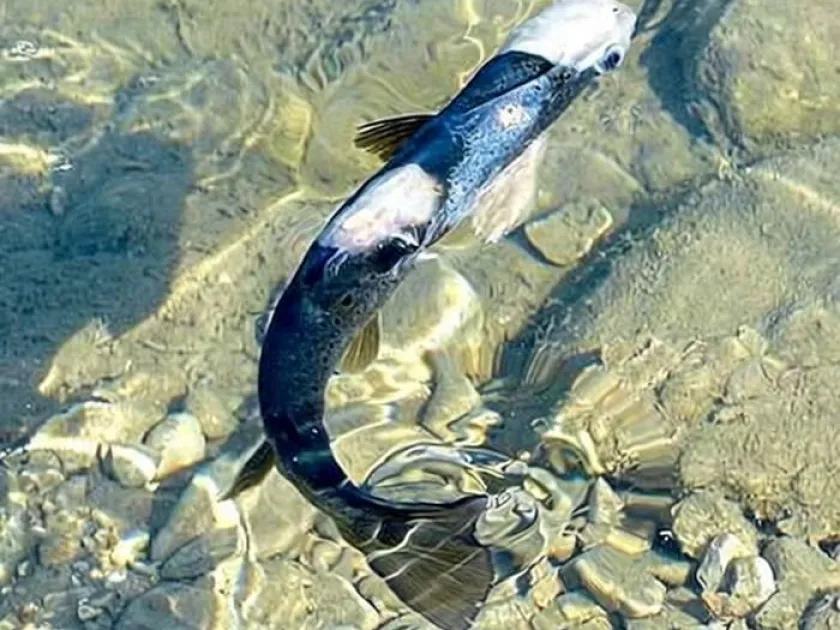
Description
Symptoms
The first visible sign of infection is the appearance of whitish, fluffy growths on the surface of seeds or roots, resembling cotton wool. In the early stages, this growth may be almost invisible, but as it develops, it becomes denser and darker.
Plant tissues under the layer of growth begin to soften and undergo rot. Affected areas often acquire a slimy consistency and a specific unpleasant odor, indicating secondary bacterial infection.
When seeds are infected during germination, a sharp decrease in germination rate is observed. Seedlings cannot penetrate the substrate, becoming covered with white mycelium, which is often mistakenly taken for common mold due to poor storage conditions.
In field conditions, symptoms manifest as stunted plant growth, yellowing leaves, and gradual wilting. When affected by Saprolegnia, the root system loses its ability to absorb water and nutrients, becoming brown and friable.
In late stages, the disease leads to the complete destruction of the root collar, causing the plant to be easily pulled from the soil. The presence of visible mycelial growth in the root zone is a diagnostic sign requiring immediate phytosanitary intervention.
Pathogen
Saprolegniasis is a dangerous infectious disease caused by oomycetes of the genus Saprolegnia, specifically the species Saprolegnia diclina. Although this pathogen is more commonly associated with aquaculture, it is a typical facultative parasite that affects plant tissues and seeds under conditions of high humidity.
Biologically, this organism belongs to the water molds (oomycetes). It reproduces by forming motile zoospores that move in an aquatic environment in search of a substrate. The pathogen can survive for long periods in soil and water in the form of resting spores, making it extremely resistant to adverse environmental factors.
The infectious process begins upon contact of zoospores with damaged areas of plant tissues. Once inside, the mycelium of the oomycete begins to branch actively, absorbing nutrients from the plant cells. This leads to the rapid destruction of cell walls and tissue death.
A distinguishing feature of the pathogen is its ability to form an abundant white or grayish cotton-like growth on the surface of the affected object. This growth consists of a dense network of aseptate hyphae, which is a characteristic morphological feature of oomycetes.
Dissemination of the pathogen occurs primarily through irrigation water, contaminated tools, or soil substrate. The immense growth rate of the mycelium allows saprolegniasis to take over large areas of plantings in a short period of time.
Conditions for development
The primary factor promoting the development of saprolegniasis is excessive waterlogging of soil or substrate. Lack of proper drainage creates an ideal environment for the activity and reproduction of oomycete zoospores.
The disease is most active at low to moderate water and soil temperatures, which distinguishes it from many other fungal infections. The temperature optimum for the pathogen usually lies between 10 and 20 degrees Celsius.
Dense plantings and lack of aeration create a microclimate with high humidity, which contributes to the rapid spread of spores from plant to plant. Dense spacing hinders moisture evaporation and soil warming by the sun.
Using water from open stagnant ponds for irrigation significantly increases the risk of contaminating the site. Such bodies of water are often natural reservoirs of the pathogen, accumulating a significant amount of inoculum.
The presence of mechanical damage to roots or seeds leaves plants defenseless against an attack by Saprolegnia diclina. Any damage, whether from insect activity or careless transplanting, serves as an "entry gate" for infection.
Why it matters
The main damage consists of mass mortality of seedlings, which leads to a critical decrease in stand density. In greenhouse production, this can mean the total loss of a seedling batch within a few days.
Infection of mature plants leads to a significant reduction in yield and a decrease in fruit quality. Even if the plant survives, it remains weakened, making it susceptible to other diseases and pests.
Saprolegniasis can destroy seed stocks if storage conditions are not followed. High humidity in storage facilities turns the seed bank into a favorable environment for pathogen development, rendering the material unfit for planting.
Contaminated soil areas become a source of infection for a long period. Re-planting crops in such areas without prior disinfection guarantees a recurrence of the disease outbreak.
Economic losses consist of costs for purchasing new seeds, labor for replanting, expenses for fungicide treatment, and lost profits. Fighting advanced saprolegniasis is always more expensive than preventive measures.
Protection
A fundamental protection measure is maintaining a proper irrigation regime and ensuring high-quality drainage. Water should not be allowed to stagnate in trays or garden beds, as damp conditions are the pathogen's main ally.
For seed disinfection before sowing, it is recommended to use specialized fungicide seed treatments. This creates a protective barrier that prevents the mycelium from penetrating the embryo tissues during the initial stage of development.
It is important to regularly disinfect agricultural tools, including trays, pots, and pruning equipment. The use of chlorine-based or specialized disinfectant solutions helps eliminate pathogen spores.
If the first signs of the disease are detected, affected plants must be immediately removed and disposed of by burning. This will prevent the spread of infection to healthy specimens within the vicinity.
- Optimizing lighting and ventilation in greenhouses.
- Using only verified and disinfected soil mixtures.
- Applying biological agents based on Trichoderma to suppress pathogen activity.
- Practicing crop rotation and maintaining spacing between plants.
- Monitoring the cleanliness of water used for drip or hand irrigation.
Discussion
No discussions yet — be the first.