
Rutstroemia
Rutstroemia
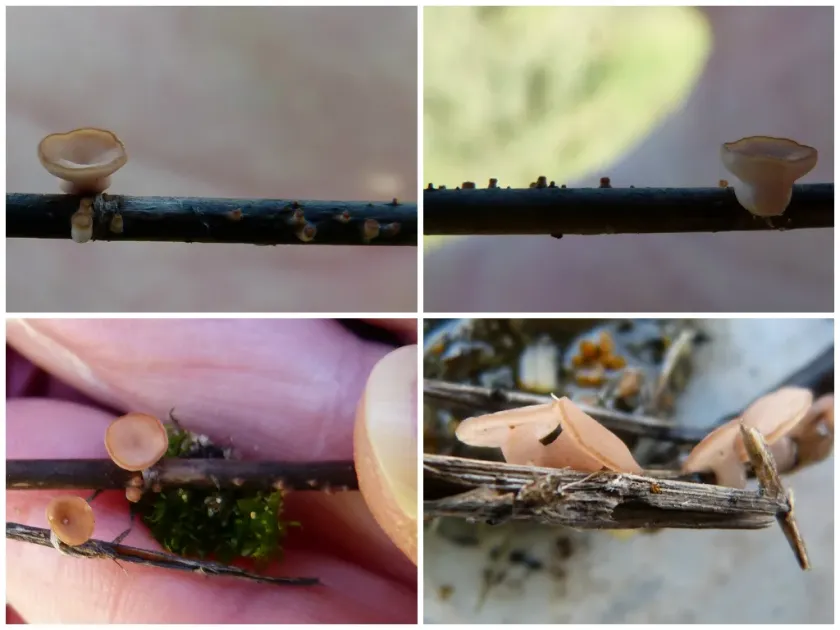
Description
Symptoms
The primary symptom of infection is local tissue necrosis, which eventually turns brown or gray, becoming soft, water-soaked, and potentially mushy.
Under high humidity conditions, a white or cream-colored mycelial mat may become visible on the surface of affected stems, leaves, or fruits.
In the final stages of the disease, small, stalked, cup-shaped apothecia form on the dead tissue, serving as a distinct diagnostic feature of the fungus.
Root or crown rot caused by this pathogen often leads to overall stunted plant growth, yellowing of the foliage, and the gradual wilting of the aerial parts.
Cross-sections of affected tissues often reveal internal discoloration and decay, a direct consequence of the enzymatic activity of the fungal mycelium.
Pathogen
Rutstroemia is a genus of ascomycete fungi belonging to the Rutstroemiaceae family. While many species are saprotrophs, some can act as pathogens affecting various plant tissues.
The life cycle of the pathogen is closely tied to the presence of plant debris in the soil, where the fungus can persist for long periods as mycelium or specialized survival structures.
Reproduction occurs through the formation of apothecia — cup-shaped fruiting bodies containing spores that are disseminated by wind currents or water splashes.
These fungi specialize in decomposing lignin and cellulose, which means the primary impact is often felt by weakened plant parts or tissues in direct contact with moist substrate.
In a phytopathological context, Rutstroemia often acts as a secondary agent, exacerbating existing infections or colonizing tissues damaged by other factors or mechanical stress.
Conditions for development
Rutstroemia development is heavily influenced by environmental moisture: prolonged rain, high soil moisture, and poor aeration provide optimal conditions for spore germination.
The optimal temperature range for mycelial growth typically falls between +15 and +22 degrees Celsius, making the disease most prominent during spring and autumn.
Dense planting patterns, lack of proper ventilation, and excessive nitrogen fertilization contribute to a microclimate favorable for rapid disease spread.
The presence of un-decomposed plant residues from previous seasons acts as a primary source of inoculum, ensuring the fungus can overwinter in the field.
Injuries caused by cultural practices, pests, or weather events create entry points for fungal spores, significantly accelerating the infection of otherwise healthy plants.
Why it matters
Rutstroemia can cause significant damage to agricultural and ornamental crops, leading to yield reductions and loss of aesthetic value.
Large-scale infections lead to premature leaf drop, fruit rot, and the death of young seedlings, resulting in direct economic losses for the producer.
In nursery settings, the fungus can destroy young plant populations by causing seedling blight and rot of the root systems at early stages of development.
Fungal damage weakens the plant, making it highly susceptible to secondary pathogens, including bacterial rots, which further complicates the disease management.
The economic impact is also linked to reduced product quality, shorter shelf life, and total loss of marketability for harvested fruits or crops.
Protection
The foundation of management is strict adherence to cultural practices, including thorough incorporation of crop residues and diligent weed control.
Avoiding waterlogged soil is crucial; maintaining good drainage in susceptible areas and regulating plant spacing help mitigate the risk of infection.
Crop rotation is an essential strategy, as it disrupts the pathogen's life cycle and helps reduce the overall spore load in the soil over time.
Prophylactic treatment of seeds or nursery stock, combined with targeted fungicide applications during high-risk periods, can effectively suppress infection centers.
- Timely removal and destruction of infected plant debris from the site.
- Use of mulching materials to prevent fruit contact with moist soil.
- Regular field monitoring for early symptoms during high-risk weather.
- Applying balanced fertilization to boost plant immunity and vigor.
Discussion
No discussions yet — be the first.