
Sardonyx brittlegill
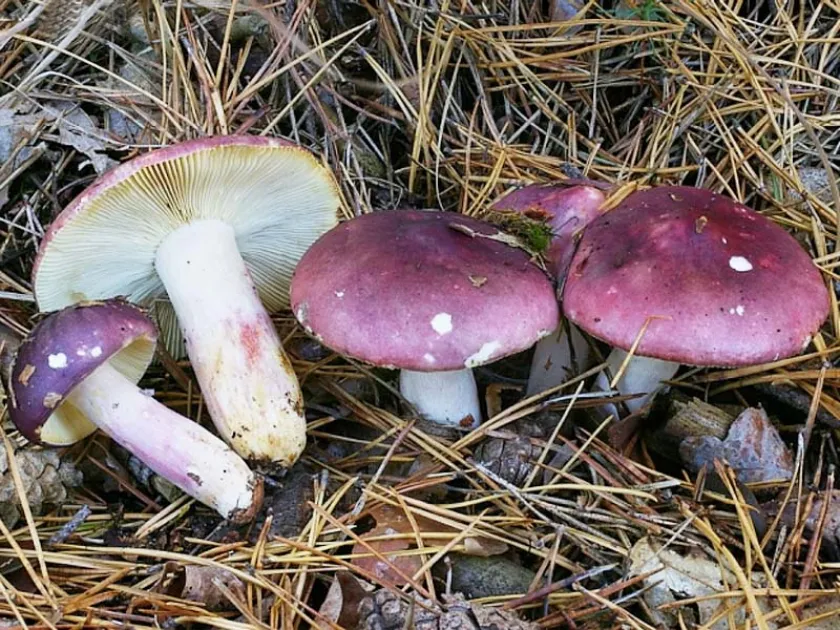
Russula sardonia
Description
Pathogen
It is important to clarify that Russula sardonia, commonly known as the sardonyx brittlegill, is not a plant pathogen or a disease of crops. It is a wild mushroom species belonging to the Russulaceae family.
In the field of agronomy and plant pathology, this organism is completely harmless to agricultural and horticultural plants. It does not infect, rot, or damage plant tissues in any capacity.
The fungus exists primarily as a mycorrhizal partner for various conifers, particularly pines. Its relationship with trees is symbiotic and mutually beneficial rather than parasitic.
There are no symptoms of disease associated with this fungus. Any claim suggesting that it causes crop damage is factually incorrect and misinterprets the natural ecological cycle of forest fungi.
Consequently, there is no need for any disease control measures, fungicides, or agricultural practices to prevent its presence, as it does not pose a threat to plant health.
Conditions for development
The sardonyx brittlegill thrives in coniferous forests, where the acidic soil conditions are ideal for its mycelial growth and symbiosis with host trees.
Development of the fruiting bodies typically occurs in late summer and autumn. High levels of soil moisture and cool temperatures are required for the fungus to reproduce.
This fungus is restricted to woodland environments and is rarely found in open agricultural areas or managed fields due to the lack of its specific coniferous host trees and required soil chemistry.
The dispersion of spores is facilitated by wind and local environmental factors within forest ecosystems, ensuring the survival of the species across mature woodlands.
Long-term survival of the mycelium is maintained through the stable exchange of nutrients with forest trees, making it a sustainable and permanent component of healthy forest ecosystems.
Discussion
No discussions yet — be the first.