
Russula laeta
Russula laeta
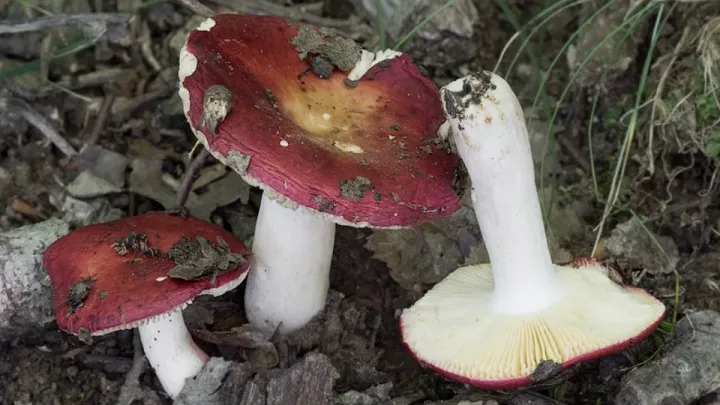
Description
Pathogen
Russula laeta is a species of basidiomycete fungus within the Russulaceae family, known for its distinct visual characteristics in wild habitats.
It is important to note that this organism is not a plant pathogen and does not cause diseases in agricultural or garden crops.
The fungus functions as a decomposer or a mycorrhizal partner, contributing to the health of forest ecosystems rather than damaging plants.
Biological studies of Russula laeta focus on its taxonomic features, including cap color, gill attachment, and spore print characteristics.
As a saprotrophic or symbiotic fungus, it maintains a neutral or beneficial relationship with its environment, completely distinct from any phytopathogenic agents.
Conditions for development
This mushroom species thrives in temperate forest environments, typically found in areas with rich humus and leaf litter.
Moisture availability is the primary factor driving the development of fruiting bodies during the active growth season.
Mycorrhizal associations with specific tree species are often essential for the successful establishment of the fungus in a particular location.
Optimal soil acidity and organic composition significantly influence the distribution and density of the fungal population in the forest floor.
Environmental fluctuations, such as extended droughts or extreme cold, limit the growth of this species and interrupt its reproductive cycle.
Discussion
No discussions yet — be the first.