
Holly-leaved Russula
Russula ilicis
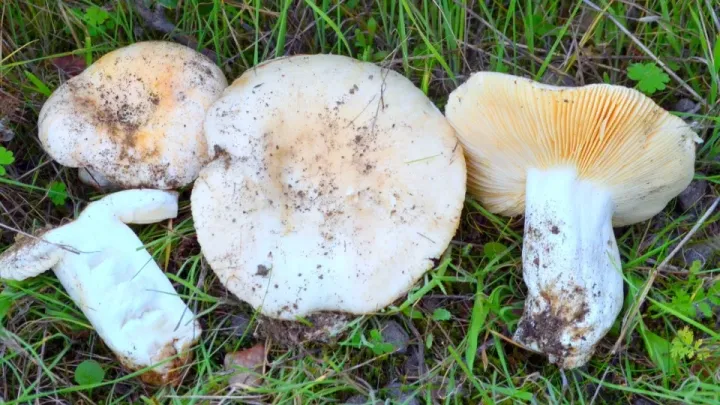
Description
Symptoms
The presence of the fungus is manifested by the emergence of basidiocarps, which typically appear during the cool and moist seasons.
The cap of the fungus exhibits colors ranging from deep red-brown to tan, often depending on the light exposure and soil moisture levels.
Fruiting bodies are characterized by brittle flesh and white to cream-colored gills, which are typical morphological features of the genus Russula.
There are no necrotic spots, chlorosis, or vascular wilting observed on the trees associated with this fungus, confirming its non-pathogenic nature.
Field identification often relies on the microscopic examination of spores, which demonstrate the distinct characteristics of the Russula species.
Pathogen
The Holly-leaved Russula (lat. Russula ilicis) is a basidiomycete fungus belonging to the Russulaceae family. It is strictly a mycorrhizal species and not a plant pathogen.
The fungus forms a symbiotic relationship with the root systems of trees, primarily the Holm oak (Quercus ilex). This biological interaction is mutually beneficial for both the fungus and the host tree.
Since this fungus does not attack plant tissues or cause disease symptoms, it plays a positive role in soil health and nutrient exchange within forest ecosystems.
The biological cycle of Russula ilicis is deeply embedded in the physiology of Mediterranean forest stands, relying on the exchange of carbohydrates from the tree.
Mycology studies classify this species as a typical symbiont, distinguishing it clearly from parasitic fungi that cause plant diseases.
Conditions for development
The development of Russula ilicis depends heavily on the climatic conditions of Mediterranean forests, particularly autumn rainfall.
Soil composition, specifically the presence of organic litter and acidity, creates the necessary environment for the fungus to establish its mycorrhizal network.
Stability of the forest ecosystem is crucial, as the fungus requires a consistent host tree to maintain its vegetative mycelium underground.
Temperature fluctuations directly influence the timing of fruiting body formation, which is usually concentrated in the later months of the year.
Airborne spore dispersal ensures the colonization of suitable habitats where appropriate host trees are present to form new symbiotic associations.
Discussion
No discussions yet — be the first.