
Russula farinipes
Russula farinipes
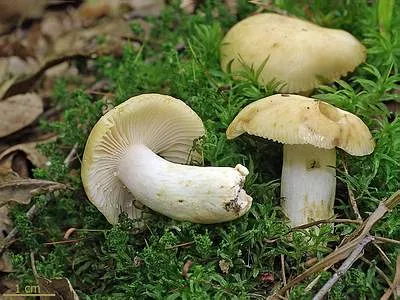
Description
Pathogen
Russula farinipes is a species of mushroom belonging to the Russulaceae family and is strictly classified as a fungus, not a plant pathogen.
There are no recorded instances of this fungus causing diseases in agricultural crops, as it does not possess the biology to attack plant tissues.
In agronomy, it is critical to distinguish between macrofungi that serve ecological purposes and those that are parasites or pathogens of cultivated plants.
The fungus functions primarily as a decomposer of organic forest matter and maintains mycorrhizal relationships with various tree species.
No agricultural damage is attributed to this species, and it remains a non-pathogenic inhabitant of forest soils rather than a threat to food security.
Conditions for development
The development of Russula farinipes fruiting bodies occurs in woodland environments, specifically under diverse tree species in damp forest soil.
This species requires high levels of organic matter, such as leaf litter, and a stable, humid microclimate that is typically absent in agricultural land.
Optimal growth conditions are limited to specific forest soils with balanced pH levels, preventing the species from colonizing cultivated soil environments.
Spore dispersal occurs naturally in the forest, but the spores lack the specialized mechanisms required to infect agricultural commodities.
The presence of this fungus is an indicator of a healthy, biodiverse forest habitat rather than a sign of pathogenic disease pressure in crops.
Discussion
No discussions yet — be the first.