
Description
Symptoms
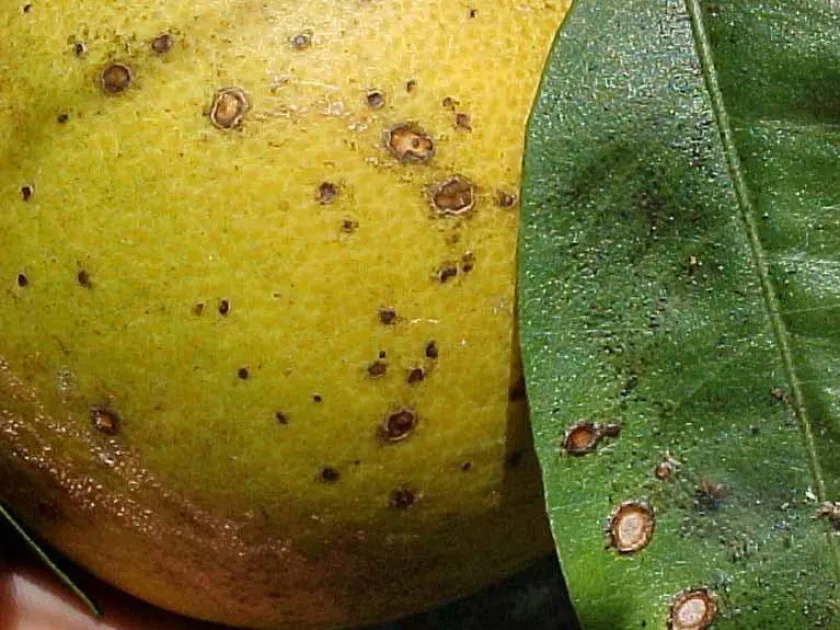
Grapefruit rind stippling is characterized by the appearance of numerous small, dark-colored pits on the surface of the fruit peel.
These spots are typically found in the depressions between the oil glands and do not penetrate into the pulp or the inner rind.
The symptoms usually emerge as the fruit nears maturity, often becoming more pronounced shortly before the harvest period.
In severe cases, the individual stippled spots can coalesce, leading to larger discolored areas that significantly affect fruit appearance.
The absence of fungal growth or necrotic lesions distinguishes this physiological condition from infectious diseases like citrus scab or melanose.
Pathogen
Grapefruit rind stippling is a non-infectious, physiological disorder rather than a disease caused by pathogens.
It results from cellular stress within the fruit peel, leading to localized cell death and oxidation of phenolic compounds.
There is no biological agent such as bacteria, fungi, or viruses involved in the development of these symptoms.
The condition is entirely dependent on the interaction between the fruit's genetic makeup and its surrounding environment during growth.
Therefore, no chemical pesticides or fungicides are effective in treating this specific physiological phenomenon.
Conditions for development
The disorder is strongly linked to extreme environmental fluctuations, particularly sudden changes in temperature and humidity.
Imbalanced soil nutrition, especially high nitrogen levels and deficiencies in potassium or calcium, increases the fruit's susceptibility.
Direct exposure to intense sunlight and high heat can cause dehydration of the rind cells, triggering the stippling effect.
Rapid changes in soil moisture, such as heavy rainfall following a prolonged dry spell, contribute significantly to rind tension.
Certain grapefruit cultivars exhibit a higher genetic propensity for this condition under suboptimal climatic conditions.
Why it matters
The primary impact of rind stippling is economic, as it drastically reduces the market value of the fruit due to cosmetic damage.
While the internal quality, juice content, and flavor of the fruit remain unaffected, the aesthetic defects make them unmarketable for fresh retail.
Producers often face significant post-harvest losses when fruit fails to meet the strict quality standards required for premium markets.
The damaged areas of the rind may become entry points for secondary decay-causing organisms during storage and transportation.
Increased sorting and grading costs are often required to separate affected fruit from high-quality produce, further reducing profit margins.
Protection
Proper water management through consistent irrigation is the most effective way to prevent fluctuations in rind cell tension.
Balanced fertilization programs focusing on adequate potassium levels help maintain cell wall integrity and overall rind strength.
Foliar application of calcium-based nutrients has been shown to reduce the incidence of physiological pitting in various citrus crops.
Pruning strategies that ensure adequate canopy density can provide natural shade, preventing fruit from overheating under intense sun.
- Monitoring soil moisture and nutrient levels regularly.
- Using shade netting in regions prone to extreme heat.
- Scheduling harvest to avoid over-maturity on the tree.
Pathogens and affected parts
Affects crops · 1
Discussion
No discussions yet — be the first.