
Rhopalodia gibba
Rhopalodia gibba
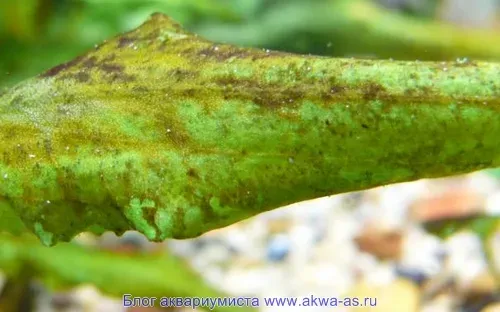
Description
Pathogen
Rhopalodia gibba is a unicellular diatom alga characterized by its distinct, arched morphology and high reproductive capacity.
In modern agriculture, it is classified as an opportunistic biofouling agent that thrives in moist, mineral-rich environments.
The organism contains endosymbiotic cyanobacteria, which enable nitrogen fixation, providing a significant competitive advantage.
It reproduces through cell division, leading to the rapid formation of dense biofilms on various infrastructure surfaces.
These algae utilize secreted mucus-like substances to anchor themselves firmly, making mechanical removal challenging.
Conditions for development
The proliferation of Rhopalodia gibba is highly dependent on silica concentration and light availability within the system.
Optimal growth occurs at temperatures ranging between 18°C and 25°C, typical for greenhouse cultivation environments.
High levels of nitrogenous fertilizers in hydroponic solutions often trigger massive outbreaks of this diatom species.
Low water flow velocity in irrigation pipes encourages the accumulation of algal mass, turning pipes into long-term breeding grounds.
The lack of competition from other beneficial microbial flora allows this species to dominate and spread rapidly throughout the setup.
Why it matters
The primary concern is the physical obstruction of drippers, nozzles, and filtration units, leading to uneven irrigation distribution.
Dense biofilms hinder oxygen transfer in the root zone, potentially leading to root decay and secondary bacterial infections.
The algae compete for essential mineral nutrients in the solution, negatively impacting the growth and yield of the primary crop.
Accumulated algal debris creates an organic substrate that fosters the growth of other harmful pathogens within the irrigation system.
Surface colonization of hydroponic substrates can disrupt the balance of the rhizosphere, stressing the plants during growth.
Protection
Implementation of UV-C sterilization systems is the most effective method for controlling free-floating algal populations.
Regular mechanical scrubbing and disinfection of reservoirs and pipes are essential to prevent long-term biofilm accumulation.
Managing the nutrient solution to optimize mineral ratios and prevent silica spikes helps limit the diatom growth potential.
Shading irrigation tanks and opaque tubing significantly reduces the light available for photosynthetic algal activity.
Hydrogen peroxide treatments are recommended for periodic system flushing to break down organic buildup safely and efficiently.
Discussion
No discussions yet — be the first.