
Rhodotorula mucilaginosa
Rhodotorula mucilaginosa
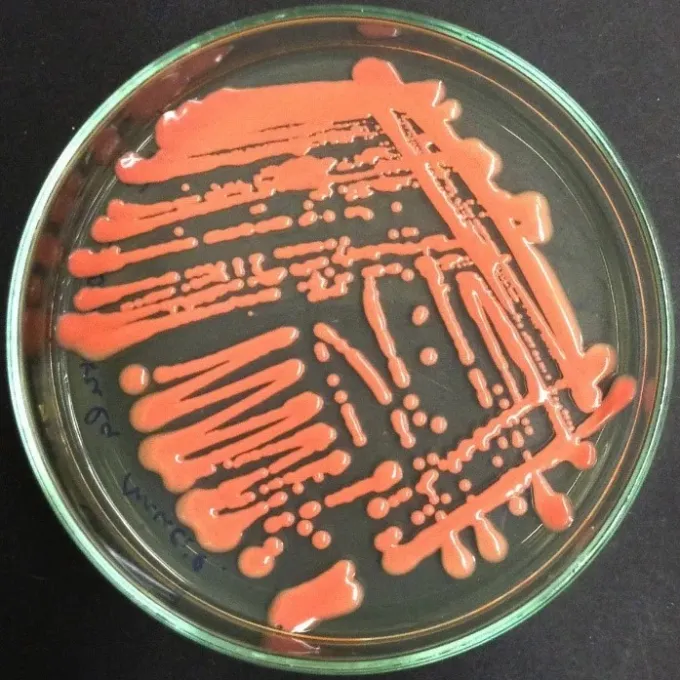
Description
Symptoms
The presence of Rhodotorula mucilaginosa on plants is typically marked by the formation of pink or salmon-colored slimy coatings on fruit skins and leaves.
Infected tissues often exhibit a greasy or oily texture, accompanied by localized discolorations that may expand as the fungus utilizes surface nutrients.
Fruits infected with this pathogen often show signs of accelerated softening, loss of firmness, and a reduction in post-harvest shelf life.
In severe cases, the yeast growth can lead to secondary rotting due to its ability to create a moisture-rich environment that invites bacterial pathogens.
- pinkish-red slimy surface growth;
- soft and mushy fruit texture;
- localized necrotic or discolored spots;
- slippery appearance of leaves or fruit;
- distinctive yeast-like fermentation odor.
Pathogen
Rhodotorula mucilaginosa is a type of yeast-like basidiomycetous fungus that is widely distributed in nature and often acts as a common epiphyte.
The fungus is easily identified by the presence of carotenoid pigments, which give its colonies a distinctive pink or reddish-orange appearance.
It reproduces primarily by budding, forming mucilaginous masses that facilitate its dispersal through rain splashes, irrigation water, and wind.
While often considered a saprophyte, R. mucilaginosa can act as an opportunistic pathogen when environmental conditions favor its rapid proliferation.
Research indicates that this fungus can occupy various niches within the phyllosphere, competing with other microorganisms on the surface of plant tissues.
Conditions for development
High humidity and prolonged periods of leaf wetness are critical factors that promote the development and spread of Rhodotorula mucilaginosa.
The fungus thrives in moderate temperature ranges, making it a persistent concern during the active growing season of various fruit and vegetable crops.
Mechanical damage to plant surfaces, such as cuts or bruises, provides an entry point that significantly increases the susceptibility of tissues to colonization.
Poor aeration in dense canopy structures or storage facilities creates a stagnant microclimate that accelerates the reproduction of these yeast colonies.
Nutrient leakage from plant cells, often caused by stress or senescence, serves as an excellent substrate for the fungus to multiply aggressively.
Why it matters
The primary economic impact of this fungus is the reduction of fruit quality, which can make produce unmarketable due to the aesthetic damage caused by slime.
Metabolic activity of the yeast can lead to the degradation of surface structures, which impairs the plant's natural protective barriers against other diseases.
By covering the surface of leaves, the fungus can partially inhibit photosynthesis, thereby impacting the overall vigor and yield potential of the plant.
Post-harvest losses are significant, as infected batches can contaminate healthy fruit in storage through contact and high relative humidity levels.
In certain agricultural processing scenarios, the presence of these yeasts can interfere with fermentation processes or cause spoilage in products.
Protection
Effective management begins with good horticultural practices, such as proper pruning to ensure adequate sunlight penetration and air circulation.
Sanitation is paramount; removing infested crop residues reduces the primary inoculum source that could persist to the next growing season.
Application of broad-spectrum fungicides can be effective in preventing the establishment of yeast colonies when environmental conditions are conducive to disease.
Post-harvest handling should include maintaining low humidity and proper temperature control in storage to inhibit any dormant fungal growth.
Implementing a crop rotation strategy helps to disrupt the life cycle of various pathogens and promotes a more balanced ecosystem, reducing disease pressure.
Discussion
No discussions yet — be the first.