
Rhacodiella vitis
Rhacodiella vitis
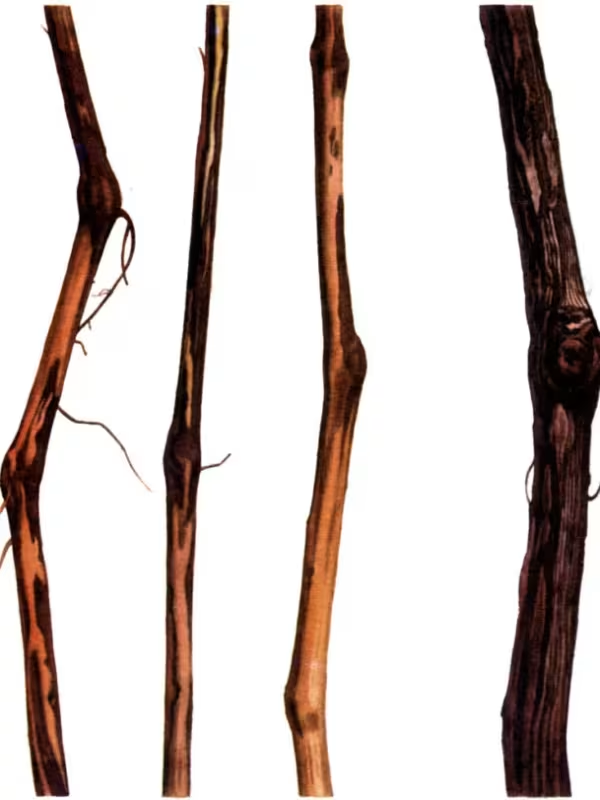
Description
Symptoms
Early symptoms include dark, necrotic spots appearing on young shoots, which gradually develop into deep, elongated lesions that may split the bark.
The foliage of infected vines often shows chlorosis, curling, and a general lack of vigor due to the restricted nutrient flow caused by the fungal colonization of the vessels.
Cross-sections of affected canes reveal characteristic browning and tissue decay, confirming that the pathogen is actively damaging the vascular bundles of the plant.
Flowering clusters may wither prematurely or fail to set fruit properly, leading to sparse bunches and reduced yield at the end of the harvest season.
In advanced stages of infection, entire cordons may die off as the pathogen effectively girdles the branches, preventing water and nutrients from reaching the leaves and fruit.
Pathogen
The disease is caused by the fungus Rhacodiella vitis, a specialized pathogen that affects the wood and green tissues of grapevines, often acting as a localized, chronic infection.
The pathogen primarily overwinters as mycelium within infected vine canes, soil debris, or dormant buds, waiting for optimal environmental triggers to begin its annual life cycle.
It spreads through conidia that are disseminated by splashing rain and wind currents, which transport the spores onto healthy tissue during the active growing season.
Once settled, the fungus penetrates the plant through natural openings or accidental wounds, slowly colonizing the vascular system and internal woody tissues of the vine.
The biological nature of this fungus allows it to remain dormant during dry spells, only to resume aggressive growth when humidity levels increase, making it a persistent vineyard threat.
Conditions for development
Prolonged high humidity and moderate temperatures are the most favorable conditions for the rapid multiplication and dispersal of Rhacodiella vitis spores.
Vineyards with dense foliage and poor airflow are at the highest risk, as these environments trap moisture near the vine surface, allowing the fungus to thrive.
Mechanical injuries, such as those caused by pruning, training, or pest activity, provide direct entry points for the pathogen into the woody parts of the plant.
Poor soil drainage that leads to waterlogging can exacerbate the infection by putting the vine under physiological stress, making it less resistant to fungal attacks.
Improper fertilization, particularly excessive nitrogen, promotes soft and succulent growth which is more susceptible to the penetration of fungal mycelium.
Why it matters
The primary damage caused by this disease is the gradual systemic decline of the vine, leading to reduced productivity and eventually the death of the plant.
Economic losses are driven by the destruction of potential fruit production, as well as the significant costs associated with labor-intensive pruning and disease control efforts.
The presence of this disease can jeopardize the longevity of an entire vineyard, potentially requiring expensive and time-consuming replacement of the infected vines.
Infected vines serve as a reservoir for spores, increasing the risk of spread to neighboring plants and necessitating stricter management protocols throughout the vineyard.
Overall, the health of the vineyard is compromised, resulting in weaker vines that are more prone to secondary infections by other opportunistic pathogens.
Protection
The foundation of effective management involves strict sanitation practices, such as the immediate removal and destruction of all infected vine material through burning.
Proper canopy management is crucial; thinning out leaves and ensuring adequate spacing between vines promotes the airflow necessary to discourage fungal proliferation.
Applying copper-based fungicides during the early spring before bud burst can significantly reduce the overwintering spore load on the bark of the dormant vines.
- Disinfecting pruning tools between every single vine.
- Using balanced potassium-based fertilizers to improve tissue resistance.
- Improving site drainage to prevent moisture accumulation.
Where infections are severe, incorporating systemic fungicides that penetrate the wood and inhibit fungal growth from within is recommended as part of a seasonal spray program.
Discussion
No discussions yet — be the first.