
Pale coral fungus
Ramaria pallida
Description
Symptoms
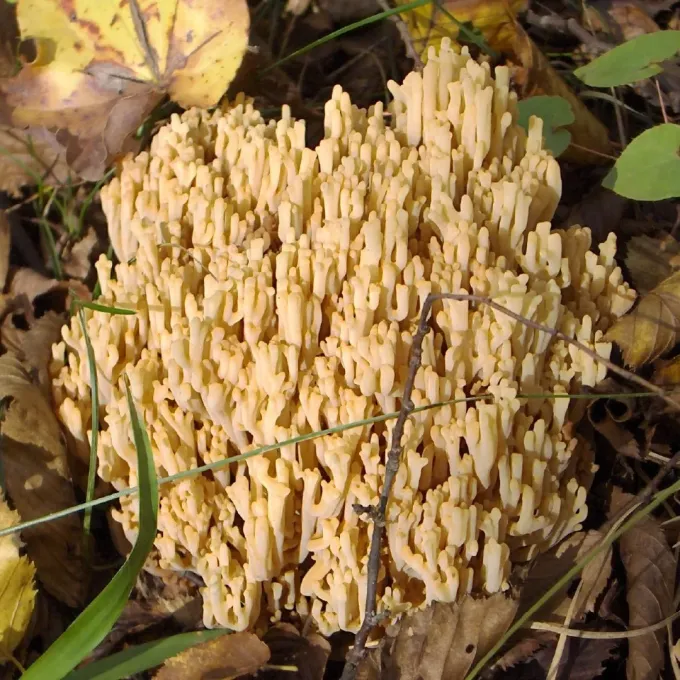
The primary identification sign is the emergence of coral-like structures that are pale, yellowish, or ochre in color.
These fruiting bodies often cluster in groups, forming distinct patches or lines across shaded, moist soil surfaces.
An underlying mycelial mat might be present, which can alter soil texture and produce a distinct earthy or decaying aroma.
Stunted growth of sensitive herbaceous plants nearby may occur due to competition for nutrients and space in the rhizosphere.
Upon physical handling or pressure, the flesh of the fungus may darken, providing a clear visual clue for identification.
Pathogen
Ramaria pallida is a basidiomycete fungus belonging to the Gomphaceae family. It is generally regarded as a soil-dwelling saprotroph that decomposes organic matter.
The organism develops branched, coral-like fruiting bodies that are cream or pale-colored. It is categorized as a toxic or inedible species in the mycological classification.
Biological activity is concentrated in the upper soil layers where the mycelium establishes a network around decaying organic debris.
This fungus is commonly found in forests but can colonize gardens that feature high humidity, forest mulch, or decomposing wood.
It reproduces via spores that spread across the garden area through wind currents or water runoff during rainy seasons.
Conditions for development
Optimal growth conditions include high soil moisture, shade, and moderate temperatures typical of late summer and early autumn.
Acidic to neutral soil enriched with organic humus provides the necessary nutrients for the mycelium to thrive.
Poor drainage and low air circulation in the garden contribute to the stabilization and expansion of the fungal colony.
The presence of woody debris, such as mulch, wood chips, or decaying roots, acts as a primary food source for the organism.
Frequent rainfall events trigger the rapid production of visible fruiting bodies from the established mycelial network.
Why it matters
The primary concern regarding this fungus is its toxicity; it causes severe digestive distress if ingested by humans or pets.
While it is not a direct plant pathogen, it competes with landscape plants for water and nutrients within the soil profile.
Massive colonization of the soil may lead to an imbalance in soil microbiology, potentially affecting sensitive garden species.
It poses a significant safety risk in domestic gardens, particularly where small children or animals are present.
Although it does not rot live wood, its presence indicates a high level of moisture and decaying organic material that could be unsuitable for some plants.
Protection
Mechanical removal of the fruiting bodies is the most effective way to prevent the spread of spores to other areas of the garden.
Improving soil aeration through regular hoeing or tilling disrupts the mycelial structure and limits its capacity to expand.
Effective moisture management, including improving drainage, makes the garden environment less hospitable for the fungus.
Clearing away accumulated leaf litter, wood mulch, and old stumps removes the carbon source necessary for the fungus to persist.
In cases of widespread occurrence, replacing the top layer of contaminated soil can significantly reduce the potential for regrowth.
Discussion
No discussions yet — be the first.