
Iris leaf spot (Rachicladosporium iridis)
Rachicladosporium iridis
Description
Symptoms
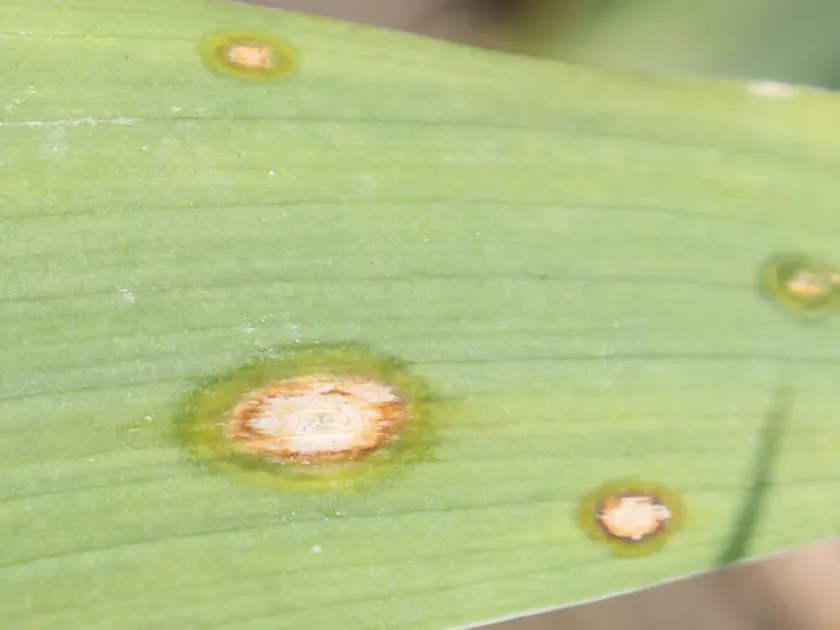
The primary symptom of Rachicladosporium iridis infection is the appearance of characteristic spots on the iris leaves. Initially, these spots manifest as small, often watery lesions that gradually increase in size.
As the disease progresses, these spots develop a brown or dark-tan color. Often, a distinct yellowish halo forms around the necrotic tissue, which is the plant's physiological response to the pathogen's attack.
Under conditions of high humidity, an olive-black velvety layer develops on the surface of the lesions. This layer represents the fungus's sporulation, allowing the pathogen to spread easily via wind or water splashes to healthy parts of the plant.
In severe cases, the disease leads to premature drying of the foliage. The affected leaves lose their aesthetic value, turn yellow, and die off, which significantly weakens the plant before the dormant winter period.
The infection can also spread to the flower stalks, causing deformation and growth suppression. Consequently, the overall health of the iris declines, and flowering becomes stunted or ceases entirely.
Pathogen
The causative agent of this disease is the fungus Rachicladosporium iridis. It is a highly specialized pathogen that affects primarily members of the genus Iris.
This fungus belongs to the deuteromycete group and is capable of surviving in plant debris within the soil for extended periods. Its biological cycle is tightly linked to the decline of the plant's natural immune system.
The pathogen enters the iris tissue through stomata or micro-injuries on the epidermis. Once inside, the fungal mycelium grows aggressively, destroying plant cells and absorbing essential nutrients.
Reproduction occurs via conidia, which are actively produced during the warmer months. The incubation period from initial infection to the appearance of visible spots varies depending on temperature and humidity levels.
The fungal mycelium possesses high viability, making it difficult to eradicate in humid and cool climates. It can survive the winter both as mycelium within the rhizomes and as spores on the soil surface.
Conditions for development
The most favorable conditions for the development of Rachicladosporium iridis include high air humidity, typically exceeding 70–80%. Outbreaks are most common during rainy spring and summer seasons.
The optimal temperature range for the spread of fungal spores is between +15°C and +25°C. Under these conditions, the infection progresses rapidly, affecting significant areas of planting within weeks.
Densely packed iris beds create a microclimate with poor air circulation, which helps moisture droplets persist on the leaves. This is an ideal environment for spore germination and colonization.
Lack of sufficient sunlight also exacerbates the disease, as leaves remain damp for longer periods after dew or rain. Weakened or shaded plants are usually the first to be attacked by the fungus.
Excessive application of nitrogen fertilizers makes leaf tissues softer and more vulnerable to spore penetration. Conversely, balanced nutrition and excellent soil drainage reduce the overall risk of disease.
Why it matters
The leaf spot causes serious damage to the ornamental value of irises. Due to the mass death of leaves, photosynthesis is severely hindered, preventing the plant from accumulating necessary energy reserves.
Gradual depletion of the rhizomes leads to decreased winter hardiness. In the following seasons, the irises may fail to survive the winter or exhibit significant growth delays.
Economic losses are particularly high in commercial nurseries, where affected plant material loses its market appeal. The disease renders plants unsuitable for sale or professional propagation.
Without proper monitoring and control, the pathogen can spread rapidly throughout the entire garden. One season is enough for the infection to compromise an entire collection if no action is taken.
Damage to the flower stalks negatively impacts bloom quality. Buds may become deformed, and the duration of flowering is significantly reduced, which is critical for landscape designers.
Protection
The first step in controlling the disease is the sanitary pruning and destruction of all affected plant parts. Debris should be burned or disposed of away from the garden to prevent spore dispersal.
To prevent infection, it is necessary to adhere to proper horticultural practices. It is recommended to plant irises in well-lit areas with excellent drainage, avoiding moisture retention.
Regular thinning of the clumps improves airflow, which significantly reduces the likelihood of fungal colony formation. Maintaining adequate spacing between plants is a crucial preventive measure.
Upon detecting the first signs of the disease, apply copper-based fungicides or systemic triazole-group treatments. Applications should be performed every 10–14 days depending on weather conditions.
To ensure healthy stock, treat rhizomes before planting. A comprehensive approach, combining garden sanitation and chemical protection, ensures the most stable results for your iris collection.
Discussion
No discussions yet — be the first.