
Pythium root rot
Pythium uncinulatum
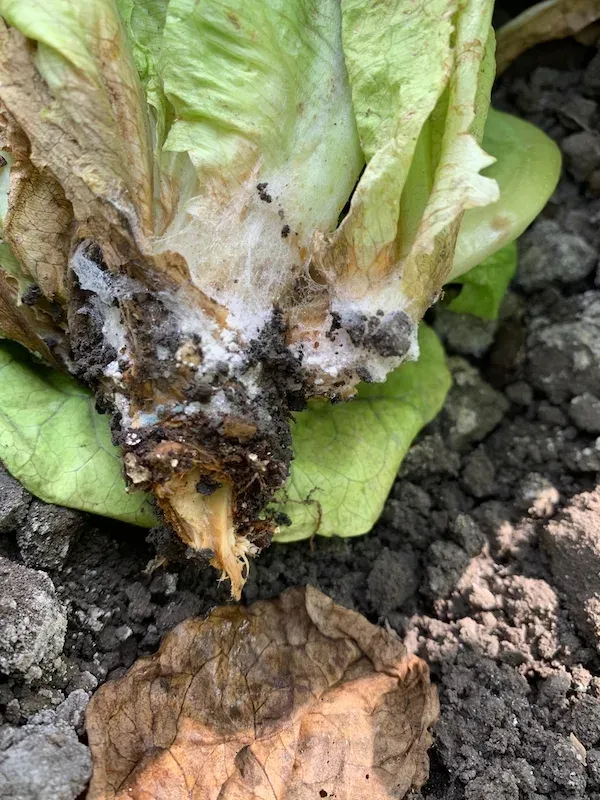
Description
Symptoms
Initial symptoms are characterized by stunted growth and wilting during peak sunlight hours. Leaves often exhibit chlorosis, starting from the margins and progressing inward as the root system fails.
Root inspection reveals browning and tissue necrosis. A diagnostic feature of Pythium rot is the ability to easily strip the outer layer of the root (the cortex) away from the central vascular cylinder, which may initially appear intact.
As the infection progresses, the root system turns dark brown to black and becomes soft or mushy. The plant's ability to maintain turgor pressure is lost due to the destruction of root hairs and secondary roots.
Severe infestations often cause the death of the entire root system. In high-humidity conditions, a faint, white, cottony mycelial growth may sometimes be observed on the decaying root tissues.
The decay is frequently accompanied by a putrid smell, which is an indication of secondary bacterial decomposition following the primary infection by the oomycete.
Pathogen
The causative agent of the disease is the oomycete Pythium uncinulatum, a soil-borne organism that is closely related to fungi. It is known for its ability to produce long-lasting oospores, which allow it to survive in the soil for several years.
The pathogen utilizes motile zoospores to navigate through water-saturated environments towards the host plant's root system. This makes it a significant threat in hydroponic and greenhouse operations.
The name uncinulatum refers to the hooked (uncinate) appendages found on the oogonia, a unique morphological feature that allows mycologists to distinguish it from other Pythium species under a microscope.
This pathogen has a wide host range, attacking various vegetable crops, ornamental plants, and flowers. Lettuce and cucumbers are among the most frequently cited hosts for this specific species.
By infecting the root cortex, the pathogen disrupts the plant's uptake of water and nutrients, leading to physiological stress that often results in the death of the plant.
Conditions for development
The primary environmental driver for Pythium uncinulatum is excessive soil moisture or waterlogged conditions. Poor drainage in greenhouses creates a conducive environment for the rapid dispersal of zoospores.
Temperature plays a vital role in disease development. While the pathogen can survive a range of conditions, it thrives in the warm, stable temperatures common in modern intensive greenhouses.
Stressors such as high salinity, incorrect pH levels in nutrient solutions, or low oxygen levels (hypoxia) significantly increase the susceptibility of plants to infection.
Transmission of the pathogen frequently occurs via contaminated irrigation water, dirty greenhouse tools, or infected nursery stock brought into the production facility.
Plants grown in conditions with insufficient light or poor ventilation often develop weaker root systems, making them easier targets for colonization by the pathogen.
Why it matters
The disease can cause significant economic losses, particularly in high-value vegetable crops. In severe cases, mortality rates in a greenhouse batch can reach near-total destruction.
In addition to plant death, the disease severely impacts yield quality. Plants that survive remain stunted and produce low-quality fruits, leading to a loss in marketability.
Financial losses also extend to the operational costs of sanitation, which include the replacement of substrates, disinfection of entire plumbing lines, and the application of chemical control agents.
Once established, the pathogen is extremely difficult to eradicate because oospores persist in the soil and irrigation equipment, posing a recurring threat to subsequent crop cycles.
It can create an opening for secondary infections by other opportunistic pathogens, which complicates the diagnosis and increases the complexity of the treatment required.
Protection
The most effective strategy is the implementation of rigorous greenhouse hygiene. This includes the disinfection of all tools, containers, and irrigation systems before each new growing season.
Improving the drainage and aeration of the growing medium is essential to prevent water accumulation. Healthy, oxygenated roots are significantly more resistant to Pythium attacks.
Biological control agents, such as beneficial fungi in the Trichoderma genus, are widely used to establish a protective shield around the root zone, effectively competing with the pathogen.
Chemical control may involve the application of systemic fungicides specifically effective against oomycetes, provided they are permitted for use on the target crop and applied at appropriate stages.
Maintaining optimal water quality using UV sterilization, ozone treatment, or fine filtration is crucial for neutralizing zoospores in recirculating irrigation systems.
Discussion
No discussions yet — be the first.