
Pythium root rot
Pythium sterilum
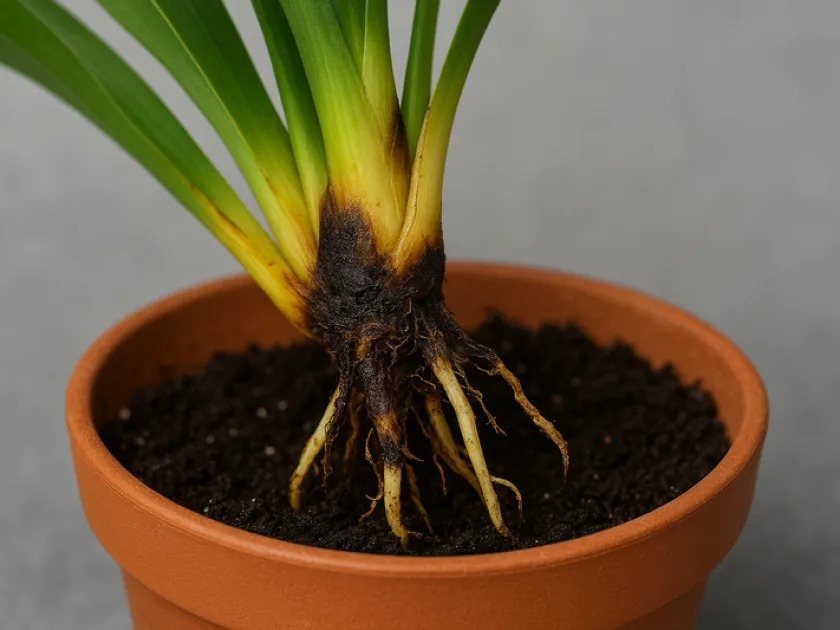
Description
Symptoms
The first observable symptoms are stunted plant growth, leaf yellowing, and temporary wilting during peak sunlight hours, which eventually becomes permanent.
A physical inspection of the root system reveals browning and softening of the root tissues, which lose their structural integrity and become mushy or water-soaked.
When pulling an infected plant, the outer epidermal layer of the root often slips off, leaving the central vascular cylinder exposed—a diagnostic feature of Pythium infection.
- Yellowing of lower leaves.
- Stunted plant development.
- Decay of lateral and fine feeder roots.
- Damping-off of young seedlings.
Under high humidity, a faint greyish mycelial growth may appear on the soil surface or around the base of the stem, signaling advanced decay.
Pathogen
The disease is caused by Pythium sterilum, an organism belonging to the class of oomycetes (water molds). These pathogens reside primarily in soil and water environments, persisting for long periods as dormant oospores.
The life cycle of the pathogen is strictly dependent on moisture, which is required for the production of motile zoospores. Pythium infects roots by penetrating the tissue and decomposing it from within.
Unlike true fungi, the cell walls of Pythium consist of cellulose and glucans, necessitating the use of specific fungicides that target oomycete metabolism rather than general fungal pathways.
Infection typically begins at the root tips or root hairs, which are vital for water and nutrient uptake, making young plants particularly susceptible to damage.
This pathogen often acts as a primary colonizer, creating favorable conditions for subsequent secondary infections by other fungi or bacteria, further complicating disease management.
Conditions for development
The primary driver for Pythium root rot is excessive soil moisture combined with poor drainage and inadequate soil aeration, which promotes pathogen mobility.
The pathogen thrives in cooler temperatures, which frequently leads to outbreaks in greenhouse settings during spring months if irrigation management is not strictly controlled.
High plant density facilitates the rapid spread of zoospores from infected to healthy plants through saturated soil or irrigation runoff.
The use of unsterilized tools, recycled pots, or contaminated potting media drastically increases the risk of introducing the pathogen into a clean environment.
Plant stress, often induced by nutrient imbalances or temperature fluctuations, makes the root system significantly more susceptible to infection by this pathogen.
Why it matters
The economic impact of this disease includes substantial crop failure, loss of uniformity in batches, and the total death of young transplants, leading to high replanting costs.
Infected plants suffer from impaired water and nutrient uptake, preventing them from reaching their full growth potential and reducing the final harvest yield.
In greenhouse operations, Pythium can quickly develop into an epidemic, destroying entire benches of seedlings within a very short period of time.
The costs associated with management, including intensive disinfection of infrastructure and the replacement of contaminated soil, add significant financial burdens.
Once established in a field or greenhouse, the pathogen is difficult to eradicate, often necessitating a long-term strategy for crop rotation or soil treatment.
Protection
Successful management relies heavily on cultural practices, specifically maintaining strict irrigation schedules to prevent soil saturation and ensuring proper container drainage.
Preventive measures include the sterilization of substrates (using heat or bio-disinfection) and the use of clean, disease-free propagation material.
The strategic use of targeted fungicides designed to combat oomycetes is recommended when early signs of infection are detected in the crop.
- Use certified, clean planting material.
- Improve soil aeration and drainage systems.
- Immediately remove and dispose of infected plants.
- Sanitize tools and surfaces with recommended disinfectants.
Biological control agents, such as specific strains of beneficial bacteria or fungi, can be incorporated into the soil to suppress Pythium activity in the rhizosphere.
Discussion
No discussions yet — be the first.