
Pythium root rot
Pythium spinosum
Description
Symptoms
The most common initial symptom is a general failure to thrive, characterized by stunted growth and yellowing of the foliage. Plants often show signs of wilting during the warmest part of the day, even when the soil moisture appears to be perfectly adequate.
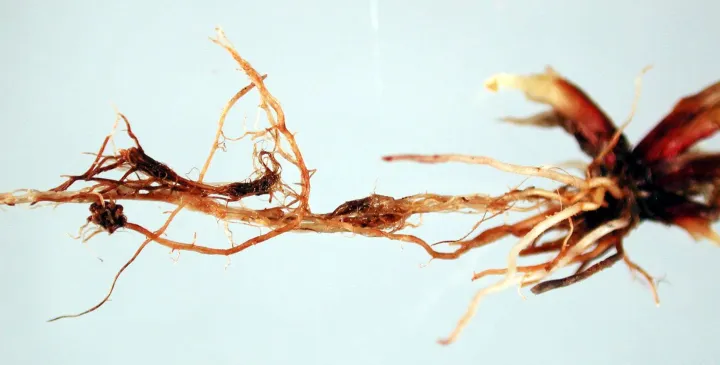
Upon closer inspection of the root system, one will observe that the roots have turned brown and soft. Instead of healthy, white, and firm root tips, the roots become slimy and may slough off their outer cortex, leaving only the central vascular core exposed.
Seedlings are particularly prone to "damping off," where the stem base turns dark and thin, causing the young plant to collapse. This happens so quickly that many gardeners may not even realize it is a disease, often blaming it incorrectly on simple overwatering.
As the disease progresses, the root mass significantly decreases in volume, making the plant unstable in the growing medium. In advanced stages, the root system is almost entirely destroyed, making the plant very easy to pull out of the soil with little to no resistance.
In humid greenhouse conditions, you may see a fine, cottony mycelial growth around the stem base or on the surface of the soil. This growth is a sign of an active infection spreading and indicates that the disease is in an aggressive phase of development.
Pathogen
The causal agent of this disease is Pythium spinosum, an oomycete, which is a type of fungus-like organism. Unlike true fungi, oomycetes thrive in wet conditions and possess specialized zoospores that can swim through thin films of water in the soil to reach plant hosts.
The pathogen survives in the environment as oospores, which are dormant, thick-walled structures that can remain viable in the soil for several years. This resilience makes it extremely difficult to eradicate once a field or greenhouse facility has become infested.
This pathogen has a very broad host range, including many vegetables, ornamental plants, and seedlings. Young tissues are particularly susceptible because they lack the thicker, protective cork layers found in older, more established plant structures.
Infection begins when zoospores are attracted to the chemical signals released by plant roots. Once they adhere to the root surface, they encyst and penetrate the tissue, eventually destroying the root's ability to transport essential water and nutrients to the plant.
The spread of Pythium spinosum is often accelerated by human activity, such as moving contaminated soil, using infected irrigation water, or sharing untreated tools. Once established in a growing area, it can spread rapidly through shared water systems or by runoff.
Conditions for development
The primary driver of Pythium root rot is excessive soil moisture and poor drainage. These conditions not only directly favor the movement of zoospores but also create an environment that limits root oxygenation, weakening the plant's natural defense mechanisms.
Cooler soil temperatures are often optimal for the development of Pythium spinosum. This makes early spring plantings especially vulnerable, as young plants often struggle with slow growth in cold, wet soil, providing the perfect window for the pathogen to establish itself.
Suboptimal soil management, such as the use of overly dense potting mixes or poor container drainage, significantly exacerbates the risk. Any factor that leads to standing water in the root zone acts as a catalyst for a potential outbreak of the disease.
Continuous cropping of the same susceptible species in the same soil or containers facilitates the buildup of oospores. Without intervention or rotation, the pathogen population density can quickly reach levels that make successful production impossible without chemical control.
Water quality is a major environmental factor, especially in operations that use recycled water or pond water for irrigation. If these water sources are not treated or filtered, they can introduce the pathogen into healthy crops, leading to massive, widespread outbreaks.
Why it matters
The economic impact of Pythium root rot is most severe in seedling production. The loss of entire batches of plants can lead to significant financial setbacks, delayed planting schedules, and the need for expensive replanting, which impacts the entire production cycle.
In established crops, the disease results in reduced yields and poor plant quality. Affected plants are less efficient at absorbing nutrients, which prevents them from reaching their full genetic potential, resulting in smaller harvests and lower overall market value.
For hydroponic operations, Pythium spinosum is a catastrophic threat. Because the nutrient solution circulates throughout the entire system, the pathogen can travel from a single infected plant to contaminate the entire facility in a matter of days, risking a total crop failure.
Managing the disease requires ongoing labor and financial investment in sanitation, fungicides, and monitoring. Furthermore, soil that has become heavily infested may require costly sterilization processes or lengthy fallow periods before it can be used again for vulnerable crops.
The loss of plant vigor also makes crops more susceptible to other secondary infections and environmental stresses. Weakened plants are less likely to survive transplanting shock or recover from pests, leading to further indirect losses and reduced efficiency in the field.
Protection
Prevention starts with meticulous water management and ensuring excellent soil drainage. Avoiding overwatering and utilizing growing media that offer good aeration are the most effective ways to discourage the development and spread of Pythium species.
Strict sanitation protocols for equipment, pots, and greenhouse structures are essential. All containers and tools should be thoroughly disinfected between uses, and it is crucial to start each season with fresh, sterile growing media to eliminate potential sources of oospores.
Biological control agents, such as beneficial Trichoderma fungi, can be incorporated into the soil or potting mix. These beneficial microbes colonize the root zone and protect the plant by outcompeting the pathogen and stimulating the plant's natural systemic immunity.
When necessary, chemical fungicides specifically formulated for oomycetes can be applied as a preventive or curative measure. Always follow the manufacturer's instructions carefully, focusing on timing and correct application rates to ensure efficacy and minimize environmental impact.
Choosing resistant varieties and implementing diverse crop rotations can break the disease cycle and help maintain soil health. Combined with healthy transplant practices and monitoring, these strategies create a sustainable defense against Pythium root rot.
Discussion
No discussions yet — be the first.