
Pythium root rot
Pythium spiculum
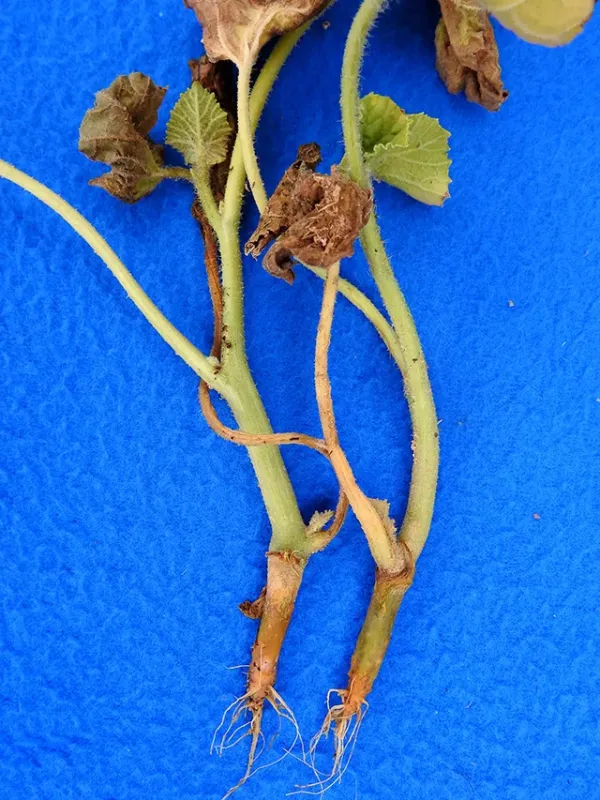
Description
Symptoms
Early symptoms include the browning and softening of root tips, which often lose their firm structure and become translucent or mushy.
The aerial part of the plant displays wilting, stunted growth, and a noticeable chlorosis, especially during the peak sunlight hours.
As the root system decays, the plant loses its ability to absorb nutrients and water, leading to a visible decline in vigor.
In seedlings, the condition known as damping-off occurs, where the stem becomes thin at the soil line, causing the plant to collapse.
In mature plants, roots may detach easily from the main stem, as the cortical tissue is completely destroyed by the pathogen's hyphae.
Pathogen
The causative agent of the disease is Pythium spiculum, a soil-borne pathogen belonging to the oomycetes group, often referred to as water molds.
This pathogen survives in the soil through long-lived resting spores called oospores, which can remain dormant for several years until favorable conditions arrive.
The life cycle involves the production of motile zoospores that require water to swim and locate the root surfaces of host plants.
Once the host is located, the pathogen penetrates the root tissues, causing rapid cell collapse and tissue decay.
Pythium spiculum can also act as a saprophyte, surviving on decaying plant debris, which complicates soil sanitation efforts in agricultural settings.
Conditions for development
High moisture levels in the soil or growing medium are the primary drivers for the development and spread of Pythium spiculum.
Poor soil aeration and waterlogged conditions inhibit root respiration and create the perfect aquatic environment for zoospore movement.
The disease thrives in cooler soil temperatures, which are common during early spring or in poorly ventilated greenhouses.
Compacted soil structure significantly increases the risk, as it prevents proper drainage and retains excessive moisture around the root zone.
Contaminated equipment, tools, and irrigation water containing active spores are the main routes for the introduction of the pathogen into healthy plots.
Why it matters
The primary economic impact of Pythium root rot is the significant reduction in yield due to inhibited nutrient uptake and reduced plant vitality.
Heavy infestations can lead to total crop failure, particularly in greenhouse operations where plants are grown in controlled environments.
The disease makes plants highly susceptible to other secondary soil-borne pathogens, compounding the damage to the plant's health.
Stunted plants lack marketability and produce lower quality fruit or vegetative matter, leading to substantial financial losses for growers.
The ability of the pathogen to persist in the soil makes it a long-term problem for continuous cultivation if not managed properly.
Protection
The most effective strategy is the maintenance of proper soil moisture levels and avoiding water saturation through efficient irrigation management.
Incorporating beneficial microbes, such as Trichoderma species, into the soil can help naturally suppress the growth of Pythium.
Implementing strict sanitation protocols, such as disinfecting tools and using certified, disease-free planting material, is essential.
Crop rotation and the use of well-draining soil mixes or hydroponic systems with UV water treatment are highly recommended for control.
Chemical control can be utilized as a preventative or curative measure using specialized fungicides, provided they are applied according to label regulations.
Discussion
No discussions yet — be the first.