
Pythium rot
Pythium salpingophorum
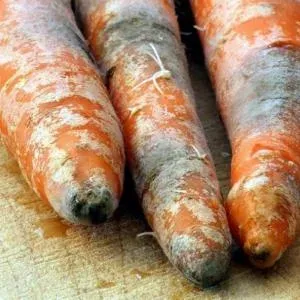
Description
Symptoms
The first clinical signs of Pythium rot include the browning and softening of root tissues. The roots often lose their structural integrity and become slimy or mushy to the touch.
Above-ground symptoms manifest as stunting, chlorosis, and wilting. Plants may appear to be suffering from drought stress even when the soil moisture content is high, due to the failure of the root system to absorb water.
In seedlings, the classic symptom is "damping-off," where the stem at the soil line becomes necrotic, water-soaked, and collapses, causing the young plant to fall over.
If the infection is severe, the root cortex may slough off, leaving behind only the central vascular cylinder, which is unable to support the plant's metabolic needs.
In some cases, a sparse, cottony white mycelial growth may be observed on the soil surface around the base of the plant if humidity levels remain consistently high.
Pathogen
The causative agent of this disease is Pythium salpingophorum, a soil-borne microorganism belonging to the class Oomycetes. These organisms are often referred to as water molds due to their dependency on moisture for reproduction and spread.
The pathogen thrives as a saprophyte, surviving on decaying organic matter in the soil. Under favorable moisture conditions, it develops structures known as oospores, which allow it to persist in the soil for several years.
The active life stage includes the production of zoospores, which are motile and use flagella to swim through the soil water film towards the root exudates of susceptible plants.
Once they reach the roots, the zoospores encyst and penetrate the host tissue, using specialized enzymes to degrade the plant's cell walls, leading to the characteristic rotting process.
This pathogen is opportunistic, meaning it rapidly exploits any decline in plant vigor, particularly under conditions of poor soil health or environmental stress.
Conditions for development
Excessive soil moisture is the primary driver of Pythium rot development. Waterlogged conditions or poor drainage create a perfect environment for zoospore movement and infection.
Soil temperatures play a significant role; while some Pythium species prefer cooler temperatures, most thrive in the moderate to warm ranges that are also conducive to plant growth.
Compacted soils with low aeration levels restrict root development and create hypoxic conditions, which weaken the plant's defense mechanisms and increase vulnerability to the pathogen.
Poor sanitation practices, such as reusing contaminated pots or planting in infested field soil, significantly increase the risk of introducing the disease to new sites.
Fluctuating moisture levels can also lead to root tip death, creating entry points for the pathogen to colonize the root system more efficiently.
Why it matters
The economic impact of Pythium rot is severe, particularly in greenhouse-grown crops and nurseries where high plant density allows the pathogen to spread rapidly.
Significant yield reductions are common due to the loss of root surface area, which limits the uptake of water and essential macronutrients like nitrogen and phosphorus.
In cases of severe infestation, growers often face total crop loss, necessitating the costly disposal of infected plants and complete sterilization of the growing area.
Plants that survive an initial infection often demonstrate poor growth, reduced quality, and lower market value, as the damage to the root system is irreversible.
Furthermore, the persistence of oospores in the soil complicates future cultivation, often forcing farmers to switch to non-host crops or implement expensive soil treatment measures.
Protection
Effective management begins with proper cultural practices, specifically ensuring excellent drainage and avoiding over-irrigation to prevent the accumulation of standing water.
Using certified, disease-free seeds or treated seedlings is essential for preventing the initial introduction of the pathogen into clean production areas.
Chemical control involving fungicides specifically targeted at Oomycetes can be applied as a preventive or curative measure when environmental conditions favor disease development.
Integrated Pest Management (IPM) strategies, including the use of biological control agents like Trichoderma species, help suppress the pathogen's population in the soil.
- Sanitize all tools and equipment before and after use.
- Implement strict crop rotation to disrupt the pathogen's life cycle.
- Improve soil structure through the addition of organic matter to promote aeration.
- Monitor crops frequently to detect and isolate infected plants immediately.
Discussion
No discussions yet — be the first.