
Pythium root rot
Pythium rostratum
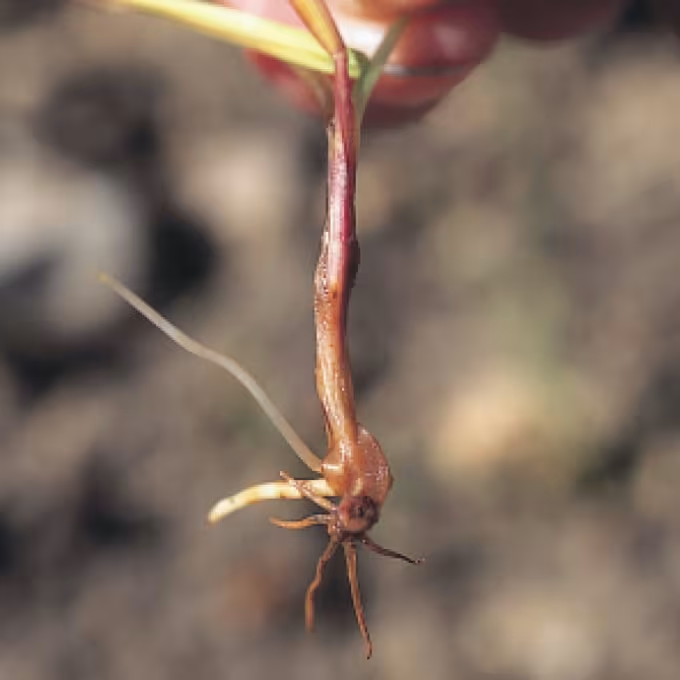
Description
Symptoms
The primary symptom is a general lack of vigor in the plant. Infected crops often appear stunted, exhibit leaf yellowing, and show signs of wilting even when soil moisture levels are adequate.
When the root system is examined, the most characteristic sign is a dark, soft, and mushy decay. The roots lose their firmness and often turn brown or black as the tissue rots away.
A distinctive feature of Pythium infection is the easy detachment of the outer root cortex. If you gently pull on the roots of an infected plant, the outer layer slips off, leaving behind a thin, dark vascular core.
In seedlings, the pathogen causes damping-off. This manifests as a thin, shriveled stem at the soil line, which causes the seedling to collapse and die rapidly after germination.
In established plants, the reduction of the root system impairs the plant's ability to absorb water and nutrients, leading to decreased fruit set and poor overall yield quality.
Pathogen
The disease is caused by the oomycete Pythium rostratum. Although often referred to as a fungus, it is technically a water mold that belongs to the kingdom Chromista, which explains its unique life cycle requirements.
The pathogen survives in the soil primarily through oospores, which are thick-walled resting structures. These oospores are exceptionally resilient to cold, heat, and desiccation, allowing the disease to persist for years.
Under moist conditions, the oospores germinate to produce zoospores. These motile spores possess flagella, allowing them to swim through the soil water film to reach the target root surface.
Once the zoospore encysts on the root tissue, it germinates to form hyphae. These hyphae secrete enzymes that break down cell walls, allowing the pathogen to penetrate and feed on the plant's nutrients.
The species name rostratum refers to the specific morphological structures the organism produces, which are essential for its successful colonization of the host's root system.
Conditions for development
Pythium rostratum is highly dependent on high moisture levels. Poorly drained soils, over-irrigation, or stagnant water significantly increase the risk of disease outbreak and spread.
Temperature is a key driver, with many Pythium species thriving in cool, damp soil conditions. However, the exact temperature range depends on the specific cultivar and environmental context.
Soil compaction exacerbates the condition by limiting oxygen availability. Roots subjected to anaerobic stress are significantly more susceptible to penetration and colonization by Pythium species.
Monoculture cropping practices foster the accumulation of the pathogen. Growing susceptible host plants year after year allows the population of oospores to reach economically damaging levels.
Contaminated equipment and irrigation water are major vectors for introduction. In greenhouses, recirculating water systems can spread zoospores from a single plant to the entire crop within days.
Why it matters
The economic impact of Pythium root rot is substantial, primarily due to the high mortality rates of young seedlings. This often necessitates costly replanting efforts and delays the crop production cycle.
Chronic infection in adult plants limits their potential, resulting in lower yields and smaller fruit sizes. Such plants are less efficient and have a higher risk of total failure during heat stress.
The infection creates wounds that invite opportunistic pathogens. Secondary infections by bacteria or true fungi often follow Pythium, further destroying the roots and accelerating plant decline.
In commercial greenhouse operations, Pythium can result in total crop loss. The rapid spread of zoospores through water lines means an uncontrolled outbreak can destroy an entire production block.
Reduced crop quality impacts marketability. Produce from infected plants may show symptoms of nutritional deficiency or lack the required size, leading to lower prices and lost profit margins.
Protection
Cultural management is the first line of defense. Ensuring excellent soil drainage and avoiding excess water is critical to preventing the movement of zoospores in the soil environment.
Crop rotation remains a highly effective strategy. Alternating susceptible hosts with non-host crops helps to deplete the population of oospores in the soil over time.
Chemical control involves the use of specialized fungicides as seed treatments or soil drenches. These chemicals provide a protective window for the plant to establish a strong root system.
Biocontrol agents, such as specific strains of Trichoderma, can be used to colonize the rhizosphere and compete with Pythium, effectively reducing the impact of the pathogen.
- Implement sanitation protocols for greenhouse tools and pots.
- Use pathogen-free potting media for all nursery activities.
- Maintain optimal plant nutrition to improve natural root resilience.
- Regularly monitor water sources for signs of contamination.
Discussion
No discussions yet — be the first.