
Pythium oligandrum
Pythium oligandrum
Description
Pathogen
Pythium oligandrum is a soil-dwelling oomycete that serves as a highly effective mycoparasite rather than a plant pathogen. It is widely recognized in agriculture for its ability to suppress various phytopathogens.
Unlike pathogenic members of the Pythium genus, P. oligandrum feeds on other fungi and oomycetes. It actively searches for and attacks the hyphae of harmful species in the soil environment.
The biocontrol mechanism involves the production of hydrolytic enzymes that break down the cell walls of competing fungi. This leads to the lysis of pathogens, neutralizing them before they reach the host plant.
It colonizes the rhizosphere efficiently, establishing a stable presence around the roots. It is considered safe for agricultural crops and poses no threat to the vitality of plants.
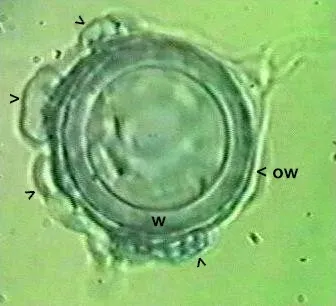
The organism survives in the soil through the formation of robust oospores, which remain dormant until favorable conditions or target pathogens are detected in the vicinity.
Conditions for development
The proliferation of Pythium oligandrum is favored by adequate soil moisture and moderate temperatures. It thrives in conditions that are typically common for most crop production systems.
It prefers environments rich in organic matter and is stimulated by root exudates, which provide the nutrients necessary for rapid colonization and competitive growth in the rhizosphere.
Soil pH levels influence its distribution, although the organism shows significant adaptability. It performs best in soils where biological activity is already supported by organic farming practices.
The use of synthetic pesticides may limit the population of this beneficial oomycete. Therefore, timing of application is crucial when integrating it into standard chemical programs.
For successful establishment, a steady presence of host fungi or organic substrates is beneficial, as it sustains the population density needed for effective biocontrol.
Why it matters
Pythium oligandrum is strictly non-pathogenic to plants. It does not damage roots, stems, or foliage, and it plays a critical role in promoting plant health by creating a disease-suppressive soil.
There is no risk of it causing "damping-off" or root rot. Instead, it is specifically used to prevent these conditions by outcompeting the organisms that typically cause them.
Extensive scientific trials have confirmed its safety for various horticultural and field crops. It is widely accepted as a safe tool for sustainable and organic cultivation methods.
It does not produce toxins harmful to animals or humans, making it an environmentally friendly alternative to traditional fungicides.
Its "harm" is directed exclusively at the fungal competitors that threaten plant survival, effectively shielding the crop throughout the critical early growth stages.
Protection
Effective management using Pythium oligandrum involves applying formulated products containing oospores. These are typically applied as a prophylactic treatment for seeds or soil.
The integration of this biocontrol agent into farm management includes:
- Seed treatment to ensure immediate protection of emerging seedlings.
- Soil drenching in greenhouses to prevent root pathogens in young transplants.
- In-furrow application during planting to maintain a healthy rhizosphere.
This strategy significantly reduces the dependency on chemical fungicides for managing common soil-borne diseases such as Phytophthora and Fusarium.
Consistent use over growing seasons helps maintain a stable population of the beneficial oomycete, ensuring long-term soil health and disease suppression in intensive farming systems.
Discussion
No discussions yet — be the first.