
Pythium root rot
Pythium myriotylum
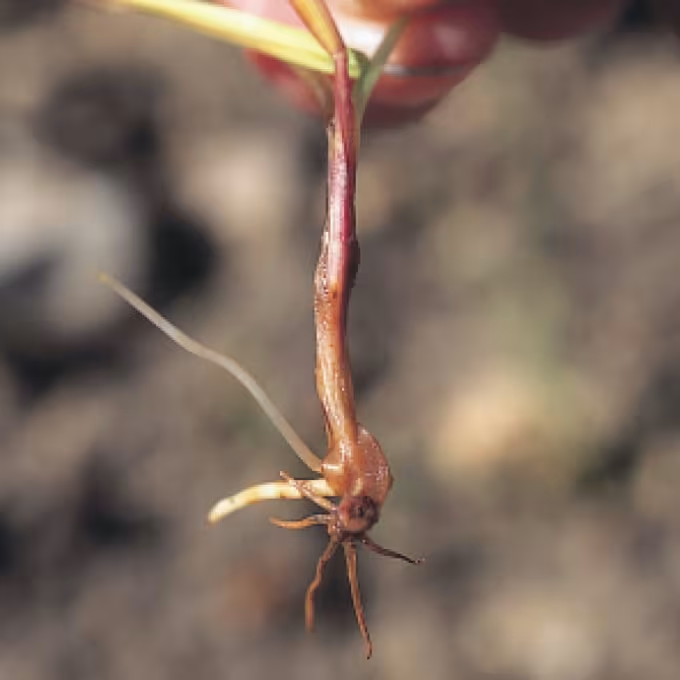
Description
Symptoms
The initial symptom is often sudden wilting during the hottest part of the day, with partial recovery occurring during the cooler night hours.
Root systems show signs of decay, appearing brown or black, and feeling soft or slimy due to the disintegration of the root tissue.
A classic diagnostic feature is the "sloughing off" of the outer cortical layer of the root, leaving only the thin, central vascular strand.
Foliage typically turns yellow, loses vigor, and eventually, the entire plant may collapse or die if the root system is sufficiently compromised.
Seedlings are particularly vulnerable, often displaying "damping-off" symptoms where the stems collapse at the soil line due to root rot.
Pathogen
The disease is caused by Pythium myriotylum, a destructive soil-borne oomycete pathogen capable of persisting in the soil for extended periods.
It is not a true fungus but an oomycete, which uses motile zoospores to navigate through water-saturated soil to infect host roots.
The pathogen primarily attacks the root system, colonizing the tissue and obstructing the vascular system, which results in the wilting of the plant.
The life cycle involves the production of resilient oospores, which allow the pathogen to survive harsh environmental conditions in the soil.
Transmission occurs primarily through contaminated soil, water runoff, or infected gardening equipment that carries the zoospores or mycelial fragments.
Conditions for development
Unlike some other Pythium species, Pythium myriotylum thrives in warm soil temperatures, making it a major concern in warm-season crops.
Excessive soil moisture is the primary driver of disease development, as saturated soils facilitate the movement of zoospores to the roots.
Poor soil aeration caused by compaction or heavy clay content creates a favorable environment for the pathogen to flourish.
High humidity and poor air circulation in greenhouses can exacerbate the spread of the disease among closely planted crops.
Continuous cropping of susceptible species in the same area leads to a buildup of the pathogen, significantly increasing disease pressure over time.
Why it matters
The pathogen causes severe economic losses by wiping out young seedling populations, necessitating costly replanting efforts.
In established plants, root damage leads to reduced nutrient and water uptake, resulting in stunted growth and significant yield loss.
Crop quality is severely affected as plants prioritize survival over reproductive or vegetative growth, leading to smaller or deformed produce.
The presence of the disease limits the grower's options, often forcing a switch to less profitable, resistant crop varieties.
The long-term persistence of oospores makes the infested soil difficult to manage, requiring intensive and repeated sanitation efforts.
Protection
Effective management begins with improving soil drainage to prevent water accumulation, which is essential to inhibit zoospore activity.
Using sterile growth media and certified disease-free transplants are critical preventative measures in both greenhouse and field settings.
Regular sanitation of tools, pots, and greenhouse surfaces helps prevent the accidental transfer of the pathogen between cultivation zones.
Biological control agents, such as beneficial Trichoderma species, can be integrated into the management plan to antagonize the pathogen.
- Practicing crop rotation to break the pathogen life cycle.
- Monitoring soil temperature and avoiding excessive irrigation.
- Removing and destroying infected plant debris immediately.
- Applying authorized fungicides only when absolutely necessary.
Discussion
No discussions yet — be the first.