
Pythium megalacanthum
Pythium megalacanthum
Description
Symptoms
Symptoms of infection by Pythium megalacanthum are typically associated with poor nutrient and water uptake. Infected plants often exhibit wilting during the hottest parts of the day, followed by chlorosis and a noticeable decline in overall vigor.
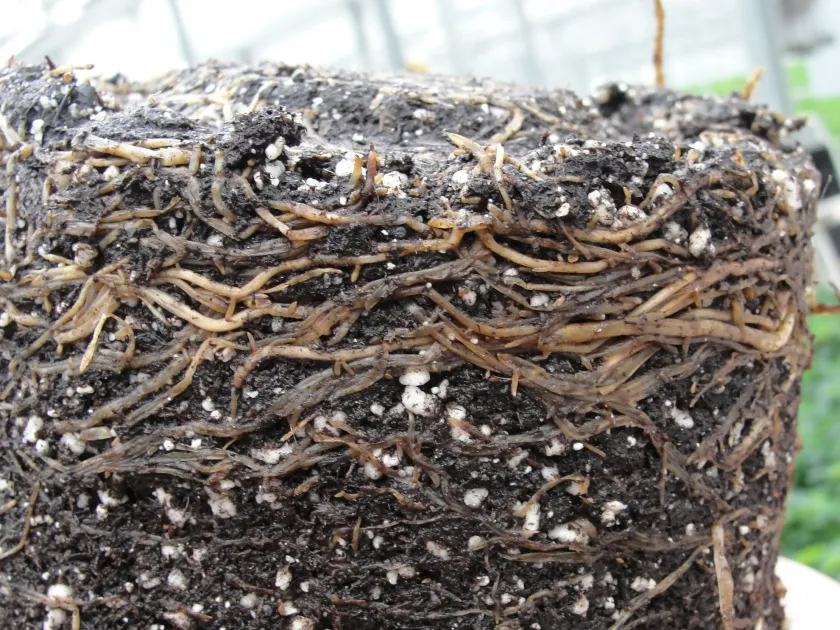
The root system is the primary target of the infection. Roots turn discolored, ranging from light brown to black. In advanced stages of disease, the outer cortex becomes necrotic and can easily slough off, leaving only the central vascular cylinder exposed.
Seedling blight, commonly known as "damping-off," is a classic symptom in young plants. The base of the stem becomes soft and water-soaked, eventually collapsing, which causes the seedling to topple over and die shortly after emergence.
Plants that do not succumb immediately may remain stunted throughout their lifecycle. Their foliage may turn yellow, and the root system will be severely underdeveloped, lacking the fine root hairs necessary for water absorption.
- Stunted growth and poor plant development.
- Water-soaked, brown, or mushy root tissues.
- Sloughing of the outer root cortex.
- Damping-off of seedlings.
- Wilting and chlorosis of foliage.
Pathogen
Pythium megalacanthum is an oomycete pathogen classified within the kingdom Chromista. Often colloquially referred to as a "water mold," it is a significant soil-borne organism responsible for severe root rot infections in various agricultural and horticultural crops.
The organism thrives in soil environments, functioning primarily as a facultative parasite. Its life cycle includes the production of zoospores, which are motile, flagellated structures capable of swimming through water films in the soil to locate host roots.
Once a suitable host is detected, the pathogen encysts on the root surface and penetrates the tissue. It secretes a variety of cellulolytic and pectinolytic enzymes that degrade plant cell walls, leading to the rapid decay of the root cortex.
Unlike true fungi, the cell walls of Pythium megalacanthum consist primarily of beta-glucans and cellulose. This biological distinction is crucial for selecting appropriate chemical treatments, as many standard fungicides effective against true fungi are ineffective against oomycetes.
The pathogen is highly persistent, capable of producing thick-walled resting structures called oospores. These allow the organism to survive adverse environmental conditions and remain viable in the soil for several years in the absence of a living host.
Conditions for development
Environmental conditions are the primary drivers of Pythium megalacanthum outbreaks. The pathogen is highly dependent on high moisture levels; saturated soils and poor drainage are the most common factors facilitating its proliferation.
Cooler soil temperatures, typically ranging from 12°C to 18°C, are often optimal for its development. These conditions frequently coincide with early spring plantings, making young seedlings particularly susceptible to early-season infection.
Heavy, compacted soils often harbor higher populations of the pathogen due to prolonged water retention. Reduced oxygen levels in the root zone (hypoxia) further compromise the host plant's resistance, allowing the pathogen to infect more easily.
In greenhouse settings, contaminated irrigation water is a frequent source of transmission. Because zoospores are mobile in water, a single contaminated reservoir can lead to a rapid spread of the pathogen across an entire production batch.
Poor sanitation practices, such as the reuse of dirty pots, trays, or substrate without sterilization, allow the pathogen to persist and re-emerge in subsequent crop cycles with increased intensity.
Why it matters
The primary economic impact of Pythium megalacanthum is reduced crop yield and, in severe cases, total loss of the harvest. The damage to the root system is often irreversible, limiting the potential of the plant even if environmental conditions improve.
In greenhouses, this pathogen can destroy entire crops of ornamental plants or vegetables within weeks. The cost of replacing crops, applying specialized fungicides, and disinfecting facilities places a significant financial burden on growers.
Infected plants suffer from chronic nutritional deficiencies, leading to poor fruit or flower quality. This reduces the marketable value of the product, as the plants fail to reach standard size or meet quality benchmarks.
Furthermore, plants weakened by this root pathogen become highly susceptible to secondary infections by bacteria and opportunistic fungi, further complicating the clinical picture and making disease management significantly harder.
The ability of the pathogen to survive in the soil makes it a long-term problem for field production. Once established, it dictates strict limitations on crop selection, often forcing farmers to implement lengthy rotations with non-host species.
Protection
Management starts with rigorous sanitation. All growing media, trays, and tools should be sterilized. In hydroponic systems, the use of UV sterilization or ozone treatment for irrigation water is highly effective against zoospores.
Proper drainage is the single most important agronomic control measure. Implementing raised beds, using well-aerated substrates, and avoiding over-irrigation can significantly minimize the risk of infection.
The use of biological control agents, such as Trichoderma harzianum, has shown promise in protecting roots by competing with the pathogen for space and nutrients, as well as by direct mycoparasitism.
When chemical intervention is necessary, growers should target oomycetes specifically. Fungicides containing active ingredients like metalaxyl, mefenoxam, or phosphites are standard practice for managing Pythium species in intensive production systems.
Monitoring the health of the root system throughout the growing season is vital. Early identification of symptomatic plants allows for the removal of infected material before the pathogen can build up high populations in the soil or irrigation systems.
Discussion
No discussions yet — be the first.