
Pythium root rot
Pythium mamillatum
Description
Symptoms
Early symptoms often involve a general lack of vigor and stunted growth. Infected plants may exhibit wilting during periods of high light intensity, as the damaged roots fail to supply sufficient water to the canopy.
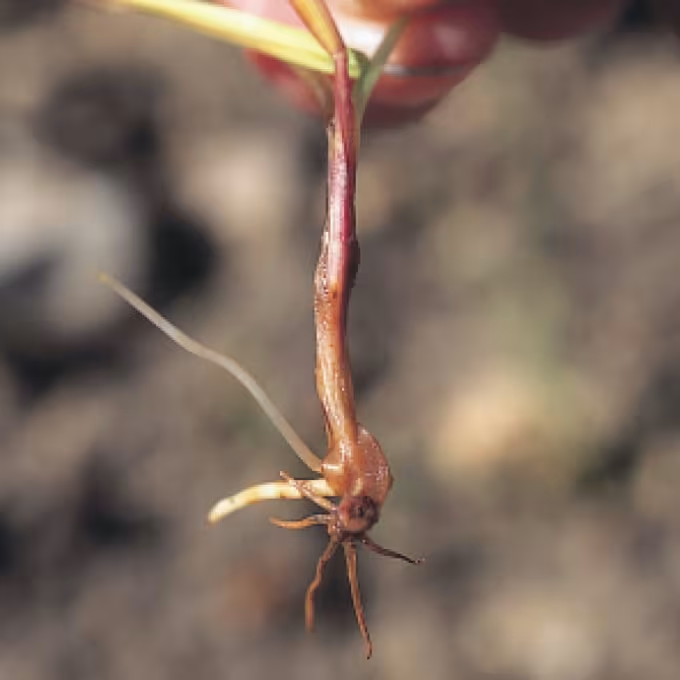
A hallmark sign of the infection is the browning and softening of the root system. The outer layers of the roots (cortex) become mushy and can be easily stripped away from the inner woody cylinder.
In seedlings, the pathogen commonly causes "damping-off." This involves the rapid decay of the hypocotyl at the soil line, resulting in the sudden collapse and death of the plant shortly after emergence.
Yellowing (chlorosis) of the lower leaves is a common diagnostic feature as the infection progresses. This is essentially a nutritional deficiency symptom triggered by the inability of the compromised roots to absorb soil minerals.
- Stunted plant growth
- Sudden wilting under heat
- Browning and decay of lateral roots
- Collapse of seedling stems (damping-off)
- Reduced root system volume
Pathogen
The disease is caused by the soil-borne oomycete Pythium mamillatum. Unlike true fungi, oomycetes possess specific biological features that allow them to thrive in aquatic and saturated environments.
The pathogen exists primarily as oospores, which are thick-walled resting structures. These oospores can remain dormant in the soil or crop debris for long periods, resisting desiccation and temperature fluctuations until conditions become favorable.
Upon hydration, the pathogen produces motile zoospores. These spores utilize flagella to swim through soil moisture films, chemically sensing and migrating toward the root exudates of host plants.
Pythium mamillatum has a broad host range, impacting various vegetable, grain, and ornamental species. It primarily attacks the root hair zone, causing necrosis and disrupting the plant's nutrient and water uptake mechanisms.
As a primary colonizer, it weakens the plant's natural defenses, which frequently facilitates secondary infections by opportunistic bacteria and other fungal species, leading to severe root system destruction.
Conditions for development
Excessive soil moisture is the primary driver of Pythium infections. Water-saturated conditions not only favor the mobility of zoospores but also induce plant stress by creating anaerobic conditions in the root zone.
The pathogen is known for its ability to infect at cooler soil temperatures, making it particularly troublesome for early-season plantings where the soil remains damp and cool for extended periods.
Poor soil structure and compaction hinder proper aeration. Roots in compacted soils with poor drainage are significantly more susceptible to Pythium attack due to impaired respiration and weakened defense mechanisms.
High plant density and inadequate ventilation in greenhouse environments are conducive to disease outbreaks. These conditions prevent the surface of the growing media from drying out, facilitating the movement of pathogens between pots.
Contaminated water sources, such as ponds or surface runoff, serve as a major vector for spreading the pathogen across agricultural landscapes, introducing the fungus to previously clean production areas.
Why it matters
The most immediate harm is the rapid loss of seedling stands, which results in significant economic losses due to the need for replanting and potential delays in the growing season.
For mature crops, the damage is characterized by lower yields and poor product quality. The inability of the root system to function correctly leads to nutrient deficiencies, reducing the size and market value of the produce.
Post-harvest issues are frequently exacerbated by Pythium root rot. Vegetables harvested from infected fields often show poor shelf life and susceptibility to various storage rots, causing further financial setbacks.
The persistent nature of oospores means the pathogen establishes an infectious reservoir in the soil. This complicates subsequent cropping cycles, often forcing the shift to less profitable or resistant crops.
Total crop failure may occur in high-pressure scenarios, particularly in fields with heavy clay soils or improper irrigation management during sensitive growth stages.
Protection
Cultural management is the first line of defense, focusing on improving drainage and soil aeration. Raising beds and utilizing well-draining potting mixes are essential strategies for mitigating disease risk.
Effective crop rotation is crucial for breaking the disease cycle. Avoiding susceptible crops for several seasons helps lower the concentration of resting oospores in the soil profile.
Biological control agents, particularly specific strains of Trichoderma and Bacillus, are increasingly used to colonize the rhizosphere and compete with Pythium, providing a natural protective barrier.
Chemical control involving fungicides targeting oomycetes can be applied as a seed treatment or a soil drench. These measures are most effective when integrated into a broader disease management program.
Strict sanitation protocols, such as cleaning equipment and removing infected plants along with the surrounding soil, are vital to preventing the spread of the pathogen to non-infested parts of the field or greenhouse.
Discussion
No discussions yet — be the first.