
Pythium root rot
Pythium intermedium
Description
Symptoms
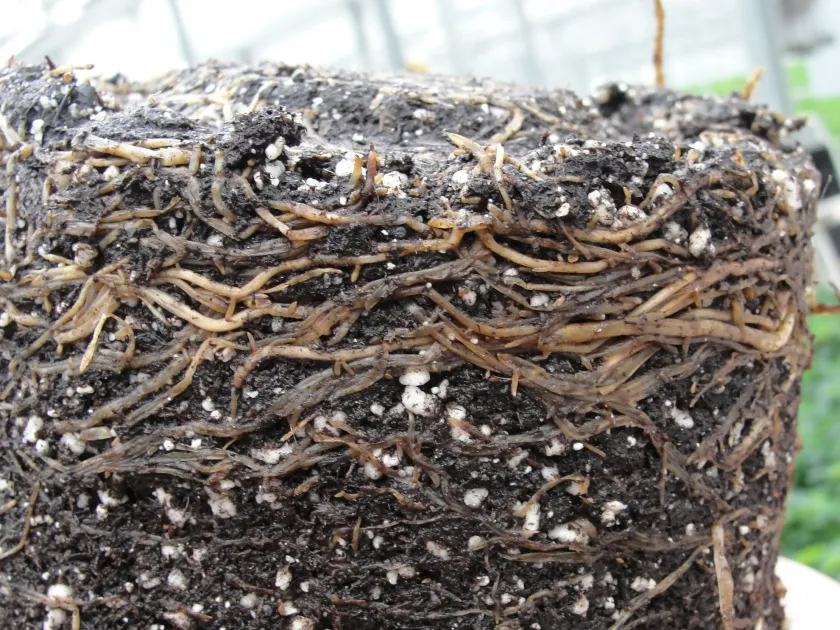
The most characteristic sign of Pythium intermedium infection is the browning and softening of the root system. Roots that should be white and firm become slimy, discolored, and easily detached from the plant structure.
Seedlings affected by this pathogen often exhibit "damping-off," where the stem at the soil line becomes thin, soft, and necrotic, causing the plant to topple over. This often occurs in patches within a nursery tray.
Above-ground, plants show signs of severe water stress, such as wilting during the day, even if the soil remains moist. Over time, lower leaves may turn yellow and wither as the root system fails to supply water and nutrients.
When investigating the roots, the outer cortex is easily sloughed off, leaving behind a thin, darker central cylinder. This indicates that the vascular system has been compromised by the oomycete's enzymatic action.
- Stunted plant growth
- Leaf chlorosis and necrosis
- Soft, mushy root tissues
- Loss of structural integrity in roots
- Presence of mycelial mats in high humidity
Pathogen
The causal agent of this disease is Pythium intermedium, a soil-borne oomycete often associated with significant agricultural damage. Although related to true fungi, these organisms follow distinct biological life cycles characterized by the production of swimming zoospores.
Pythium intermedium survives in the soil through the formation of thick-walled oospores. These resilient structures remain dormant in the environment for several years, ensuring the pathogen's persistence even in the absence of suitable host plants.
The pathogen utilizes chemotaxis to identify root exudates from host plants. Once detected, the zoospores swim through the soil moisture toward the roots, encyst, and infect the plant tissue, often within just a few hours under optimal conditions.
It exhibits a wide host range, affecting everything from nursery seedlings to mature ornamental and vegetable crops. The aggressive colonization of the rhizosphere is a defining biological characteristic of this species.
Environmental dispersal occurs primarily through infected soil, contaminated irrigation water, and infected tools. Its ability to rapidly multiply during wet conditions makes it a major concern for greenhouse management and field production.
Conditions for development
The development of Pythium intermedium is highly dependent on high moisture levels. Waterlogged or poorly drained soils create an aquatic environment that facilitates the motility and dispersal of zoospores throughout the root zone.
While the pathogen is active in moderate temperatures, it maintains a broad temperature tolerance, allowing it to remain infectious in both cool spring conditions and warm greenhouse environments. It is seldom limited by typical seasonal temperature fluctuations.
Soil compaction or over-irrigation reduces oxygen availability in the root zone. Such anaerobic conditions weaken the plant's natural defense mechanisms, making it significantly more susceptible to infection by the pathogen.
The use of unsterilized soil or contaminated organic amendments, such as improperly composted manure, provides a direct pathway for the introduction of Pythium into new areas of cultivation.
Continuous cropping of susceptible varieties without adequate rotation leads to the buildup of inoculum. Over time, the soil becomes highly conducive to rapid disease outbreaks, necessitating intensive management.
Why it matters
The primary harm caused by Pythium intermedium is the destruction of young roots, leading to plant collapse and total crop loss in severe cases. This forces farmers to perform costly replanting and disrupts production schedules.
In mature crops, the pathogen causes chronic yield suppression. Plants may survive but exhibit significant reductions in fruit or flower quality, directly impacting the profitability of the agricultural operation.
By damaging the roots, the pathogen provides entry points for secondary bacterial or fungal infections. These opportunistic pathogens can rapidly degrade the plant, turning a localized infection into a total systemic collapse.
Greenhouse operations are particularly vulnerable, as the pathogen can spread through recirculating irrigation systems. A single infected plant can quickly contaminate a vast number of healthy crops.
Management costs represent a significant burden, including the need for specialized fungicides, increased sanitation protocols, and the potential loss of entire batches of crops due to quarantine or unmarketable quality.
Protection
Successful management begins with robust sanitation. This includes using sterilized potting mixes, disinfecting greenhouse benches, and ensuring all tools are cleaned to prevent the transfer of contaminated soil.
Proper irrigation management is vital. Improving soil drainage and ensuring that plants are not left in standing water are the most effective non-chemical ways to minimize the risk of zoospores moving toward the roots.
The application of biological control agents, such as beneficial fungi like Trichoderma species, can help suppress Pythium activity in the rhizosphere by outcompeting the pathogen for space and nutrients.
When necessary, systemic fungicides specifically targeting oomycetes should be used. However, these should be applied as part of an integrated program to prevent the development of resistance in the pathogen population.
Crop rotation and the use of resistant rootstocks are essential strategies in field agriculture. Monitoring soil moisture levels and ensuring plant health through balanced nutrition helps the plant withstand potential low-level pressure from the pathogen.
Discussion
No discussions yet — be the first.