
Pythium root rot
Pythium debaryanum
Description
Symptoms
The primary symptom is the rapid browning and soft rot of the stem base in young seedlings. This condition, commonly known as "damping off," causes the seedlings to collapse and die shortly after emergence.
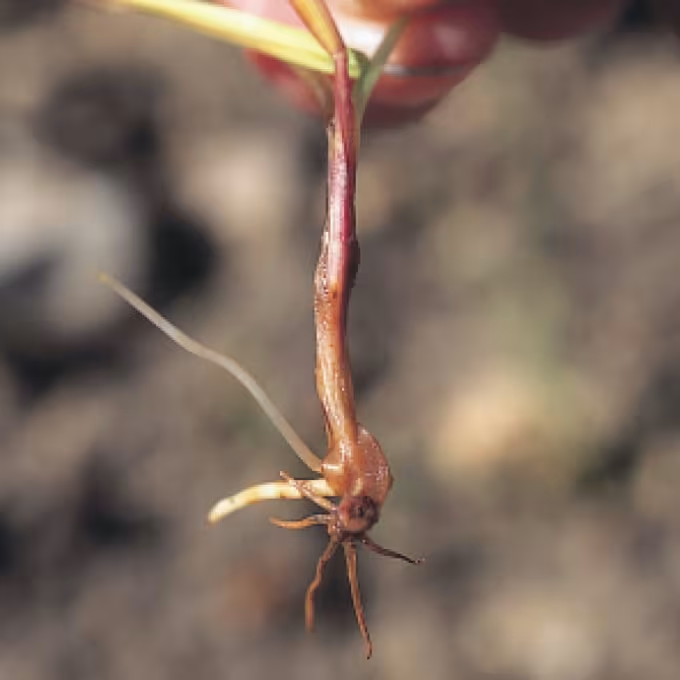
Roots of infected plants typically display a dark brown to black discoloration and become slimy to the touch. Fine root hairs disappear entirely, and the primary roots show signs of significant degradation.
Above-ground symptoms often manifest as sudden chlorosis and wilting. Plants may appear stunted and exhibit a yellowing of the foliage, as the damaged root system can no longer sustain healthy growth.
Under high humidity, one may observe a thin, white, cottony mycelial growth on the soil surface surrounding the base of the infected plant, which indicates active sporulation of the pathogen.
Large-scale infestations are identified by the formation of circular patches of dead or dying seedlings, leading to significant thinning of crop stands and drastic reductions in the overall plant population.
Pathogen
The causal agent of this disease is Pythium debaryanum, a soil-borne organism belonging to the class Oomycetes. It is characterized by its high resilience, surviving in the soil for extended periods as thick-walled oospores.
This pathogen has a wide host range, attacking various agricultural and horticultural crops. Young seedlings and delicate root systems of emerging plants are particularly vulnerable to the initial infection stages.
Transmission occurs through contaminated soil, infected plant residues, and irrigation water. The motile zoospores can actively navigate through water-saturated soil layers to reach and colonize the plant root system.
Upon reaching the host, the pathogen uses specialized enzymes to degrade plant cell walls. This necrotic process results in the rapid destruction of root tissues, compromising the plant's ability to transport water and essential minerals.
Pythium debaryanum can also thrive as a saprotroph, feeding on decaying organic matter in the soil. This trait allows the pathogen to remain viable in agricultural fields even in the absence of a living host plant.
Conditions for development
High soil moisture is the primary driver of Pythium development. Poor drainage and over-irrigation create the ideal environment for the activation of oospores and the movement of zoospores.
While the pathogen is most aggressive at temperatures between 15°C and 20°C, it remains capable of infecting plants across a wider range of conditions, especially when soil aeration is suboptimal.
Dense planting patterns and poor air circulation contribute to a buildup of humidity around the soil surface, providing the necessary microclimate for the fungus to spread from one seedling to another.
Soil nutrient imbalances, specifically excess nitrogen, can lead to the production of soft, succulent plant tissues. Such tissues are significantly more susceptible to penetration by the hyphae of the oomycete.
Repeated monoculture practices in the same area lead to a high concentration of inoculum in the soil. Without appropriate rotations, the pathogen population builds up, making it extremely difficult to prevent recurring damage.
Why it matters
The economic impact of Pythium root rot is significant, often necessitating complete reseeding of affected areas. This results in direct losses related to seed costs, labor, and valuable time lost during the planting season.
In cases where plants survive initial infection, they often suffer from long-term stunting and poor vigor. This leads to non-uniform maturity of the crop, complicating harvesting operations and reducing final yields.
Infected plants are inherently more vulnerable to secondary infections from other soil-borne pathogens, such as Fusarium or Rhizoctonia, which can capitalize on the weakened tissues to cause further mortality.
Product quality is also at risk; for fruit or vegetable crops touching the soil, the infection can cause post-harvest rot, significantly reducing the shelf life and marketability of the produce.
Agricultural operations that fail to manage Pythium risk widespread outbreaks that can jeopardize the profitability of the entire farm and contaminate previously healthy soil sectors via farm machinery.
Protection
Using high-quality, fungicide-treated seeds is the most effective proactive measure. Seed treatments protect the vulnerable germination stage from soil-borne inoculum and initial pathogen penetration.
Implementing effective drainage systems and careful irrigation management is critical. Ensuring that the soil remains moist but never waterlogged inhibits the primary mechanism of zoospore movement.
Crop rotation remains a fundamental strategy. Planting non-host species interrupts the life cycle of Pythium debaryanum, allowing the natural microbial population of the soil to reduce the pathogen's load over time.
For high-value greenhouse crops, soil pasteurization or steam treatment are effective methods to eradicate spores before starting the new season, ensuring a sterile environment for young seedlings.
- Promptly remove and destroy infected plant debris.
- Use organic amendments that promote beneficial soil microorganisms like Trichoderma.
- Avoid excessive nitrogen fertilization to prevent overly soft growth.
- Maintain optimal soil aeration through regular cultivation.
Discussion
No discussions yet — be the first.