
Pythium root rot
Pythium attrantheridium
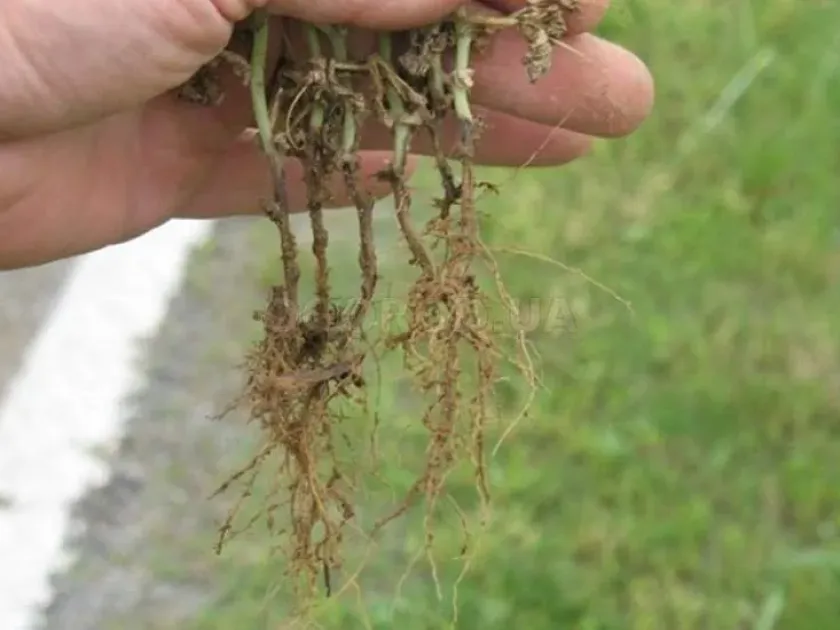
Description
Symptoms
The initial signs of infection are often subtle, presenting as a reduction in plant vigor and temporary wilting during periods of peak sunlight.
As the infection progresses, the root system begins to turn brown, becoming soft and mushy due to the extensive tissue decay caused by the oomycete.
A diagnostic characteristic is the sloughing off of the root epidermis, leaving the inner vascular cylinder exposed as a thin, string-like structure.
In young seedlings, the pathogen commonly causes "damping-off," where the hypocotyls shrivel at the soil line, resulting in the collapse of the plant.
Stunted development, yellowing of foliage, and necrosis of the lower leaves are secondary symptoms that reflect the plant's inability to uptake water and nutrients.
Pathogen
The disease is caused by Pythium attrantheridium, a soil-borne oomycete pathogen known for its ability to devastate root systems of various plant species.
This pathogen persists in the environment by forming long-lived oospores, which are dormant resting structures capable of surviving severe environmental stress.
During favorable moisture conditions, these oospores germinate to produce zoospores that swim through the soil water films toward the roots.
Once they reach the root surface, they encyst and penetrate the host tissue, using specialized enzymes to degrade plant cells and extract nutrients.
The pathogen's life cycle is highly dependent on aquatic environments, making water management a key component of its biology and control strategies.
Conditions for development
Excessive soil moisture is the primary driver for the development and rapid spread of Pythium attrantheridium in both fields and greenhouses.
Poorly drained soils or substrates with inadequate aeration provide the anaerobic conditions that favor the pathogen's activity and zoospore motility.
Optimal infection rates occur within moderate temperature ranges, typically between 15°C and 22°C, which are common in many agricultural settings.
High plant density and limited air circulation prevent the soil surface from drying, maintaining the high humidity required for successful pathogen transmission.
Contaminated equipment, tools, and irrigation water serve as the main vectors for introducing this pathogen into previously healthy production areas.
Why it matters
Pythium root rot can cause significant economic losses by killing seedlings outright and reducing the overall growth rate of established crops.
The damage to the root cortex severely impairs the plant's capacity to absorb nitrogen, phosphorus, and potassium, leading to severe nutritional deficiencies.
Widespread outbreaks can devastate entire batches of greenhouse production, necessitating full sanitation and replacement of contaminated growing media.
Plants weakened by Pythium are highly susceptible to secondary attacks by other opportunistic soil fungi and bacteria, leading to complex root rot syndromes.
The persistence of the pathogen in the soil complicates long-term crop rotation plans, as susceptible crops remain at risk for several growing seasons.
Protection
The most effective strategy involves strict irrigation management to ensure that soil moisture does not reach levels conducive to oomycete activity.
Sanitation practices such as cleaning tools, containers, and irrigation systems are critical to preventing the movement of the pathogen between zones.
The application of biological control agents, particularly beneficial fungi like Trichoderma species, helps protect the root zone from colonization.
Incorporating organic matter and improving soil structure enhances the general health of the rhizosphere, making plants more resilient to potential infections.
- Use of high-quality, pathogen-free seeds;
- Implementation of raised beds to improve drainage;
- Regular monitoring of root health in sensitive crops;
- Strategic application of targeted fungicides;
- Efficient crop rotation with non-host plant species.
Discussion
No discussions yet — be the first.