
Pyronemataceae
Pyronemataceae
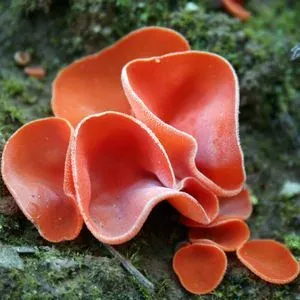
Description
Symptoms
The most recognizable sign is the appearance of vibrant pink, orange, or greyish disc-like structures forming on the soil surface.
Seedlings may appear stunted or show signs of nitrogen deficiency as the fungal network intercepts resources in the topsoil layer.
A white, thread-like mycelium may be observed spreading across the potting mix, sometimes forming a thin crust that interferes with water infiltration.
Young plants may exhibit discoloration at the base of the stem, often indicating that the soil environment is heavily colonized by the fungus.
A distinctive earthy or musty odor is often present in areas where the fungus has reached its peak stage of sporulation.
Pathogen
Pyronemataceae is a large family of fungi within the order Pezizales, known for their distinct cup-shaped fruiting bodies known as apothecia.
While many species are saprotrophic, acting as decomposers, their presence in greenhouse soils can become problematic for young, delicate crop seedlings.
The most common representative in nursery environments is Pyronema omphalodes, which frequently colonizes pasteurized or organic-rich greenhouse soil.
These fungi develop mycelial mats that can grow rapidly across the surface of the growing medium, competing with plants for water and nutrients.
They disperse through airborne ascospores, which are highly resilient and can easily contaminate new batches of seed starting trays.
Conditions for development
Development is primarily driven by high moisture levels and a lack of proper air circulation within the controlled environment of a greenhouse.
The use of soil mixes with high levels of uncomposted organic matter, such as raw manure or wood shavings, provides an ideal substrate for their growth.
Temperatures ranging from 18°C to 25°C facilitate rapid colonization of the surface media by the fungal mycelium.
Poorly drained containers that stay saturated for extended periods prevent oxygen from reaching the soil, favoring these fungal communities.
Neutral to slightly acidic growing conditions promote faster spore germination and the development of visible fruiting bodies.
Why it matters
Competition for essential nutrients, particularly nitrogen and phosphorus, can severely limit the growth potential of sensitive vegetable seedlings.
Physical blockage of the soil surface by mycelial mats reduces gas exchange, leading to root suffocation and increased vulnerability to rot.
Disruption of the soil microbiome, where the fungus outcompetes beneficial organisms that protect plant roots from pathogens.
Reduced marketability of seedling trays due to the unsightly presence of fungal growth, which can lead to unnecessary commercial waste.
The risk of creating a micro-environment that encourages secondary infections, such as damping-off caused by more aggressive pathogens.
Protection
Cultural control is the most effective strategy, focusing on the use of sterile, high-quality potting media and consistent sanitation practices.
- Ensure proper ventilation to lower the humidity of both the air and the surface of the soil.
- Avoid overwatering and ensure containers have adequate drainage holes.
- Regularly stir or stir the top layer of the soil to break up potential mycelial networks.
- Use organic fertilizers that have been fully composted to avoid attracting saprotrophic fungi.
In cases of infestation, removing the top layer of the affected substrate and treating the area with biological fungicides can help stabilize the crop.
Cleaning all tools and benches with approved disinfectants is essential to prevent the spread of spores throughout the greenhouse facility.
Discussion
No discussions yet — be the first.