
Pyronema omphalodes
Pyronema omphalodes
Description
Symptoms
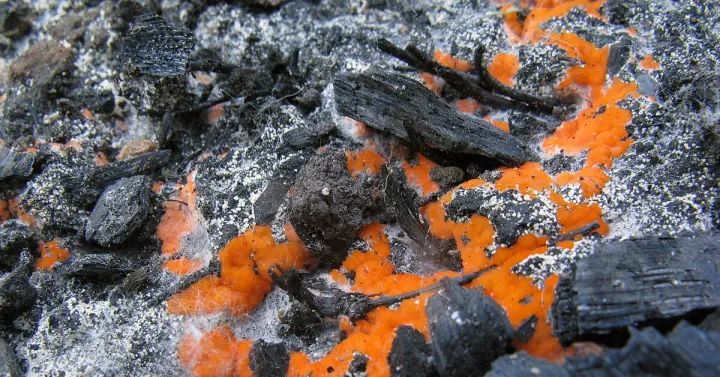
The primary symptom of infestation is the appearance of bright orange or pinkish disc-like structures on the surface of the soil. These reproductive bodies often form dense clusters that can cover large areas of the substrate.
In greenhouses, this is often noticed in seed trays or containers shortly after soil sterilization. The surface develops a fleshy, jelly-like layer that is quite distinct from other common molds like fuzzy grey rot.
Seedlings growing in affected trays often show signs of stunted growth or chlorosis. This is usually due to the fungus creating a physical barrier on the soil surface that hinders proper aeration and water absorption.
The fungal mat can become quite thick, preventing oxygen from reaching the plant roots. This lack of oxygenation is the main cause of the stress observed in the crops planted in infested soil.
Because the fungus is visible to the naked eye, it is relatively easy to identify. However, by the time the orange structures appear, the mycelium has already permeated the upper layers of the soil.
Pathogen
Pyronema omphalodes is an ascomycete fungus often classified as a pyrophilous organism, meaning it thrives in environments that have been exposed to high heat or fire.
It is not typically an aggressive parasite on plants, but it is considered a common colonizer of nursery substrates that have undergone steaming or chemical sterilization. By clearing the substrate of natural microflora, these treatments create a perfect niche for Pyronema to grow.
The biology of this fungus is centered on rapid colonization of available organic matter. Once established, it produces characteristic reproductive structures known as apothecia, which allow it to spread quickly via airborne spores.
The fungus is highly efficient at breaking down organic substances, which makes it dominant in sterilized soils where competitor organisms have been removed by heating processes.
While it does not feed on living plant tissues in the traditional sense, its presence alters the biological and physical properties of the soil, which indirectly affects the health of young seedlings grown in that environment.
Conditions for development
The most critical factor for the development of Pyronema omphalodes is the sterilization of the growing medium. Heating the soil destroys natural antagonists, leaving the field wide open for this species.
High humidity and poor ventilation are ideal environmental conditions for the fungus. In closed greenhouse systems, the spores spread rapidly if the air remains stagnant and moisture levels stay high.
The fungus prefers neutral to slightly alkaline pH levels in the substrate. Such conditions are frequently created after the application of certain fertilizers or after burning vegetable debris.
The presence of uncomposted or highly organic materials in the mix provides a ready food source for the mycelium, allowing it to colonize the surface much faster than seedlings can establish their roots.
Spore dispersal occurs through air currents, tools, and contaminated water. Once a single tray is infected, it can easily spread throughout the entire greenhouse production area if hygiene protocols are not followed.
Why it matters
The primary harm caused by this fungus is the competition for nutrients and space in the rhizosphere. By forming a dense layer on the surface, it effectively suffocates the root system of young plants.
By creating a barrier on the soil, it increases the risk of secondary infections. Damping-off pathogens often thrive in the same conditions, using the weakened state of the seedlings to cause lethal root rot.
Infestation leads to slower growth rates and reduced plant uniformity. For commercial growers, this means higher culling rates and lower marketable yield, leading to direct economic losses.
The physical presence of the fungus makes it difficult to maintain consistent soil moisture, as the mycelial mat can become hydrophobic or overly compact, affecting irrigation efficiency.
Continued growth of the fungus depletes the substrate of specific available nutrients, leaving the soil less fertile for the healthy development of the seedlings throughout the nursery stage.
Protection
Preventative measures are the most effective strategy. Avoid over-sterilizing substrates, or if steaming is necessary, ensure you inoculate the soil with beneficial microbes like Trichoderma species immediately afterward.
Biological control is highly effective against Pyronema. Introducing antagonistic fungi creates a natural defense that prevents the colonization of the substrate by unwanted pyrophilous species.
Proper management of irrigation and ventilation is essential. Maintain a drier surface layer by improving airflow in the greenhouse, which will significantly inhibit the development of the fungus.
Regular maintenance of the nursery environment, including cleaning trays and tools, prevents the build-up of spores. Always use high-quality, pre-tested substrates from reputable suppliers.
- Incorporate beneficial fungi into the soil mix.
- Ensure good greenhouse ventilation to lower relative humidity.
- Physically remove the top layer of infested substrate upon early detection.
- Improve soil aeration by adding perlite or other inert materials.
Discussion
No discussions yet — be the first.