
Light leaf spot
Pyrenopeziza
Description
Symptoms
Early symptoms include small, circular, pale grey or white spots on the leaves, which can be easily overlooked in the field.
A distinctive feature is the presence of concentric rings of black dots (acervuli) within the lesions, which are the fungal spore-producing structures.
As the disease progresses, leaves may yellow, wither, and drop prematurely, leading to severe defoliation of the crop canopy.
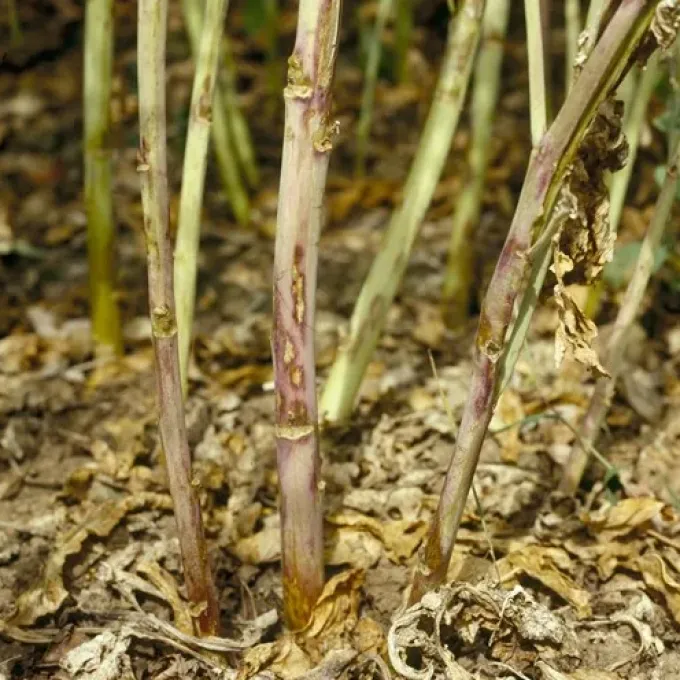
Stem infections appear as elongated, darkened lesions that may cause cracks in the stem surface, affecting nutrient transport.
Infection of pods leads to lesions that can result in premature pod ripening and seed shattering before harvest occurs.
Pathogen
The disease is caused by the ascomycete fungus Pyrenopeziza brassicae, which is a major pathogen of Brassica crops worldwide.
The asexual stage of this fungus is known as Cylindrosporium concentricum, which produces characteristic conidia responsible for secondary spread during the season.
The fungus overwinters on infected plant debris, producing apothecia (fruiting bodies) that release ascospores, starting the primary infection cycle.
It is a highly specialized pathogen that affects leaves, stems, and pods, significantly impacting the physiology of the host plant.
The pathogen thrives by exploiting host tissues throughout the entire growing season, making it a persistent threat to commercial rapeseed production.
Conditions for development
Cool and wet weather conditions are highly favorable for the development and spread of Pyrenopeziza brassicae.
Optimal temperatures for spore germination and infection range from 15°C to 20°C, often occurring during autumn and early spring in temperate regions.
High humidity and rainfall are essential for the dispersal of spores, which are typically spread by rain splash and wind within the canopy.
Dense crop stands with poor air circulation create an ideal microclimate for the pathogen to establish and multiply rapidly.
Continuous cropping of oilseed rape on the same land facilitates the buildup of soil-borne inoculum and increases disease pressure significantly.
Why it matters
Light leaf spot is one of the most damaging diseases of oilseed rape, potentially causing devastating yield losses if left uncontrolled.
The damage stems from a significant reduction in green leaf area, which limits the plant's ability to perform photosynthesis and fill seeds properly.
Stem lodging and premature senescence contribute to reduced crop vigor and lower overall seed quality, including oil content.
Losses in yield can vary greatly, but severe outbreaks have been known to cause reductions of 30% or more in commercial fields.
The indirect economic impact includes the increased cost of repeated fungicide applications and potential logistics challenges during harvest.
Protection
Integrated disease management is crucial, starting with the use of resistant or tolerant cultivars to minimize the risk of severe infection.
Crop rotation remains a fundamental practice to break the disease cycle and reduce the reliance on chemical control methods.
Timely application of systemic fungicides, based on field monitoring and risk assessment, is necessary to keep infection levels below the economic threshold.
- Eliminate volunteer oilseed rape plants that harbor the fungus.
- Maintain optimal plant spacing to promote airflow and decrease humidity.
- Apply fungicides during critical growth stages such as stem elongation.
Effective management requires a combination of cultural practices and precise timing of chemical interventions to protect the crop yield potential.
Discussion
No discussions yet — be the first.