
Puiggariella nemathora
Puiggariella nemathora
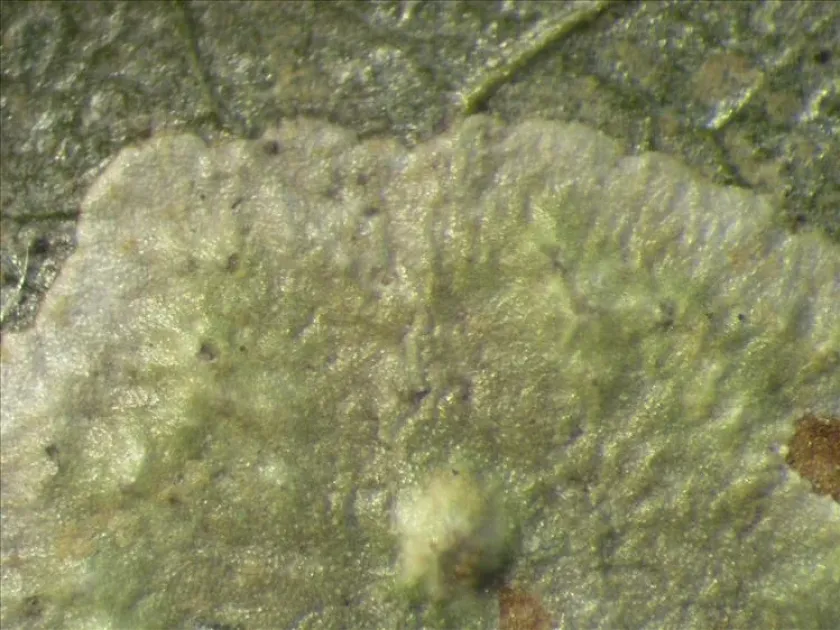
Description
Symptoms
The primary symptom of infection by Puiggariella nemathora is the appearance of distinct necrotic spots on the leaves, which expand and merge over time.
Affected tissues often show signs of discoloration, followed by chlorosis and, in advanced stages, tissue death and structural deformation of the leaf blades.
In conditions of high ambient humidity, a fine, powdery fungal growth may appear on the lesions, representing the pathogen's active sporulation stage.
Severe infestations lead to premature yellowing and leaf shedding, which significantly reduces the photosynthetic efficiency of the entire plant.
The development of depressed lesions on the stems can disrupt nutrient and water transport, leading to a general decline in the plant's health and vigor.
Pathogen
The disease is caused by the fungal pathogen Puiggariella nemathora, which specializes in colonizing the epidermal and cortical tissues of specific host plants.
This fungus exhibits a versatile life cycle, allowing it to adapt to various environmental conditions and successfully infect crops throughout the season.
Dissemination primarily occurs via wind-borne or water-splashed conidia, which can spread the infection across a field very rapidly.
The mycelium typically enters the host through natural openings like stomata or through mechanical wounds caused by tools or pest activity.
The pathogen is highly persistent, capable of surviving in plant debris or the soil surface, providing a constant reservoir for future infection cycles.
Conditions for development
High relative humidity levels, ideally exceeding 80 percent, are essential for the rapid germination and colonization process of the pathogen.
Temperatures ranging between 18 and 24 degrees Celsius create an optimal thermal environment for the metabolic activity and reproduction of this fungus.
Frequent rainfall or prolonged periods of morning dew significantly exacerbate the spread of the disease by providing the necessary moisture film for spore germination.
Poor ventilation within dense crop canopies traps moisture, facilitating a microclimate that strongly encourages the development of the fungal infection.
Low light intensity and suboptimal growing conditions stress the plants, making them considerably more susceptible to initial colonization by the pathogen.
Why it matters
The disease significantly lowers the market quality of the harvest, rendering the produce unsuitable for long-term storage or high-value sales.
Reduced photosynthetic capacity leads to a substantial decline in plant biomass, which ultimately results in lower yields and poor fruit development.
Epidemic outbreaks can cause yield losses of up to 50 percent, creating severe economic consequences for growers and agricultural producers.
Tissues weakened by the pathogen become highly susceptible to secondary attacks by opportunistic bacteria and other soil-borne or airborne fungi.
Managing the disease requires increased expenditures on chemical interventions and labor-intensive manual control measures, raising production costs.
Protection
Prevention begins with the selection of certified disease-free seeds and the utilization of resistant cultivars whenever possible.
Strategic crop rotation is essential to break the pathogen's life cycle and minimize the build-up of inoculum in the soil reservoir.
Proper field hygiene, including the deep plowing of crop residues, is a fundamental step in eliminating the primary overwintering sites for the fungus.
Application of fungicides should be performed at the early onset of symptoms to suppress the disease spread and protect healthy vegetative parts.
- Maintaining proper spacing to ensure adequate air circulation.
- Balanced nutrition to bolster the host's natural immunity.
- Sanitary pruning to remove and destroy infected plant parts.
Discussion
No discussions yet — be the first.