
Zoysia rust
Puccinia zoysiae
Description
Symptoms
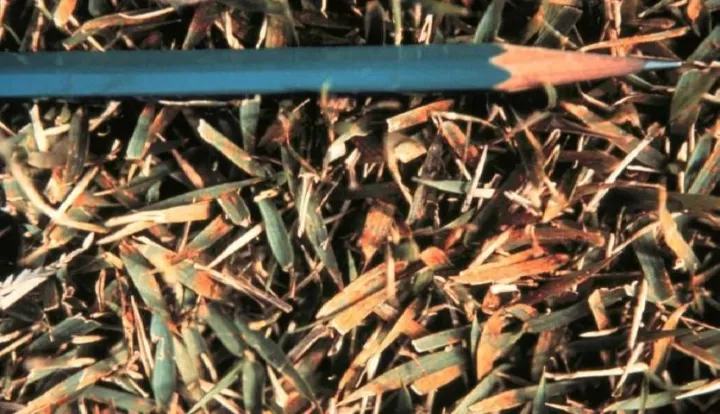
The first symptoms include small, chlorotic flecks on the leaf blades that gradually enlarge and break through the surface of the epidermis.
These ruptures reveal orange to reddish-brown pustules, which are characteristic signs of rust fungal activity containing masses of spores.
As the disease progresses, the leaf blades turn yellow, curl up, and eventually die, giving the lawn a dusty, off-color appearance.
Walking across an infected area often leaves a visible orange-red residue on shoes and clothing due to the high density of spores on the foliage.
Patchy discoloration across the turf is a common sign, indicating that the fungus has spread from its initial point of entry to larger areas.
Pathogen
The causative agent of this disease is the pathogenic fungus Puccinia zoysiae, a member of the diverse group of rust fungi (Pucciniales).
It is an obligate parasite that specifically infects Zoysia grass species, extracting nutrients directly from the living plant tissue to fuel its reproduction.
The fungus produces large numbers of urediniospores, which serve as the primary means of spreading the infection throughout the lawn area.
These spores can survive in dormant grass tissues or plant debris, waiting for optimal environmental triggers to initiate a new infection cycle.
Biological interactions between the fungus and its host often lead to severe physiological stress within the Zoysia grass blade.
Conditions for development
Zoysia rust thrives under conditions of high humidity and extended periods of dew or leaf wetness, which are essential for spore germination.
Temperatures ranging from 18 to 25 degrees Celsius create the perfect environment for the rapid development of fungal colonies.
Poor air circulation within the lawn canopy, often caused by overgrown grass or lack of thinning, significantly increases the risk of infection.
Nutritional imbalances, particularly low nitrogen levels, can weaken the grass, making it more susceptible to pathogenic attacks.
Insufficient sunlight, especially in shaded garden areas, often leads to prolonged moisture retention on leaves, fostering fungal spread.
Why it matters
Rust disease stunts the growth of Zoysia grass by disrupting photosynthesis and reducing the overall vitality of the turfgrass stand.
Repeated infections can significantly weaken the root system, making the lawn less resilient to drought, extreme temperatures, and foot traffic.
The aesthetic decline caused by the disease can be severe, leading to sparse, yellowish, and unsightly patches that detract from the landscape.
Severe cases may result in permanent thinning of the turf, necessitating costly overseeding or even full sod replacement to restore coverage.
Long-term harm includes increased vulnerability to secondary infections and weed invasion due to the reduced competitive ability of the grass.
Protection
The most effective strategy is to reduce the duration of leaf wetness by watering early in the morning, allowing the grass to dry during the day.
Regular mowing and removing grass clippings help to decrease the spore load and improve the overall airflow throughout the lawn.
If an outbreak occurs, applying a systemic fungicide specifically designed for rust control can prevent further spread and protect new growth.
Maintaining a healthy lawn through balanced fertilization and proper aeration is key to preventing the onset of Zoysia rust.
- Morning irrigation schedules
- Improvement of airflow and pruning
- Application of systemic fungicides
- Balanced fertilization practices
- Regular removal of lawn debris
Discussion
No discussions yet — be the first.