
Onion rust
Puccinia porri
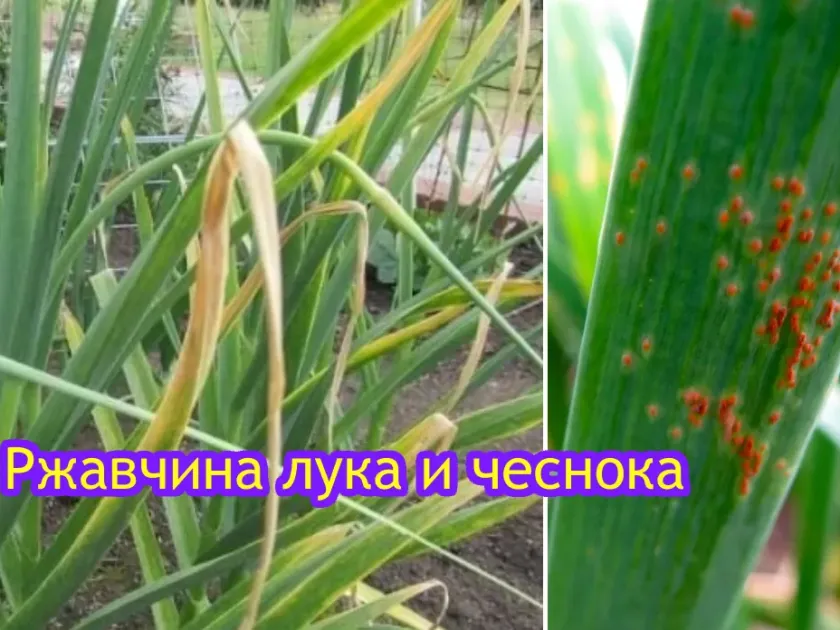
Description
Symptoms
Symptoms typically begin as small, pale yellow spots on the leaves. As the infection progresses, these spots develop into circular or elongated pustules that are rusty-orange to brown in color, characteristic of rust diseases.
These pustules eventually rupture the epidermis of the leaf, releasing a mass of dusty spores. Touching an infected leaf often leaves a rusty residue on the skin or clothing, which is a telltale sign of the presence of the pathogen.
In cases of severe infestation, the pustules become dense and cover large areas of the foliage. This leads to yellowing and premature wilting of the leaves, starting from the oldest foliage and moving progressively toward the younger parts of the plant.
Later in the season, particularly as conditions become less favorable or the plant matures, the pustules may transition into dark brown or black teliospores. These spores are robust and help the fungus survive harsh environmental conditions.
It is important to distinguish onion rust from other foliage diseases such as downy mildew. The presence of discrete, raised, powdery pustules distinguishes rust from the fuzzy or grayish lesions caused by other common fungal or oomycete pathogens.
Pathogen
The causal agent of onion rust is the fungus Puccinia porri. It is an obligate parasite that completes its life cycle on susceptible Allium species, relying entirely on the living tissues of its host to survive and reproduce.
The disease cycle involves several stages, with urediniospores playing a critical role in the rapid spread of the fungus during the growing season. The pathogen can also survive in soil on plant debris or in infected bulbs during the off-season.
Puccinia porri specifically targets members of the Amaryllidaceae family, including common onions, leeks, shallots, and chives. It is a widespread problem in both commercial agriculture and small-scale gardening.
Wind is the primary vector for spore dispersal, carrying them over long distances to new host plants. Upon landing on a leaf, if moisture conditions are met, the spore germinates and penetrates the leaf surface, establishing the mycelium inside the plant.
Due to its high adaptability, the pathogen can evolve and overcome standard control measures, making integrated pest management essential for sustainable control. Monitoring for resistant strains is a key aspect of modern agronomic practice.
Conditions for development
The development of onion rust is highly dependent on environmental conditions. It thrives in cool to moderate temperatures, typically between 15°C and 22°C, combined with high humidity or frequent rainfall.
Dense planting patterns that restrict airflow create a stagnant microclimate, which is highly conducive to fungal infection. Poor ventilation prevents the foliage from drying quickly, providing the necessary moisture for spore germination.
High nitrogen levels in the soil can result in lush, succulent growth that is more susceptible to fungal penetration. A balanced nutrient program that includes adequate potassium and phosphorus is essential for maintaining natural plant resistance.
Irrigation methods, particularly overhead sprinkling during cool weather or late in the day, can exacerbate the issue by keeping the foliage wet for extended periods. This moisture is essential for the fungal infection process to succeed.
Cloudy, misty, or foggy weather often triggers significant outbreaks. Even in the absence of heavy rain, high levels of atmospheric humidity or heavy morning dew can provide sufficient moisture to initiate and sustain a rust epidemic.
Why it matters
The primary impact of onion rust is the reduction of the leaf surface area available for photosynthesis. This severely stunts the plant's ability to produce energy, resulting in smaller, underdeveloped bulbs that do not reach marketable size.
In addition to reduced yields, the disease significantly impairs the quality of the harvested crop. Infected leaves dry out prematurely, leaving the plant vulnerable to storage rots and drastically reducing the overall shelf life of the onions.
When the disease hits crops grown for green onion leaves, the damage is immediate and often total. The presence of pustules and the associated wilting render the product unsightly and unmarketable for fresh consumption.
In perennial Allium species, such as chives or shallots, the disease depletes the plant's carbohydrate reserves. This weakens the root system, making the plants highly susceptible to winter kill and reducing their productivity in subsequent seasons.
Secondary infections often take hold in the weakened tissues damaged by the rust. This makes the crop prone to further degradation by bacteria and fungi, compounding the yield losses and complicating post-harvest management.
Protection
Effective management begins with strict crop rotation. Avoiding the cultivation of Allium crops in the same soil for at least 3-4 years breaks the cycle of the pathogen and significantly reduces the amount of inoculum present in the field.
Sanitation is a vital component of control. Removing and properly disposing of all plant debris after harvest prevents the fungus from overwintering in the soil. Deep plowing can also help bury infected material, encouraging rapid decomposition.
Chemical control involving systemic or contact fungicides is often necessary during heavy infection periods. Applications should be timed to coincide with the appearance of the first symptoms and follow local regulations for safe pesticide usage.
- Choose resistant or tolerant varieties where available.
- Ensure adequate spacing to allow for optimal airflow and leaf drying.
- Maintain balanced soil fertility to avoid excessive nitrogen-driven growth.
- Practice early and frequent monitoring of fields to detect disease onset.
Integrated strategies focus on preventative measures. Proactive management of the microclimate, including careful irrigation scheduling, reduces the frequency and severity of rust outbreaks, preserving both crop yield and quality.
Discussion
No discussions yet — be the first.