
Sedge rust
Puccinia dioicae
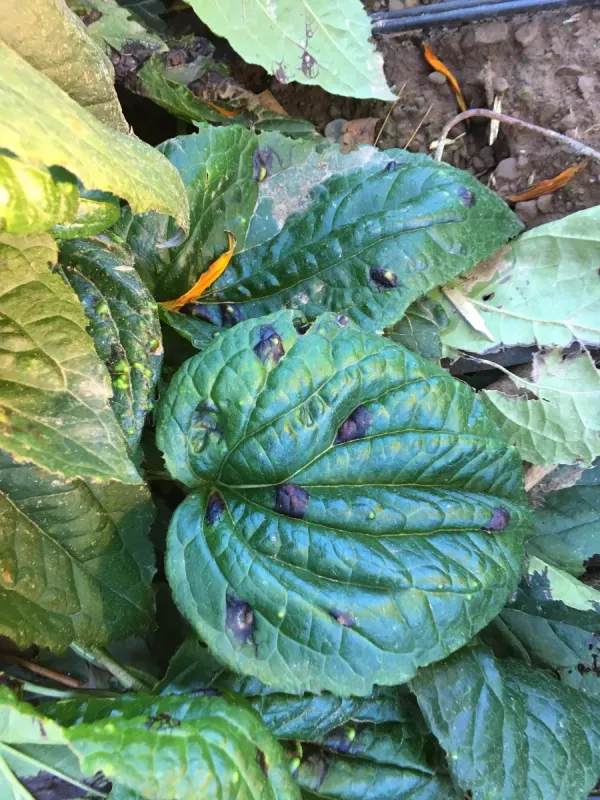
Description
Symptoms
The first signs of sedge rust include small, chlorotic spots on leaves and stems. As the infection progresses, these spots develop into raised pustules known as aecia or uredinia.
These pustules eventually rupture the host epidermis, releasing masses of powdery, rusty-orange to brown spores, which is the most characteristic visual symptom of the disease.
Heavily infected leaves exhibit severe yellowing, curling, and eventual necrosis, leading to a scorched appearance on the affected parts of the plant.
On alternate hosts, symptoms can manifest as hypertrophied or deformed tissues, especially on the underside of leaves, where the fungus produces its reproductive structures.
Early identification is crucial, as the dust-like spores can easily spread to adjacent healthy plants via wind, creating secondary infection points throughout the garden.
Pathogen
The causative agent of this disease is the rust fungus Puccinia dioicae. It is a highly specialized, heteroecious pathogen requiring two distinct host species to complete its life cycle.
The fungus develops its aecial stage primarily on species of sedge (Carex), while the uredinial and telial stages occur on various alternate hosts from different plant families.
The pathogen persists as a mycelium within the host tissues, particularly in the rhizomes of perennial sedges, allowing it to survive through winter and initiate new infections in the spring.
As a biotroph, the fungus extracts nutrients from the host cells via haustoria, which are specialized structures that penetrate the plant cell walls without killing the cells immediately.
The genetic diversity of Puccinia dioicae allows it to adapt to various environmental conditions, making it a persistent challenge in areas where both primary and alternate hosts coexist.
Conditions for development
Sedge rust thrives in cool, moist environments. High humidity levels above 85% and temperatures ranging from 15 to 22 degrees Celsius create an optimal atmosphere for fungal proliferation.
The presence of free water, such as dew, heavy fog, or frequent rainfall, is essential for spore germination and the successful penetration of the host's surface.
Poor ventilation within dense plant groupings traps moisture, significantly increasing the probability of disease development and spread among the sedge population.
Wind-driven spores can travel long distances, meaning that even isolated gardens can be infected if the pathogen is present in the surrounding landscape.
Environmental stress, such as waterlogging or nutrient imbalances, can weaken the host's natural defenses, making plants more susceptible to the initial fungal attack.
Why it matters
The primary impact of sedge rust is the significant reduction of the plant's photosynthetic capacity. This leads to stunted growth and a general decline in plant vigor.
Affected plants often struggle to store enough carbohydrates for winter dormancy, which may lead to reduced survival rates or poor emergence in the following growing season.
The aesthetic value of ornamental sedges is severely compromised, as the rusted foliage renders the plants unattractive and prone to premature leaf senescence.
In cases of severe infestation, the disease can cause a loss of biomass and weaken the competitive ability of the sedge in its natural habitat.
If the fungus spreads to alternate hosts of economic value, it can cause yield losses and necessitate intensive management interventions to protect the crop quality.
Protection
Cultural control is the first line of defense; removing and destroying infected plant debris is essential to reduce the inoculum level in the environment for the next season.
Implementing spatial isolation between known alternate hosts and sedge plantings can effectively disrupt the fungal life cycle and prevent the development of the rust.
Proper garden management, such as thinning out dense plantings to improve air circulation and avoiding overhead irrigation, helps keep leaf surfaces dry, preventing spore germination.
In cases where environmental conditions favor the disease, the application of fungicides, particularly those containing triazoles or strobilurins, can provide effective protection.
Selecting resistant cultivars or species of sedge is a sustainable long-term strategy to minimize the reliance on chemical treatments and maintain a healthy garden ecosystem.
Discussion
No discussions yet — be the first.