
Field psathyrella
Psathyrella agrariella
Description
Pathogen
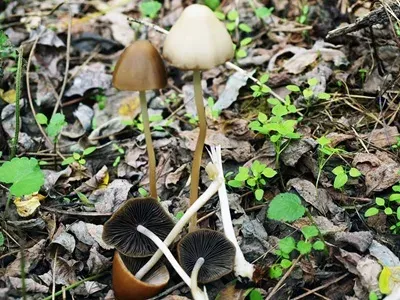
Field psathyrella (Latin: Psathyrella agrariella) is a small mushroom species belonging to the Psathyrellaceae family. While typically considered a saprotroph, it is frequently encountered in agricultural soils where organic matter management is poor.
The organism functions as a facultative parasite in certain conditions, colonizing the rhizosphere of plants. It is not a primary pathogen for most crops, but it acts as a competitor that can weaken young plant tissues.
Transmission occurs through spores that travel via wind, irrigation water, or on contaminated farm equipment. Once in the soil, the mycelium spreads rapidly, utilizing enzymes to break down organic components.
Biologically, the fungus is characterized by delicate, fragile fruiting bodies. These emerge during moist periods, serving as a sign that the underground mycelial network is well-established.
From an agronomic perspective, its presence is a diagnostic indicator. It highlights high moisture levels and an accumulation of decomposing organic material, signaling a need for improved soil sanitation.
Conditions for development
High soil moisture is the primary driver for the development of Psathyrella agrariella. It thrives in conditions where humidity levels remain consistently high, particularly in the topsoil layers.
Optimal temperatures for mycelial growth range between 15°C and 22°C. These moderate temperatures, combined with damp conditions, allow the fungus to colonize rapidly.
Soil enriched with raw or improperly decomposed organic waste is a major attractant. Heavy manure application without prior composting provides a perfect substrate for the fungus to multiply.
Poor soil aeration and lack of drainage create an environment where the fungus can dominate over beneficial soil microorganisms, leading to a localized imbalance in soil health.
In greenhouse environments, restricted airflow and high humidity allow the fungus to proliferate across large areas, making it difficult to control without adjusting the microclimate.
Why it matters
While field psathyrella is not a major plant killer, it contributes to stunted growth in seedlings by competing for essential nutrients like nitrogen and phosphorus within the root zone.
The fungus may release metabolic byproducts that stress the root system, making young plants more susceptible to secondary infections by more aggressive soil pathogens.
Root damage caused by the fungus disrupts the plant's ability to take up water efficiently, leading to temporary wilting even when irrigation is sufficient.
In greenhouses, the appearance of mushrooms is a sign of poor hygiene, which can lower the market value of the crop and indicate a risk of other, more harmful diseases developing.
- Reduction in seedling emergence rates due to nutrient competition.
- Increased vulnerability to secondary root-rotting pathogens.
- General suppression of plant vigor throughout the growing season.
Protection
The most effective strategy is the implementation of a proper crop rotation system to prevent the buildup of decaying plant matter in the fields.
Deep tillage and mechanical cultivation are essential for improving soil aeration and speeding up the decomposition of organic residues, effectively starving the fungus.
Using biological controls, such as beneficial fungi (e.g., Trichoderma species), helps maintain a healthy soil balance and inhibits the growth of the psathyrella mycelium.
Proper water management, including the use of drip irrigation and effective drainage, is crucial to prevent the moist conditions the fungus requires to thrive.
Ensuring that all organic fertilizers are fully composted before application significantly reduces the substrate available for fungal growth, curbing the risk of infestation.
Discussion
No discussions yet — be the first.