
Preussia funiculata
Preussia funiculata
Description
Symptoms
Symptoms of infection typically start as small, dark spots on leaves, stems, or roots. Over time, these lesions expand, often turning brown or black, which is indicative of localized tissue necrosis.
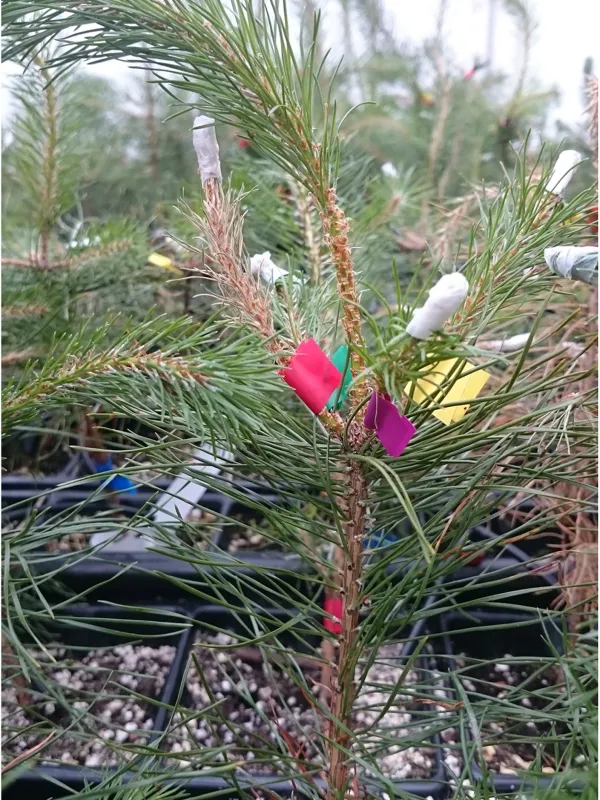
Infected seedlings often exhibit damping-off symptoms, where the base of the stem darkens, softens, and becomes constricted. This usually leads to the collapse of the plant shortly after emergence.
During humid conditions, a fine, grayish-white or brownish fungal growth may be visible on the surface of the lesions. This growth represents the reproductive stages of the fungus developing on the decaying plant material.
Severe infestations can lead to stunted growth, yellowing (chlorosis) of the leaves, and eventually, the total death of the affected plant. The root system may show signs of rot, appearing dark and brittle.
Since these symptoms can overlap with other soil-borne pathogens, professional diagnostic techniques are often needed to confirm that Preussia funiculata is the primary cause of the observed plant distress.
Pathogen
Preussia funiculata is a filamentous fungus belonging to the Ascomycota phylum and the Pleosporales order. It typically thrives as a saprotroph, decomposing organic matter, but can act as a pathogen under favorable conditions.
The pathogen reproduces via spores produced in cleistothecia. Its survival strategy in soil involves forming structures that allow it to withstand periods of environmental stress, making it a persistent inhabitant of agricultural soil.
Biologically, it possesses a wide array of extracellular enzymes that enable it to break down cellulose and other structural components of plants. This versatility allows it to colonize both healthy and stressed plant tissues.
The fungus is widely distributed and is often isolated from agricultural soils, decaying plant debris, and occasionally from seeds or fruits. Understanding its life cycle is crucial for effective field management.
While often considered an opportunistic pathogen, in dense or moist cultivation environments, Preussia funiculata can establish itself as a primary cause of tissue degradation, particularly in seedlings.
Conditions for development
The development of the fungus is highly dependent on environmental factors, with high humidity being the primary driver. It thrives in moist soils and areas with poor air circulation.
Optimal temperatures for the growth and spread of Preussia funiculata generally range between 20°C and 25°C. These conditions are common during wet spring periods, which can lead to significant seedling losses.
Poor field hygiene, such as leaving crop residues on the soil surface, allows the pathogen to overwinter successfully. Subsequent planting of susceptible crops in these fields increases the risk of infection.
Stress factors such as excessive rainfall, nutrient imbalances, or damage from other pests create pathways for the fungus to enter plant tissues. Stressed plants have a lower threshold for infection.
High planting densities reduce airflow around the plants, maintaining a moist microclimate in the foliage and soil surface that is highly favorable for the fungus to multiply and spread.
Why it matters
The main economic impact of Preussia funiculata is the reduction in crop stand density. Losses at the seedling stage necessitate costly replanting efforts and delay the growing cycle.
In mature crops, the infection can impair nutrient uptake and photosynthesis by damaging the root system and foliage, which leads to lower yields and reduced quality of the harvested product.
Secondary damage often includes the degradation of grain or fruit quality if the fungus colonizes the plant parts intended for storage or human consumption, potentially leading to spoilage during post-harvest storage.
The presence of the fungus in the soil complicates long-term agricultural planning, as it requires specific crop rotation cycles to suppress the inoculum load in the field.
Managing the disease often requires additional investment in chemical controls, which increases production costs and may impact the overall profitability of the agricultural operation.
Protection
Effective management begins with strict crop rotation. Avoiding monocultures or the repeated planting of susceptible hosts in the same field is the most sustainable way to lower infection rates.
Cultural practices should focus on field hygiene, specifically the deep incorporation of crop residues into the soil through tillage to accelerate decomposition and reduce the available inoculum for the next season.
- Treatment of seeds with appropriate fungicides before planting.
- Ensuring proper soil drainage to prevent water stagnation.
- Maintaining optimal spacing to improve airflow and reduce humidity around plants.
- Monitoring fields during the early growth stages for signs of distress.
- Applying systemic fungicides where environmental conditions favor disease outbreaks.
Maintaining a balanced nutrition program is essential. Proper levels of phosphorus and potassium can strengthen plant cell walls, making them more resilient against pathogen penetration.
Integration of biological control agents and resistant varieties, where available, can further support the chemical measures, providing a more robust strategy against this opportunistic fungal pathogen.
Discussion
No discussions yet — be the first.