
Porphyrellus
Porphyrellus
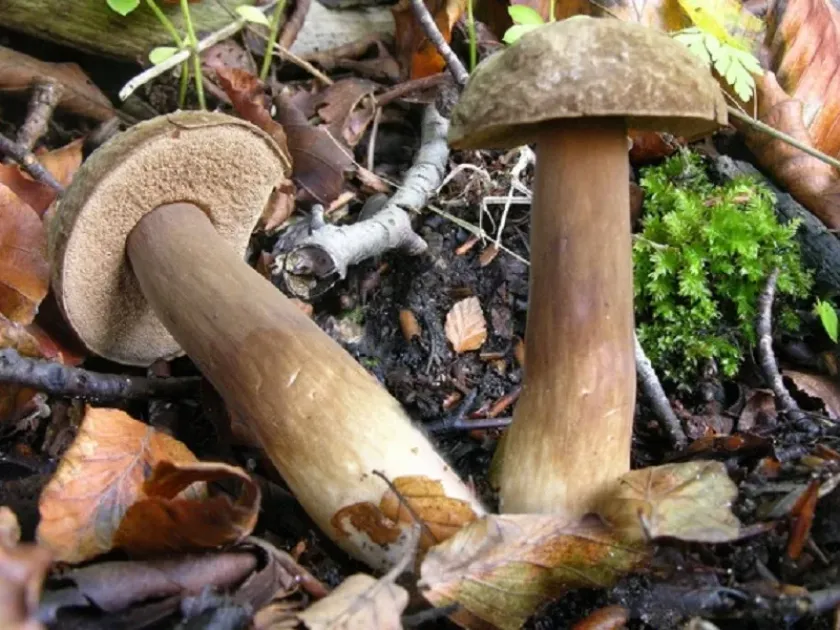
Description
Symptoms
The presence of these fungi is indicated by the appearance of fruiting bodies, typically occurring during the late summer and autumn seasons.
The cap often exhibits a velvety or finely tomentose texture, appearing in shades of brown, grey, or purplish-black.
Under the cap, the spore-bearing surface (hymenium) initially appears pale but darkens significantly as the fungus matures and produces spores.
The stem is generally stout and fibrous, sometimes featuring a subtle reticulation or small scales, which are characteristic features of the genus.
The flesh of the mushroom may show mild color changes upon cutting, although this reaction is less pronounced than in many other bolete species.
Pathogen
Porphyrellus is a genus of fungi belonging to the family Boletaceae. It is important to clarify that this genus is not a plant pathogen or a disease of cultivated plants.
The term "disease" is botanically inaccurate for this organism, as these fungi live in a mutualistic symbiotic relationship with various tree species.
Biological studies confirm that Porphyrellus species act as mycorrhizal partners, helping trees absorb water and nutrients from the soil.
This genus is characterized by its specific pore surface and spore print color, which differentiates it from other members of the Boletales order.
Therefore, Porphyrellus should be treated as a beneficial component of forest and garden ecosystems rather than an agricultural pest or pathogen.
Conditions for development
Growth conditions for these fungi are highly dependent on forest health, particularly the moisture levels within the forest floor litter.
Optimal development occurs in environments with high organic matter content, which supports the expansion of the fungal mycelium.
Temperature fluctuations play a significant role; a moderate, stable climate is necessary for the successful emergence of fruiting bodies.
The relationship with host trees is fundamental, as the fungus requires a specific root environment to establish and maintain its mycorrhizal network.
Excessive soil compaction or the use of harsh synthetic soil treatments can inhibit the natural activity of these beneficial fungal populations.
Why it matters
Porphyrellus species cause no damage to agricultural crops, ornamental plants, or forestry resources, as they do not attack living plant tissues.
On the contrary, their presence is often a sign of a healthy, biologically active soil environment that supports vigorous plant growth.
They do not produce toxins that affect plant health and are not linked to any common necrotic or wilting diseases observed in gardens.
The organism is entirely non-invasive and does not compete with plants for resources in a way that would cause economic loss.
As such, there is no threat to productivity, yield quality, or the overall structural integrity of any vegetation within the reach of the mycelium.
Protection
No control measures are necessary for Porphyrellus, as it does not constitute a threat to agricultural or horticultural interests.
The application of fungicides or other chemical interventions is strictly discouraged, as it would destroy beneficial biodiversity in the soil.
If mushroom clusters are considered aesthetically undesirable in a managed landscape, they can be manually removed without further action.
Maintaining a balanced soil ecosystem with proper irrigation and organic nutrient management is sufficient for keeping the area healthy.
In summary, these fungi are natural companions of trees and do not require any specific management or protective strategies.
Discussion
No discussions yet — be the first.