
Poronia
Poronia
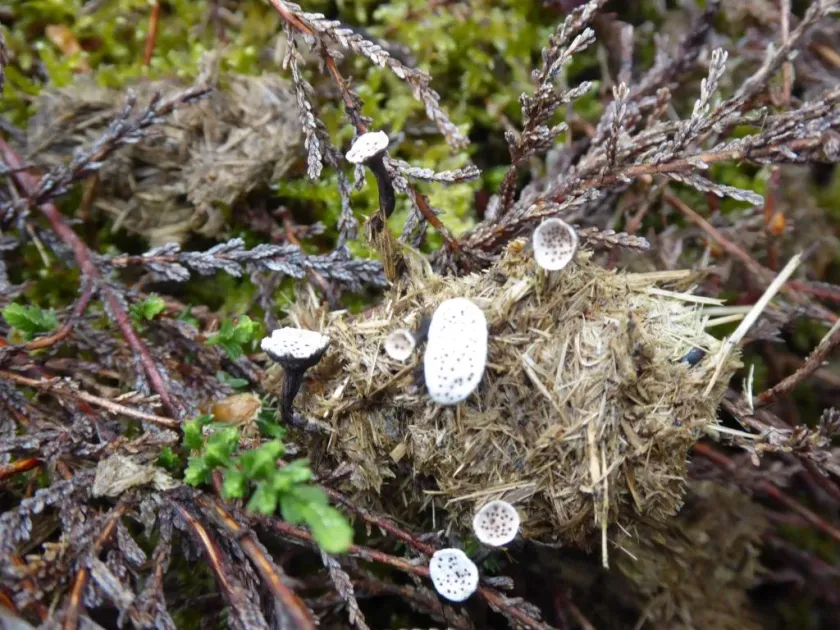
Description
Pathogen
The genus Poronia represents a group of ascomycetes primarily known for their saprotrophic lifestyle. These fungi inhabit various organic substrates, playing a significant role in the natural decomposition processes within agro-ecosystems.
Poronia punctata is the most notable species, characterized by its distinct, disc-like fruit bodies (stromata) that emerge from the substrate. While they do not act as primary pathogens for living plants, their presence indicates specific environmental conditions.
The mycelium of this fungus is highly adept at breaking down complex organic molecules. This enzymatic activity allows it to colonize manure, dead plant tissue, and soil organic matter efficiently, often competing with other microflora.
Reproduction is facilitated by the production of ascospores, which are easily dispersed by wind and environmental vectors. This ensures the survival and spread of the fungus across suitable habitats during the growing season.
Understanding the biology of Poronia is essential for farmers and agronomists managing grasslands. Although not a destructive crop pathogen, its mass development serves as a bio-indicator for the ecological health of pasture lands.
Conditions for development
The development of Poronia fungi is highly dependent on humidity levels and substrate availability. Periods of high precipitation and moderate temperatures are the most critical factors for triggering their growth cycle.
The presence of animal manure or accumulated organic plant debris is the primary requirement for colonization. Without these nutritional sources, the population density of the fungus remains low and ecologically insignificant.
Optimal growth occurs between 15°C and 22°C in moist soil conditions. During these periods, the fungus rapidly forms its visible stromata, which release spores into the surrounding environment, facilitating rapid expansion.
Agricultural practices such as intensive grazing can inadvertently promote fungal development. Overstocking and poor waste management create thick layers of organic material that act as perfect hosts for the Poronia mycelium.
Monitoring climate patterns is a key aspect of managing pasture hygiene. Preventing water stagnation and ensuring proper field drainage can significantly reduce the risk of massive fungal colonization in forage areas.
Why it matters
The primary concern regarding Poronia in agriculture is its impact on pasture quality and the safety of livestock feed. While it does not kill healthy plants, it degrades the organic quality of the forage area.
Affected forage crops may suffer from reduced nutritional value and contamination. Livestock grazing in heavily colonized areas may be exposed to fungal spores, which could potentially cause digestive issues or respiratory distress.
The presence of the fungus often suggests a degradation of soil and grass health. This competitive growth can suppress beneficial soil microorganisms, affecting the long-term productivity and carbon cycling of the soil.
Economic losses are often associated with the need to sanitize grazing plots and the temporary abandonment of sections of land. These maintenance efforts require additional labor and resources to restore the land's utility.
Furthermore, the degraded state of the pasture can lead to the proliferation of weeds, as the weakened grass struggle to maintain its dominance. This results in a long-term reduction of hay yields and pasture efficiency.
Protection
Effective management begins with proper pasture rotation, which prevents the build-up of manure and organic debris. Regular movement of livestock is essential for maintaining the health and hygiene of the grazing area.
Mechanical operations, such as harrowing and regular mowing, are vital for breaking up surface organic matter and improving soil aeration. These practices disrupt the fungus's habitat and inhibit its growth.
Biological control methods, including the application of beneficial fungi like Trichoderma, can effectively suppress the colonization of Poronia. These antagonists outcompete the fungus for resources in the soil.
Soil pH management through liming can help create an environment less favorable for fungal expansion. Ensuring optimal nutrient balance supports vigorous grass growth, naturally suppressing opportunistic colonization.
Regular sanitary monitoring is necessary to identify early stages of colonization. By addressing the buildup of organic matter immediately, farmers can prevent the fungus from reaching problematic levels on their land.
Discussion
No discussions yet — be the first.