
Polyblastia fuscoargillacea
Polyblastia fuscoargillacea
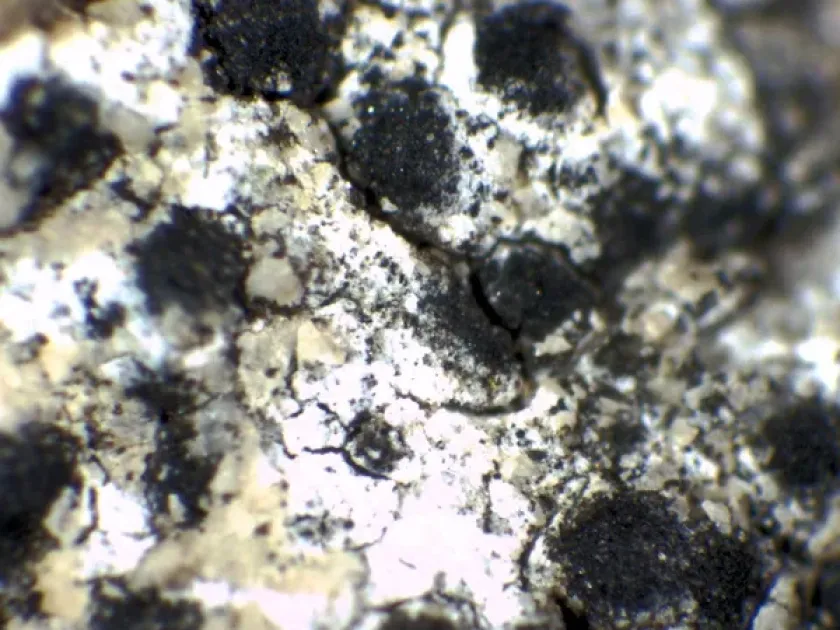
Description
Symptoms
The primary symptom is the appearance of grayish-clay-colored patches on the bark of trunks and scaffold branches, which can often be mistaken for simple dirt.
Unlike mosses, Polyblastia fuscoargillacea forms a very dense and adherent layer. It is difficult to peel off without damaging the outer layers of the bark.
The lichen's growth pattern is characterized by a grainy or matte finish, which may become more vivid and distinct during periods of high humidity or rainfall.
As the colony expands, these patches can merge to cover significant parts of the tree, giving the bark a weathered and neglected aesthetic appearance.
Observing these patches closely, one can see that they are an integrated part of the bark's surface, creating a protective layer that hides the bark's true texture.
Pathogen
Polyblastia fuscoargillacea is a species of lichen belonging to the Verrucariaceae family. It is an epiphytic organism that utilizes the bark of trees primarily as a substrate for its growth rather than as a source of nutrients.
The lichen forms a crustose thallus, which appears as a grayish-clay-colored coating on the bark. It maintains a symbiotic relationship with algae to perform photosynthesis.
While often categorized alongside plant diseases in agricultural guides, it does not function as a pathogen that infects or kills living plant cells directly.
Its spread is facilitated by spores that are carried by wind or water, settling on tree surfaces where moisture and environmental conditions are favorable for germination.
In forestry and arboriculture, its presence is often interpreted as a marker of the tree's physiological status and the cleanliness of the surrounding environment.
Conditions for development
The development of this lichen is heavily dependent on microclimate conditions, specifically preferring areas with high humidity and limited direct sunlight.
Thickly planted orchards with poor air circulation provide the perfect environment for the colonization of this organism on tree trunks.
Trees with rough, slow-growing bark are particularly susceptible, as the bark surface provides ample anchor points for the fungal spores to settle.
Low-maintenance orchards, where pruning and bark cleaning are neglected, allow the lichen to thrive and expand throughout the season.
Proximity to bodies of water or low-lying areas with poor drainage often results in higher incidences of lichen growth due to persistent moisture levels.
Why it matters
Although it does not feed on the tree, the lichen acts as a physical barrier that restricts gas exchange through the bark's lenticels, potentially impacting the tree's health.
A major concern is that the dense thallus provides a harbor for various overwintering pests, including scale insects, mites, and other harmful invertebrates.
The presence of a thick layer of lichen can impede the efficacy of chemical spray treatments, as the chemical is absorbed by the lichen instead of reaching the bark or target pests.
High levels of lichen coverage are indicative of a lack of vigor, as vigorous, fast-growing trees are usually better at shedding or preventing the buildup of epiphytes.
While the lichen is not fatal, the conditions that promote its growth (such as high humidity and poor light) are also favorable for true fungal and bacterial diseases.
Protection
Mechanical cleaning is the most direct approach; during the dormant season, trunks should be scrubbed with a wire brush to remove the lichen without harming the living cambium.
Applying a lime wash (whitewash) with the addition of copper sulfate creates an environment unsuitable for lichen survival and helps disinfect the bark surface.
Good orchard management, including consistent pruning to open the canopy, improves airflow and light penetration, effectively inhibiting lichen colonization.
Spraying trees with iron sulfate during the dormant period is an effective chemical method to kill off existing lichen populations and prevent further spread.
- Mechanical bark cleaning
- Proper crown pruning
- Whitewashing with copper sulfate
- Iron sulfate sprays during dormancy
Discussion
No discussions yet — be the first.