
Powdery mildew of roses
Podosphaera pannosa
Description
Symptoms
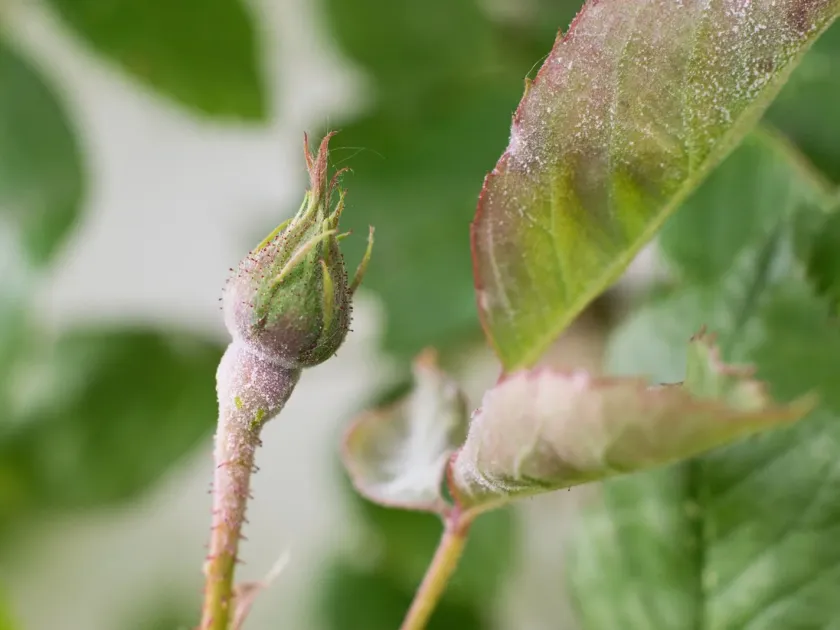
The earliest symptom is the appearance of white, dusty spots on leaves, stems, and flower buds. These spots expand rapidly, eventually covering the entire surface of the affected plant parts.
Infected leaves often curl, become distorted, and exhibit chlorosis. Over time, the fungal growth can lead to the necrosis of underlying tissues, appearing as brownish or greyish lesions.
Buds are highly sensitive to the infection. If attacked early, they may fail to open, or if they do, the blooms appear stunted and deformed, significantly reducing the visual appeal of the plant.
Stems can become brittle and stunted in growth. In severe cases, the white mycelial mat thickens and turns into a felt-like layer, sometimes displaying black reproductive structures.
The powdery coating is generally superficial, but the internal damage to the plant's metabolic processes is significant, leading to a general decline in the plant's vigor.
Pathogen
The disease is caused by the fungus Podosphaera pannosa, an obligate parasite. This fungus feeds directly from the host plant's tissues, disrupting their normal physiological functions.
The mycelium grows primarily on the surface of the plant, forming a visible white powdery coating. Within this coating, the pathogen produces vast quantities of conidia, which are easily disseminated by wind and rain.
The fungus overwinters as dormant mycelium within infected buds or as cleistothecia on fallen plant debris. When favorable conditions return in spring, it quickly reinfects new shoots.
While this fungus is highly specialized, it primarily attacks members of the Rosaceae family. Roses are particularly susceptible, making this one of the most common rose diseases worldwide.
The biological cycle of the fungus is highly dependent on environmental humidity and temperature, allowing it to complete multiple life cycles during a single growing season.
Conditions for development
The disease thrives in environments with high daytime temperatures and cool nights, accompanied by humidity levels between 60% and 80%. Poor air circulation is the main driver of outbreaks.
Dense planting schemes that prevent airflow through the foliage trap moisture, creating the ideal microclimate for Podosphaera pannosa spores to germinate and colonize the plant.
Excessive nitrogen fertilization promotes the growth of soft, lush, and succulent tissue, which is much more vulnerable to fungal penetration than tougher, well-balanced growth.
Inconsistent watering patterns or overhead irrigation during warm, humid weather can trigger rapid spread. Conversely, drought stress weakens the plant’s natural defenses against the pathogen.
Greenhouse environments are particularly prone to severe infestations due to stagnant air and stable temperatures that allow the disease to spread unchecked among closely packed plants.
Why it matters
The primary harm is the reduction of photosynthetic capacity, as the white coating blocks sunlight from reaching the leaf surface. This depletes the plant's energy reserves.
The aesthetic damage is severe, making the roses unsuitable for cut flowers or landscape use. The entire plant may appear unsightly, with curled, yellowing, and necrotic foliage.
Severe infestations cause premature leaf drop, preventing the plant from preparing for winter dormancy. This makes roses significantly more susceptible to frost damage and winter kill.
Continuous infection weakens the plant's overall vitality, making it prone to opportunistic pests and secondary infections that further compromise its survival.
For commercial rose growers, the disease results in heavy economic losses due to the need for frequent pesticide applications and the loss of marketable, high-quality blooms.
Protection
Prevention starts with selecting disease-resistant rose cultivars. Proper garden design, ensuring sufficient space between plants, is crucial for adequate air circulation.
Sanitation practices involve regular pruning to remove infected stems and the careful removal of all fallen leaves to reduce the primary inoculum for the next season.
Balanced fertilization is key; avoid over-application of nitrogen. Providing sufficient potassium and phosphorus helps strengthen the cell walls, making them more resistant to the fungus.
Chemical control should be implemented early. Systemic fungicides are effective if applied at the first sight of symptoms to stop the mycelium from establishing itself on new growth.
It is recommended to rotate fungicides with different modes of action to prevent the fungus from developing resistance to common chemical treatments.
Discussion
No discussions yet — be the first.