
Podoscyphaceae
Podoscyphaceae
Description
Symptoms
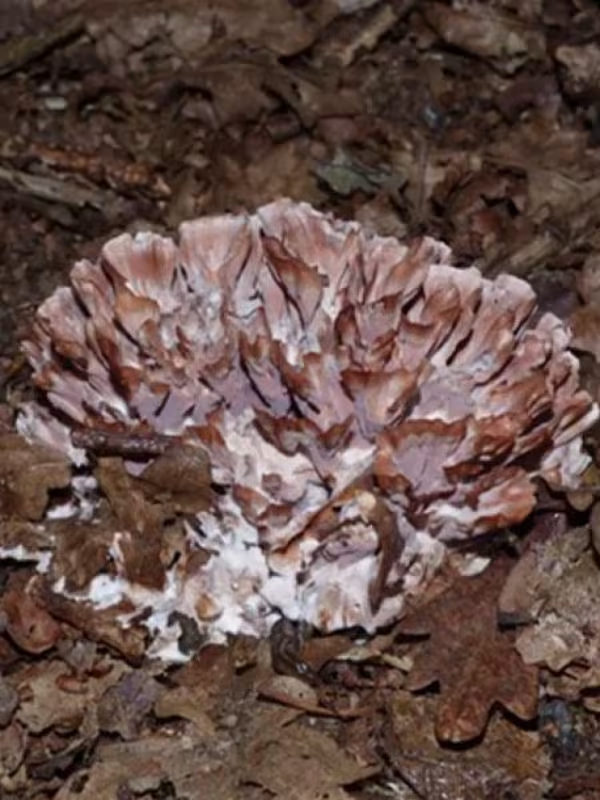
The most visible symptoms include the appearance of characteristic fruiting bodies on the trunk or branches. These structures often look like small, tough, fan-shaped brackets or funnel-like growths.
An internal indicator is the presence of white rot, where the wood loses its texture and becomes soft and fibrous. This degradation is a direct result of the fungal enzymes attacking the cellular walls.
External tree health declines noticeably as foliage becomes sparse and yellowed. This happens because the fungal colonization impairs the tree's vascular system, hindering the transport of water and nutrients.
Cracks, bark peeling, and visible lesions are common sights on heavily infected trees. Often, a network of fungal mycelium is found hidden beneath the peeling bark layers.
Advanced stages of the infection lead to crown dieback, which is a critical sign that the tree is experiencing systemic failure and mechanical instability.
Pathogen
The Podoscyphaceae family consists of basidiomycete fungi that act as serious pathogens for woody plants. These organisms are specialized in decomposing complex organic polymers like lignin, which provides the structural rigidity of wood.
These fungi typically behave as necrotrophic parasites. Once they establish a foothold in a host plant, they slowly consume the living and dead tissues of the tree, leading to internal decay.
The life cycle involves the production of distinct, often leathery or funnel-shaped fruiting bodies. These reproductive structures release spores that are easily disseminated by air currents, rain, or human activities.
Once settled in a vulnerable spot, the spores germinate and form mycelia. These fungal threads penetrate the xylem and bark, gradually expanding throughout the inner structure of the tree.
Their evolutionary success is attributed to their ability to survive in diverse climates, making them resilient agents of decay in both managed forests and decorative orchards.
Conditions for development
High humidity and moisture are primary drivers for the growth of Podoscyphaceae. These fungi thrive in shaded, poorly ventilated environments where moisture remains on the bark for extended periods.
Mechanical damage to the bark is the primary entry point for infection. Sunscald, frost cracks, or improper pruning cuts create open wounds that allow spores to enter the inner tissues easily.
The pathogen prefers moderate temperatures, although it exhibits significant tolerance to temperature fluctuations. This adaptability allows it to persist throughout the growing season.
Poor orchard management, such as dense planting, prevents air circulation. This lack of airflow keeps the environment humid, providing the perfect conditions for the proliferation of the fungal spores.
Trees already suffering from nutritional deficits or physiological stress (e.g., drought) are far more susceptible to successful colonization by Podoscyphaceae fungi.
Why it matters
The primary harm caused by these fungi is the irreversible loss of structural integrity of the wood. This makes trees prone to snapping, which poses significant safety risks in gardens and landscapes.
In agriculture, the loss of wood density leads to declining yield and the eventual death of the tree. This necessitates removal and disposal, which is costly and labor-intensive.
The infection acts as a source of inoculum for surrounding trees, creating a risk of mass infestation within a specific area if not managed properly.
Reduced physiological health makes the affected tree a magnet for secondary pests, such as wood-boring insects, which further accelerates the tree's collapse.
Root system damage caused by these fungi can permanently impair nutrient uptake, leading to a slow and unavoidable decline in the tree's health.
Protection
Effective control relies on rigorous preventive practices. Keeping trees healthy and minimizing wounds are the first lines of defense against any fungal attack.
Sanitation is paramount; any wood showing signs of fungal growth should be immediately pruned and removed. Destroying infected material by burning helps reduce the local spore load.
All pruning wounds should be treated with appropriate sealants to prevent the entry of pathogens. Ensuring tools are cleaned and sterilized between uses prevents cross-contamination.
Improving the orchard environment—through proper tree spacing and regular pruning—enhances airflow, which effectively limits the moisture levels required by the fungi to germinate.
- Sterilize pruning tools using alcohol or bleach solutions.
- Monitor trees regularly for early signs of decay or fruiting bodies.
- Apply fungicide treatments to large wounds during the dormant season.
- Support tree vigor with balanced fertilization and adequate hydration.
Discussion
No discussions yet — be the first.