
Plicaturopsis
Plicaturopsis
Description
Symptoms
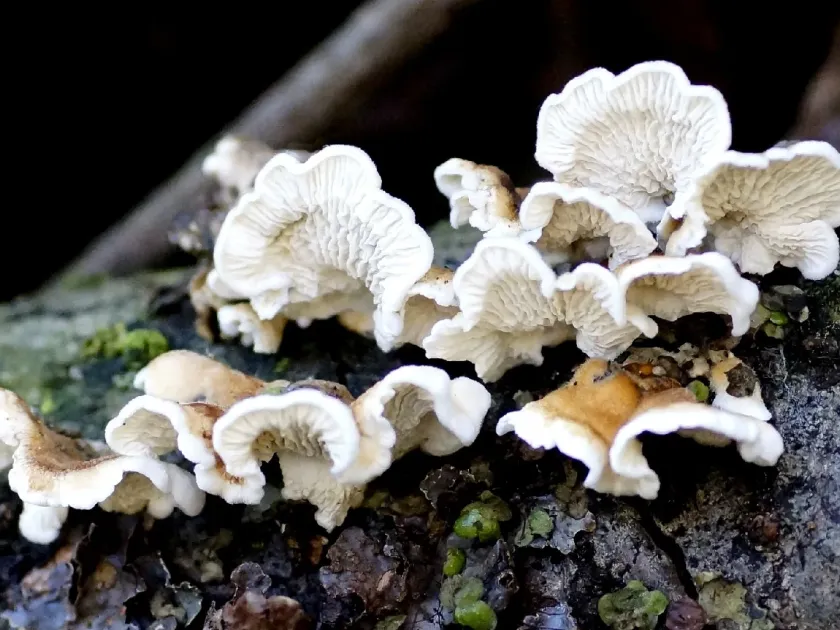
The most distinct sign of Plicaturopsis infection is the presence of shelf-like, fan-shaped fruiting bodies on the surface of the bark. These bodies feature a characteristic wrinkled or plicate hymenophore on the underside.
Infected wood tissue appears pale, bleached, and soft. Upon reaching advanced stages, the internal structure becomes fibrous and brittle, which is a hallmark of white rot fungi destroying the lignin component.
Leaves on infected branches often show symptoms of early chlorosis or wilting due to the disruption of water and nutrient transport caused by the rotting heartwood.
External bark may show longitudinal cracking or depressions at the sites where the fungus is active. In some cases, localized oozing or sap bleeding can be observed during the early stages of infestation.
Visual detection of the fungus is most accurate during autumn or humid periods when the fruiting bodies are fully developed and visible on the stems or main branches of the host.
Pathogen
Plicaturopsis is a genus of fungi within the Marasmiaceae family, recognized by plant pathologists as an agent of white rot in woody plants. The most common species is Plicaturopsis crispa.
The fungus is a basidiomycete that infiltrates the host's internal structure. It secretes specialized enzymes capable of decomposing lignin and cellulose, which are the fundamental structural components of wood.
While primarily a saprotroph that feeds on decaying wood, it frequently opportunistically colonizes stressed or physically damaged live trees, causing significant internal degradation.
The fungal mycelium spreads throughout the vascular system and heartwood of the tree. This process slowly drains the tree of its structural strength, making it vulnerable to environmental stress.
Biologically, the fungus is highly adapted to temperate forest environments. It produces tough, persistent basidiocarps that release millions of spores, ensuring its spread through wind and precipitation.
Conditions for development
Plicaturopsis thrives in environments with high humidity and moderate temperatures. It is particularly active in dense forest stands or poorly ventilated gardens where moisture levels remain consistently high.
Mechanical wounds are the primary entry points for the fungus. Bark damaged by pruning tools, weather, or animal activity provides a direct path into the susceptible inner wood.
Trees experiencing physiological stress, such as drought, nutrient deficiency, or overcrowding, are significantly more susceptible to infection compared to vigorous, well-maintained trees.
The spread of fungal spores is favored by rainy weather and air currents. Once a single tree becomes a host, it serves as a central source of inoculum for surrounding vegetation.
Temperature fluctuations and frost damage can further compromise the tree's defense mechanisms, making it easier for the Plicaturopsis mycelium to establish a deep foothold in the trunk.
Why it matters
The structural damage caused by this fungus can lead to catastrophic failure. Rotting heartwood compromises the mechanical stability of the tree, creating a high risk of branch breakages or complete windthrow.
For timber production, infection leads to a severe loss of wood quality. The decomposition of fibers renders the logs unsuitable for construction or high-grade woodworking purposes.
The infection is often systemic and difficult to stop once the mycelium has reached the center of the trunk. This results in the progressive decline and inevitable death of the affected plant.
In urban and landscape settings, infected trees become significant safety hazards. The risk of falling limbs necessitates expensive removal procedures to protect people and property.
Overall, the presence of the fungus reduces the ecological and economic value of the woodlot, requiring active management to prevent the spread of the disease to adjacent trees.
Protection
Effective management begins with strict sanitation practices. All infected wood, dead branches, and debris must be removed and disposed of properly to limit the volume of spores in the area.
Proactive care involves protecting the tree from injuries. Applying wound paint or antiseptic sealants to pruning cuts and accidental damage is critical to preventing infection entry.
- Regular pruning of dead or diseased branches.
- Proper disposal of woody debris to reduce inoculum.
- Enhancing tree health through fertilization and watering.
- Applying protective coatings to significant trunk wounds.
Chemical control is rarely effective for internal wood rot; therefore, the focus must be on maintaining a strong tree immune system and removing severely affected trees before they spread spores.
In cases of severe infestation, complete tree removal is recommended. It is important to also treat the soil and potentially remove the stump to prevent the fungus from persisting in the root zone.
Discussion
No discussions yet — be the first.