
Plicaria
Plicaria
Description
Pathogen
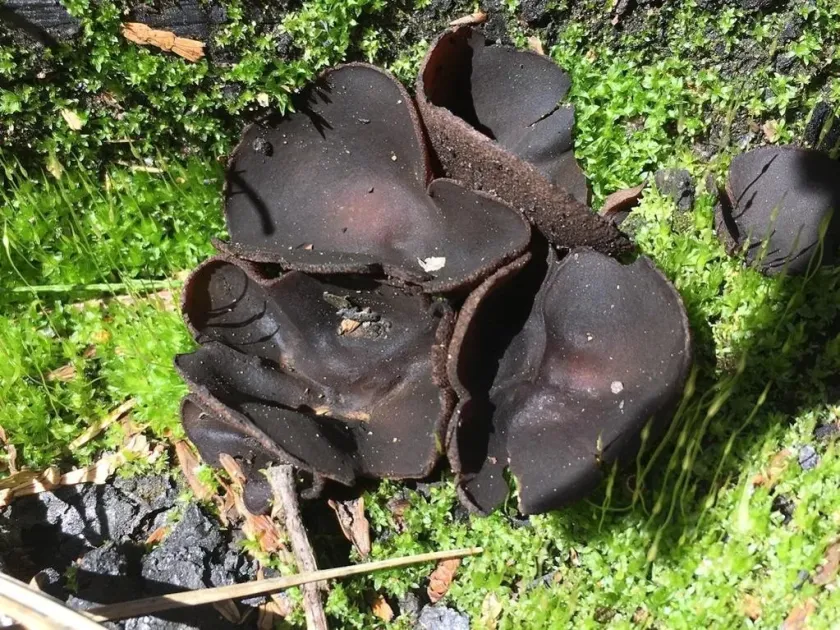
Plicaria is a genus of fungi within the Pezizaceae family. These are generally saprotrophic ascomycetes that live in soil and organic matter. While they are not primary pathogens, they often colonize moist soils and can negatively impact the development of young crops.
The fungus propagates primarily through spores housed within cup-shaped fruiting bodies known as apothecia. These structures release spores that disperse easily throughout a growing environment via air currents or water splashing.
Plicaria organisms break down organic matter in the soil. Their presence is often a sign of high organic content coupled with improper soil aeration, providing a nutrient-rich environment for the mycelium to spread rapidly.
Under specific conditions, the fungal mat can become quite dense. This accumulation on the surface of the soil can interfere with essential biological processes and potentially harm the root zone of delicate seedlings.
Unlike some highly specialized plant parasites, Plicaria thrives on opportunistic colonization. It is frequently associated with forest litter or greenhouse potting mixes that lack a balanced microbial community.
Conditions for development
The development of Plicaria is strongly correlated with high moisture levels. Poorly drained soil or constantly wet surfaces in greenhouses provide the necessary moisture for spores to germinate and for the mycelium to establish itself.
Temperature is a key factor, with an optimal range between 15°C and 25°C. In these conditions, the fungus can complete its reproductive cycle and develop visible fruiting bodies in a matter of a few days.
The presence of uncomposted or raw organic materials, such as fresh wood chips or manure, acts as a primary catalyst for the growth of this fungus. These materials provide the necessary energy for the fungus to expand its colony.
Stagnant air within greenhouses often leads to prolonged humidity on the surface of the growing medium, which is highly conducive to the formation of Plicaria apothecia.
The pH level of the substrate also influences development, as many Plicaria species prefer neutral or slightly acidic environments. Adjusting the soil chemistry is sometimes used to discourage fungal colonization.
Why it matters
The primary concern regarding Plicaria is its impact on seedling health. By forming a crust on the soil surface, the fungus can impede air exchange and water absorption, leading to weakened plant growth and seedling damping-off.
As the fungus degrades organic matter, it may produce metabolites that are toxic to developing roots. This often manifests as stunted growth, chlorosis, or the sudden wilting of young plant tissue.
In a commercial nursery setting, the presence of these fungi creates significant cosmetic damage. This reduces the marketability of nursery stock, as the appearance of cup-shaped fungi is perceived as an indicator of poor hygiene.
Plicaria can outcompete beneficial soil microbes, creating a biological imbalance that leaves crops more susceptible to true pathogens like Pythium or Rhizoctonia, which are far more destructive to mature plants.
The long-term harm involves the exhaustion of soil nutrients and the need for frequent replacement of growing media, which significantly increases the operational costs for professional greenhouse growers.
Protection
The most effective management strategy is to optimize the irrigation regime. Allowing the surface of the growing medium to dry out slightly between waterings is usually enough to stop the growth of the fungus.
Sanitation is paramount; using pasteurized or sterile soil mixes eliminates the risk of introducing fungal spores. Ensuring that all tools and containers are disinfected helps maintain a clean growing environment.
Biological control using beneficial fungi such as Trichoderma species can help displace Plicaria. These beneficial microbes compete for resources and space, naturally reducing the presence of the pathogen.
Regular cultivation or stirring of the soil surface promotes evaporation and disrupts the developing mycelial mats. This simple mechanical measure is highly effective in greenhouse environments.
- Improve ventilation to reduce surface humidity.
- Use mineral-based mulch to avoid organic contact with soil.
- Promptly remove and dispose of any visible fruiting bodies.
- Maintain a balanced nutrient and pH level in the soil.
Discussion
No discussions yet — be the first.