
Pleurosigma
Pleurosigmataceae
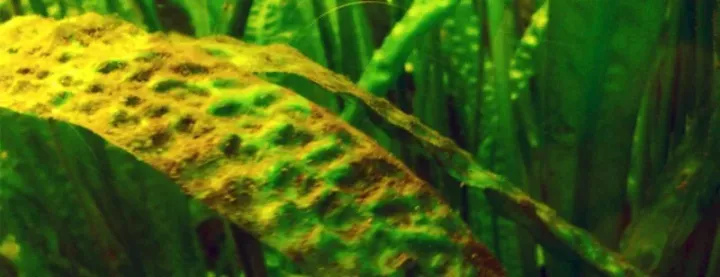
Description
Pathogen
Pleurosigma (Pleurosigmataceae) is a family of diatomaceous algae that can become problematic in aquatic agricultural environments.
The organism is a microscopic single-celled entity characterized by a distinctive S-shaped frustule (siliceous shell).
These organisms are photosynthetic autotrophs that rely on dissolved silica in the water to construct their cell walls.
While not a classical pathogen of terrestrial crops, they interfere with aquatic agricultural systems such as hydroponics and aquaculture.
Their ability to move across surfaces allows them to colonize submerged plant roots and infrastructure efficiently.
Conditions for development
Growth is strongly correlated with the availability of dissolved silicate in the water, which acts as a primary building block for their population.
Temperatures ranging from 15 to 25 degrees Celsius are optimal for the rapid vegetative reproduction of these diatoms.
High intensity of light, whether natural or artificial, is critical for their photosynthetic survival and rapid biomass accumulation.
Stagnant water conditions without adequate aeration promote the formation of biofilms composed of these algae.
Excessive nutrient runoff, particularly in hydroponic setups, can trigger massive blooms of these diatoms within the water system.
Why it matters
The primary damage is caused by the formation of dense biofilms on plant roots, which restricts oxygen uptake and nutrient absorption.
Algal growth clogs filtration units, pumps, and irrigation pipes, leading to significant maintenance issues and potential system failures.
Their presence reduces water quality, potentially creating an environment conducive to the growth of secondary bacterial pathogens.
In aquaculture, excessive blooms can alter the dissolved oxygen levels, stressing the target species and reducing overall productivity.
Physical contamination of equipment surfaces creates a difficult-to-remove layer that necessitates harsh cleaning procedures.
Protection
UV water sterilization is highly recommended for controlling diatom populations without introducing chemical contaminants into the water.
Regular maintenance, including mechanical brushing and power washing of surfaces, is necessary to keep biofilm levels under control.
Specific algaecides can be used if legal and safety regulations allow, but careful dosage is essential to avoid harming the crops.
Controlling light exposure by shielding reservoirs and piping is a very effective preventative strategy for limiting growth.
- Shading of water tanks to prevent light penetration.
- Routine flushing of hydroponic lines to remove debris.
- Monitoring silica levels in the irrigation water supply.
Discussion
No discussions yet — be the first.